Dental Resorptive Lesions in Cats: A Common but Painful Condition
Written by MyCern Research & Editorial Team
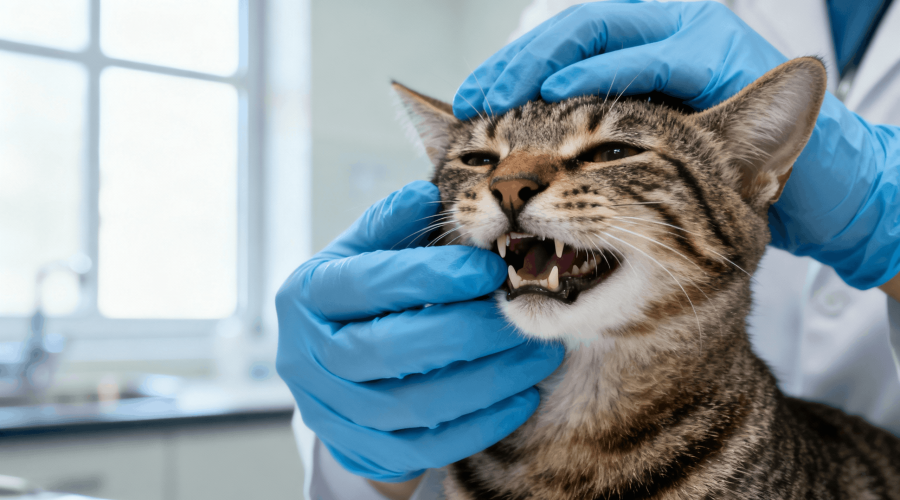
Dental resorptive lesions are one of the most prevalent oral health conditions affecting cats, yet they often go undetected until pain is advanced. Unlike plaque-related dental disease seen in many species, resorptive lesions arise from internal tooth structure breakdown, making them particularly difficult for owners to recognize.
Because cats instinctively hide discomfort, these lesions may progress silently while significantly affecting eating behavior, mood, and overall quality of life. Understanding how and why resorptive lesions develop is essential for early recognition and appropriate management.
This article explores:
- What dental resorptive lesions are and how they differ from gum disease
- Why cats are uniquely affected by this condition
- How lesions develop beneath the gumline
- Subtle signs that may indicate oral pain
- Long-term considerations for feline dental health
What Are Dental Resorptive Lesions?
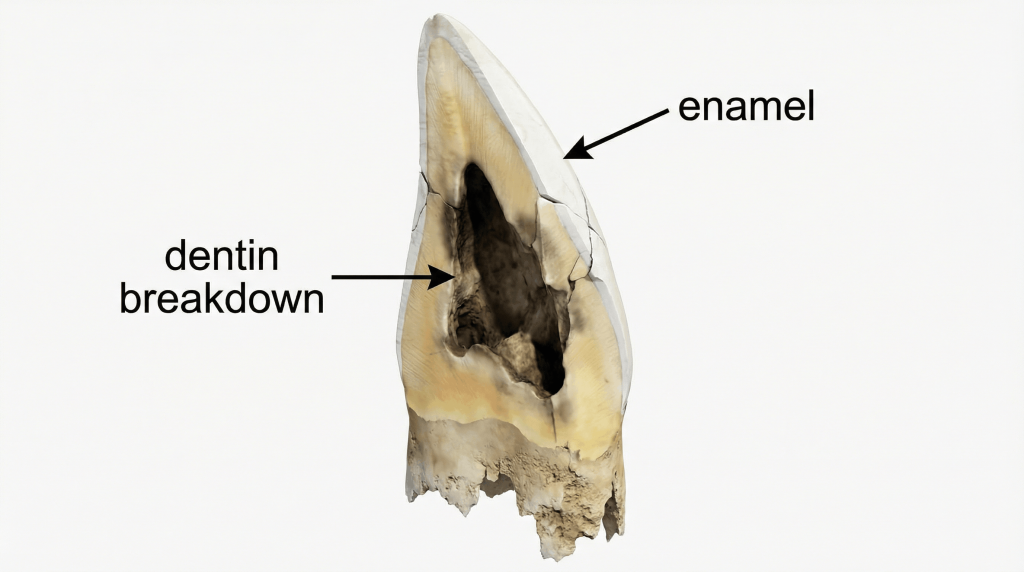
Dental resorptive lesions involve the progressive destruction of tooth structure, beginning at the cementum or dentin and advancing toward the crown. Over time, affected teeth weaken, fracture, or are gradually resorbed by the body.
These lesions are not caused by bacteria alone. Instead, they result from abnormal activity of cells responsible for bone and tooth remodeling, leading to localized tooth loss.
Why Cats Are Especially Prone
Cats experience resorptive lesions far more frequently than dogs or humans. While the exact cause remains unclear, several contributing factors are suspected, including altered calcium regulation, chronic inflammation, and mechanical stress on teeth.
Once resorption begins, it tends to progress, affecting multiple teeth over time.
Lesions Often Begin Below the Gumline
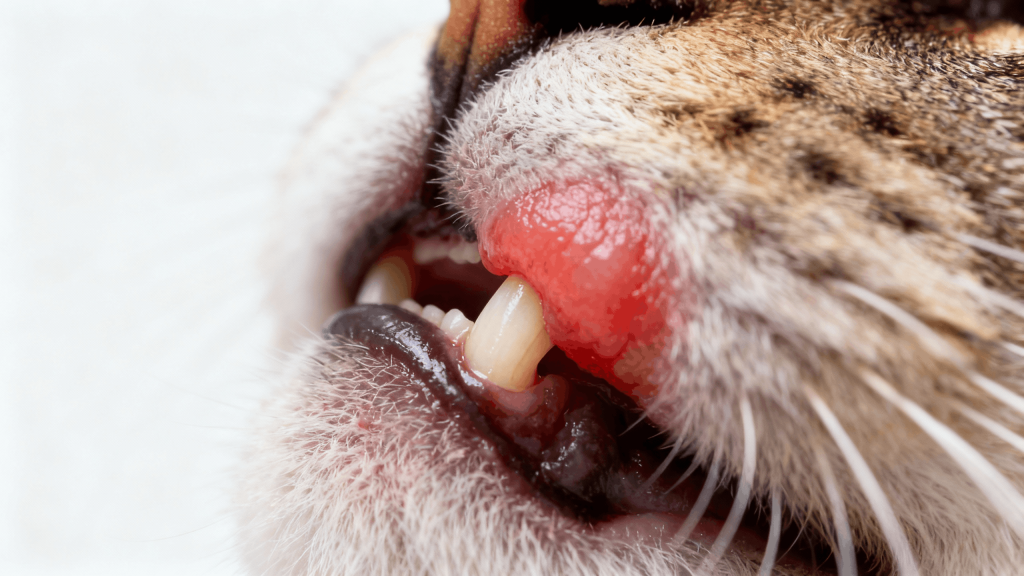
One of the challenges in detecting resorptive lesions is their hidden origin. Early damage often occurs below the gumline, where it is not visible during routine visual checks.
As the lesion advances, the gum tissue may recede or grow over damaged areas, masking pain while the tooth structure deteriorates underneath.
Why These Lesions Are So Painful
When resorption reaches dentin or pulp tissue, nerve endings become exposed. This can cause significant discomfort, especially when eating or when temperature changes occur in the mouth.
Cats may adapt their eating behavior to minimize pain, making the condition difficult to spot without close observation.
Subtle Signs of Dental Pain in Cats
Cats rarely vocalize dental pain. Instead, they may show behavioral changes that are easy to miss, such as:
- Chewing on one side of the mouth
- Dropping food while eating
- Preference for softer foods
- Reduced grooming or irritability
- Decreased appetite without obvious illness
These signs often appear gradually as lesions worsen.
Diagnosis and Assessment
Definitive diagnosis of dental resorptive lesions typically requires dental radiography, as surface examination alone may underestimate severity. Imaging reveals the extent of internal tooth damage and helps guide appropriate management decisions.
Because multiple teeth may be affected at different stages, comprehensive evaluation is important.
Long-Term Oral Health Considerations
Once a tooth develops a resorptive lesion, the process cannot be reversed. Management focuses on removing the source of pain and monitoring remaining teeth for future lesions.
Ongoing dental assessments help identify new lesions early and support overall comfort.
When Veterinary Evaluation Is Essential
Any changes in eating behavior, oral sensitivity, or unexplained irritability should prompt veterinary examination. Early evaluation reduces prolonged discomfort and prevents secondary complications associated with chronic oral pain.

Conclusion
Dental resorptive lesions are a cat-specific and often painful condition that frequently goes unnoticed until advanced stages. Understanding their hidden nature and recognizing subtle behavioral cues empowers cat owners to seek timely dental evaluation. With appropriate monitoring and care, affected cats can maintain comfort and quality of life despite this common dental disorder.
References
- Reiter, A. M., & Soltero-Rivera, M. M. (2017). Feline odontoclastic resorptive lesions: Pathogenesis and diagnosis. Journal of Veterinary Dentistry, 34(1), 11–17.
- Lyon, K. F. (2005). Tooth resorption in cats. Veterinary Clinics of North America: Small Animal Practice, 35(4), 913–922.
- Girard, N., et al. (2008). Prevalence of feline tooth resorption in a population of domestic cats. Journal of Veterinary Dentistry, 25(3), 142–147.
- Ingham, K. E., et al. (2001). Histological features of feline odontoclastic resorptive lesions. Journal of Veterinary Dentistry, 18(2), 62–69.
- Harvey, C. E. (2005). Management of feline dental disease. Veterinary Clinics of North America: Small Animal Practice, 35(4), 927–947.