Inflammatory Bowel Disease in Cats: Understanding Chronic Vomiting and Diarrhea
Written by MyCern Research & Editorial Team
Occasional vomiting is often dismissed as a normal part of life with cats, frequently attributed to hairballs or fast eating. However, when vomiting or diarrhea becomes recurrent, it may indicate a deeper issue within the digestive tract. Inflammatory Bowel Disease (IBD) in cats reflects chronic inflammation of the intestinal lining, altering how nutrients are absorbed and how the gut communicates with the immune system.
Because early signs can appear mild and intermittent, feline IBD is often overlooked until inflammation becomes persistent. Understanding how IBD differs from normal grooming-related issues helps owners recognize when digestive symptoms deserve closer attention.
This article explores:
- What feline IBD is and how it affects the gut
- Why chronic vomiting is not always due to hairballs
- The role of immune dysregulation in intestinal inflammation
- How IBD alters digestion and stool quality
- Key considerations for long-term gastrointestinal support
The Normal Feline Digestive Process
A healthy feline digestive tract efficiently breaks down food while maintaining a selective barrier between the intestinal contents and the immune system. The intestinal lining absorbs nutrients while preventing excessive immune activation.
This balance relies on:
- Intact intestinal villi
- Stable microbial populations
- Controlled immune surveillance
Disruption of any of these components can lead to chronic inflammation.
What Is Inflammatory Bowel Disease in Cats?
Feline IBD refers to a group of disorders characterized by persistent infiltration of inflammatory cells into the intestinal wall. Unlike acute gastroenteritis, IBD involves long-term immune activation rather than short-lived irritation.
Inflammation may affect different intestinal regions, leading to variable signs depending on which segments are involved.
Chronic Vomiting vs. Hairballs
Hairballs are typically infrequent and often seasonal, linked to shedding cycles. Vomiting associated with IBD tends to be more regular and less productive.
Key distinctions include:
- Vomiting without hair present
- Episodes occurring multiple times per week
- Vomiting unrelated to grooming periods
- Association with weight loss or appetite changes
These patterns suggest digestive dysfunction rather than mechanical obstruction by hair.
Diarrhea and Altered Stool Patterns
IBD can affect stool quality by impairing nutrient absorption and altering water balance in the intestines. Depending on the location of inflammation, stools may be loose, bulky, or contain mucus.
Chronic inflammation disrupts the gut’s ability to regulate transit time and microbial activity, contributing to inconsistent bowel movements.
Immune Dysregulation and Intestinal Inflammation
At the core of feline IBD is an inappropriate immune response to intestinal contents. The immune system reacts excessively to dietary components, bacteria, or antigens that would normally be tolerated.
This ongoing immune activity damages the intestinal lining, further increasing permeability and perpetuating inflammation.
Nutrient Absorption and Systemic Effects
As inflammation progresses, the gut’s absorptive surface becomes compromised. Reduced absorption of proteins, fats, and micronutrients can lead to gradual weight loss and muscle wasting.
These systemic effects explain why digestive symptoms in IBD often extend beyond the gastrointestinal tract.
Why IBD Often Develops Gradually
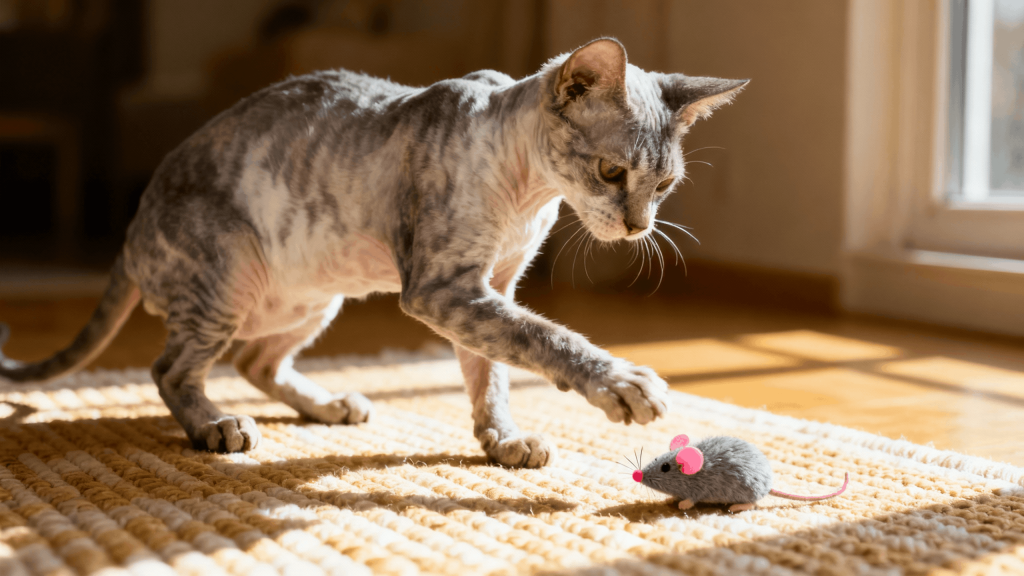
IBD typically emerges over time rather than suddenly. Early signs may fluctuate, leading owners to attribute symptoms to stress, hairballs, or dietary changes.
Cats’ natural tendency to mask illness further delays recognition, allowing inflammation to become established before diagnosis.
Long-Term Management Considerations
IBD management focuses on reducing inflammatory triggers and supporting intestinal integrity rather than simply stopping symptoms. Stability, consistency, and careful monitoring are central to long-term digestive comfort.
Supporting gut barrier function and immune balance helps reduce flare-ups and improve nutrient utilization.
When Veterinary Evaluation Is Important
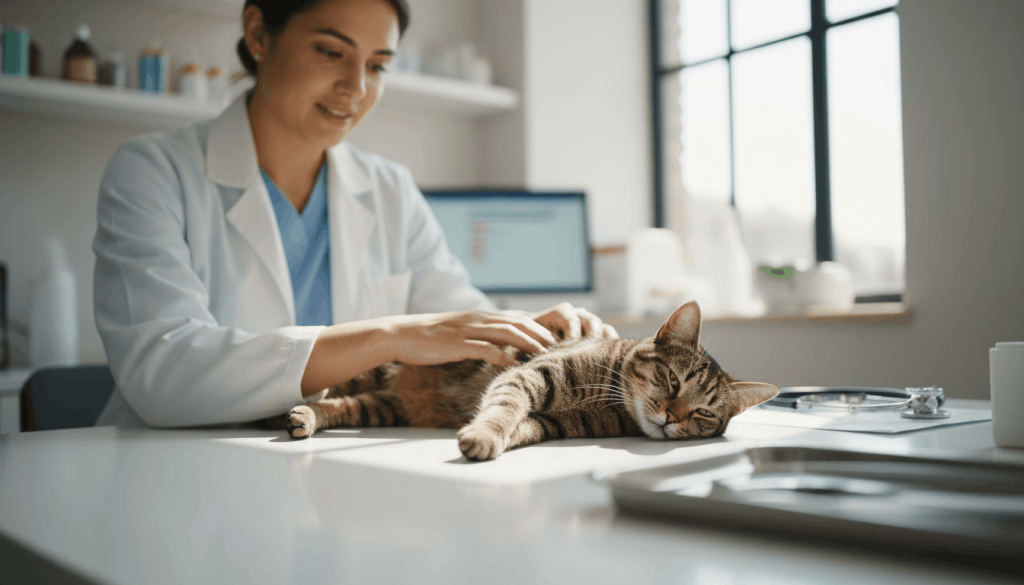
Persistent vomiting, chronic diarrhea, or unexplained weight loss always warrant veterinary assessment. Diagnostic evaluation helps differentiate IBD from other conditions such as lymphoma or chronic infections.
Early intervention improves the likelihood of long-term stability.
Conclusion
Inflammatory Bowel Disease in cats represents a chronic imbalance between the gut and immune system not a normal consequence of hairballs or sensitive stomachs. Recognizing the difference between occasional grooming-related vomiting and persistent digestive inflammation allows owners to seek timely evaluation and support gastrointestinal health more effectively.
References
- Albert, E. J. (1999). Inflammatory bowel disease: current perspectives. Veterinary Clinics of North America: Small Animal Practice, 29(2), 501-521.
- WSAVA International Gastrointestinal Standardization Group, et al. “Endoscopic, biopsy, and histopathologic guidelines for the evaluation of gastrointestinal inflammation in companion animals.” Journal of veterinary internal medicine 24.1 (2010): 10-26.
- Malewska, K., et al. “Treatment of inflammatory bowel disease (IBD) in dogs and cats.” Polish Journal of Veterinary Sciences (2011).
- Leib, M. S. (2010). Chronic Vomiting in Dogs and Cats: A Practical Diagnostic Approach.
- Matricon, J., Barnich, N., & Ardid, D. (2010). Immunopathogenesis of inflammatory bowel disease. Self/nonself, 1(4), 299-309.