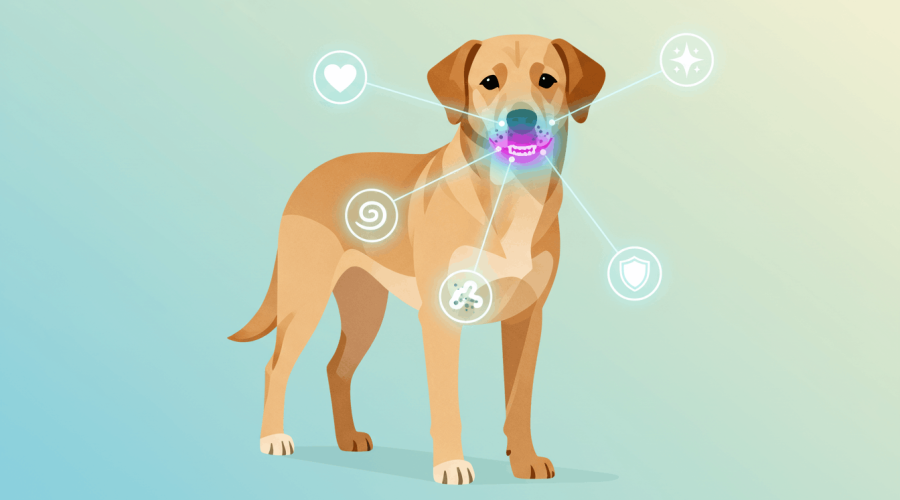
Dog Dental Health Explained: Why Gum Disease Often Goes Unnoticed
Written by MyCern Research & Editorial Team
Dental health is a key aspect of a dog’s overall wellbeing, yet gum disease often goes unnoticed until it affects general health. Plaque and tartar accumulation can lead to inflammation, discomfort, and even systemic effects on organs like the heart and kidneys. Early awareness, preventive care, and routine hygiene are essential to maintain oral health and long-term vitality.
This article explores:
- Common causes and stages of gum disease in dogs
- Early signs that dental issues may be present
- How oral health affects overall physical wellbeing
- Preventive habits and care strategies
- Diet and enrichment tips to support strong teeth and gums
Understanding Canine Gum Disease

Gum disease, or periodontal disease, develops when plaque composed of bacteria, food debris, and saliva accumulates on teeth and hardens into tartar.
Stages of gum disease:
- Gingivitis: Red, inflamed gums; often reversible with cleaning
- Early periodontitis: Tartar buildup, mild discomfort, and potential tooth loosening
- Advanced periodontitis: Significant infection, bone loss, and systemic impact
Quick Tip Box – Why Gum Disease Is Hard to Detect:
- Dogs rarely show obvious pain until later stages
- Bad breath may be dismissed as normal
- Subtle changes in eating habits or chewing behavior often go unnoticed
Early Signs to Watch For
Observing your dog regularly can help detect issues before they worsen:
- Persistent bad breath
- Red, swollen, or bleeding gums
- Difficulty chewing or dropping food
- Pawing at the mouth or avoiding toys
Quick Tip Box – Simple Oral Checks at Home:
- Lift lips to inspect gums and teeth weekly
- Look for tartar buildup along the gumline
- Observe chewing and eating patterns
- Note any drooling or facial swelling
How Oral Health Impacts Overall Wellness

Dental issues can influence multiple systems in a dog’s body:
- Immune system stress: Chronic inflammation taxes immune defenses
- Cardiovascular function: Oral bacteria can enter the bloodstream, affecting heart health
- Digestive health: Chewing discomfort may reduce food intake or alter diet choices
Maintaining oral hygiene supports both local and systemic health.
Daily Dental Care and Prevention
Preventive habits are the most effective way to reduce dental disease:
- Brushing: Regular toothbrushing with dog-safe toothpaste
- Dental chews and toys: Promote mechanical plaque removal
- Routine veterinary dental check-ups: Professional cleaning when recommended
- Dietary support: Crunchy kibble and specific dental diets may reduce tartar buildup
Quick Tip Box – Supporting Canine Dental Health:
- Start brushing early in puppyhood for habit formation
- Rotate chew toys to stimulate gums
- Monitor for subtle changes in eating or chewing behavior
- Maintain regular veterinary dental assessments

References
- Harvey, C. E., et al. (2002). Periodontal disease in dogs and cats: Etiology, prevention, and management. Veterinary Clinics of North America: Small Animal Practice, 32(5), 1049–1062.
- Niemiec, B. A. (2013). Veterinary Dental Techniques for Dogs and Cats. Wiley-Blackwell.
- Glickman, L. T., et al. (1999). Oral health and systemic disease in dogs. Journal of the American Veterinary Medical Association, 215(4), 514–517.
- Reiter, A. M., et al. (2004). Prevalence and severity of periodontal disease in dogs. Journal of Veterinary Dentistry, 21(2), 47–54.
Conclusion
Gum disease in dogs often develops quietly, making early recognition and preventive care essential. Regular home inspections, consistent brushing, appropriate diet, and veterinary dental assessments help maintain strong teeth, healthy gums, and overall wellbeing. A science-informed approach to oral health contributes to a dog’s comfort, vitality, and long-term quality of life.