Sensitive Skin and Over-Grooming in Cats: Is It Allergies, Stress, or Nutrition?
Written by MyCern Research & Editorial Team
Cats are known for meticulous grooming, but when grooming becomes excessive, it may signal underlying discomfort. Sensitive skin and over-grooming can result from a combination of biological, environmental, and nutritional factors. Understanding how these influences interact helps cat owners identify possible triggers and support skin comfort naturally, without relying on assumptions or quick fixes.
This article explores:
- Why cats over-groom and develop sensitive skin
- How food sensitivities and environmental allergies affect the skin
- The role of fatty acid balance in skin health
- How stress influences grooming behavior
- Daily habits that support healthy skin and calm behavior
Why Sensitive Skin Leads to Over-Grooming
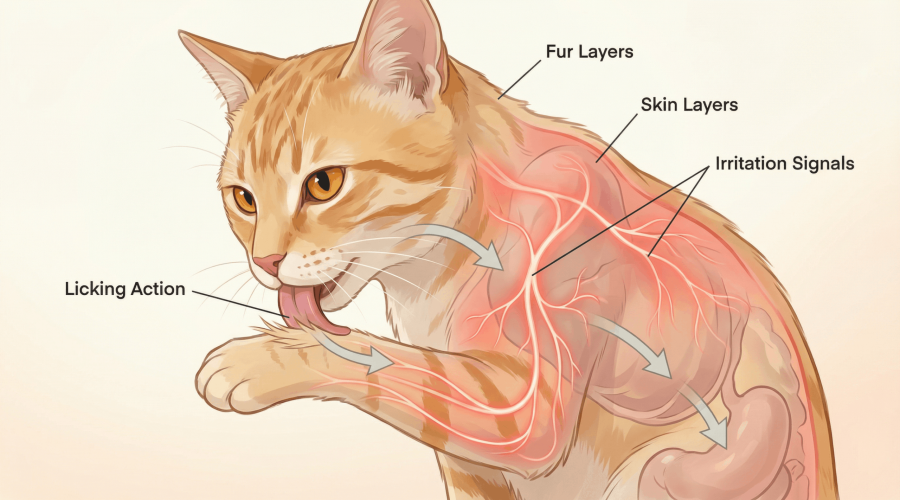
The skin is both a protective barrier and a sensory organ. When irritation occurs, cats may groom excessively in response to:
- Itching or inflammation
- Disruption of the skin barrier
- Heightened nerve sensitivity
- Stress-related behavioral responses
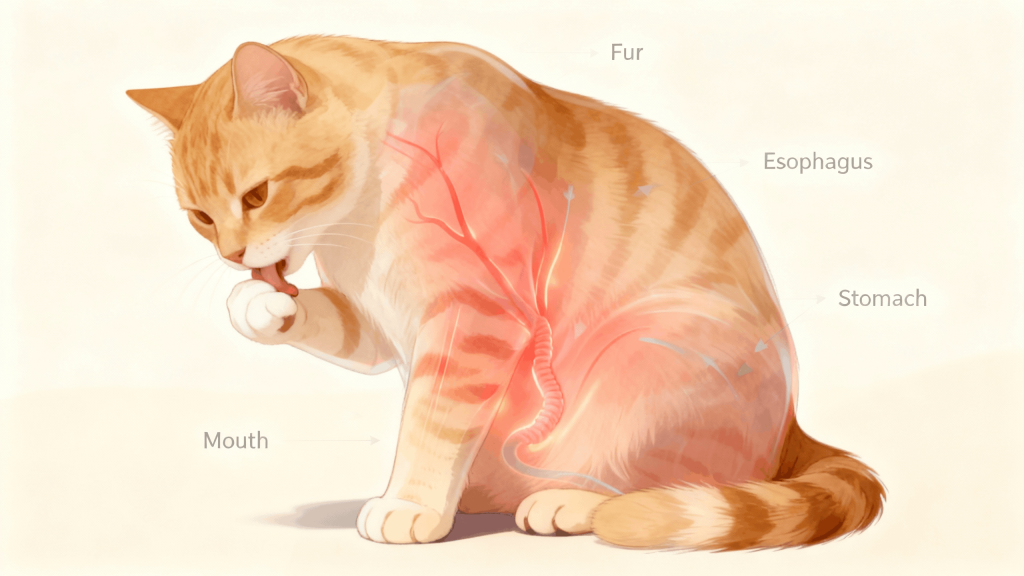
Over time, excessive grooming can worsen skin irritation by damaging the hair coat and skin surface.
Quick Tip Box – Common Signs of Over-Grooming:
- Thinning or patchy fur, especially on the belly or legs
- Red or irritated skin
- Hairballs increasing in frequency
- Repetitive licking or chewing
Food Sensitivities and Skin Reactions

Food sensitivities may contribute to skin discomfort in some cats:
- Reactions are often delayed rather than immediate
- Skin and digestive signs may occur together
- Certain proteins or additives may act as triggers
Unlike acute allergies, food sensitivities often cause chronic, low-grade irritation.
Quick Tip Box – Observing Dietary Triggers:
- Monitor changes after diet switches
- Avoid frequent food changes without reason
- Introduce new foods gradually
- Track skin, coat, and stool changes together
Environmental Allergies and Skin Irritation
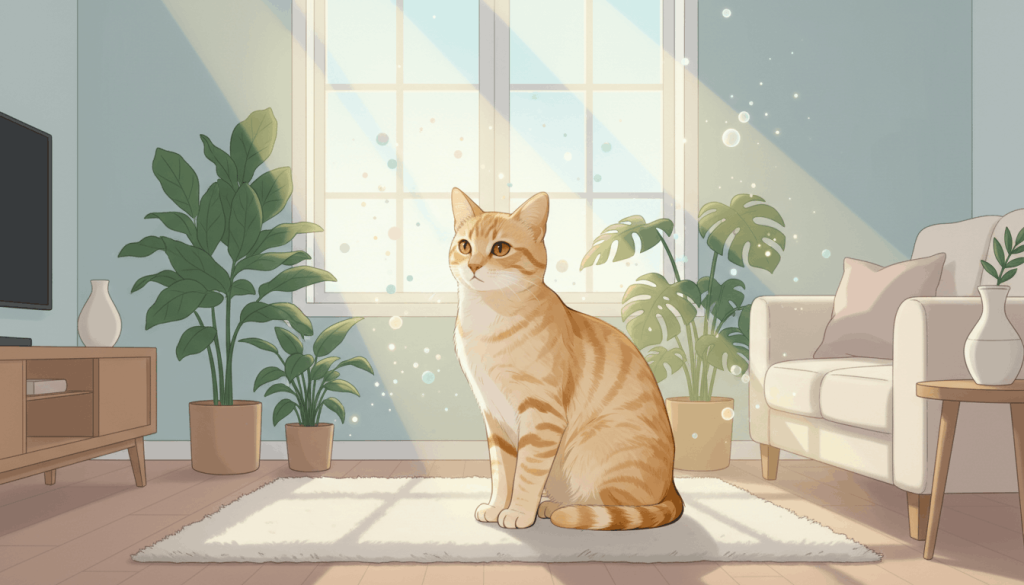
Environmental allergens can come into direct contact with the skin:
- Pollen, dust mites, and mold
- Cleaning products or scented litter
- Fabrics and household surfaces
These exposures may compromise the skin barrier and trigger itching.
Quick Tip Box – Reducing Environmental Irritants:
- Wash bedding regularly
- Use fragrance-free household products
- Vacuum frequently to reduce allergens
- Wipe paws and fur after outdoor exposure
Stress and Behavioral Grooming
Stress can amplify grooming behavior even in the absence of physical irritation:
- Changes in routine or environment
- Multi-cat household dynamics
- Boredom or lack of enrichment
Stress-related grooming often becomes repetitive and focused on specific areas.
Quick Tip Box – Supporting Emotional Balance:
- Maintain predictable daily routines
- Provide vertical spaces and hiding areas
- Encourage regular play and interaction
- Offer quiet zones for rest
Nutrition and Omega Fatty Acid Balance
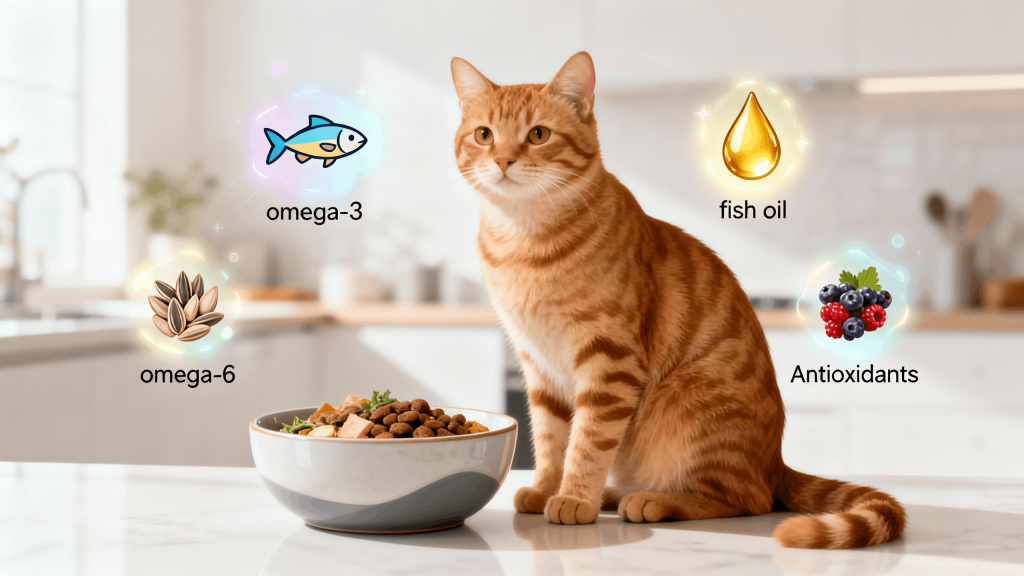
Fatty acids play a central role in skin structure and inflammation balance:
- Omega-3 fatty acids: Support skin barrier integrity and inflammatory regulation
- Omega-6 fatty acids: Important for skin health but require balance
- Antioxidants: Support skin cell resilience
Balanced nutrition supports normal skin hydration and coat quality.
Quick Tip Box – Feeding for Skin Comfort:
- Choose complete, balanced diets
- Ensure consistent feeding routines
- Support hydration for skin elasticity
- Avoid over-supplementation without guidance
Daily Habits That Support Skin Health
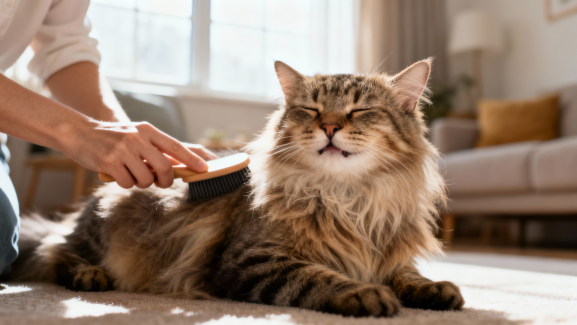
- Regular, gentle grooming to remove loose hair
- Maintain clean living environments
- Monitor coat and skin weekly
- Address changes early rather than waiting for progression
References
- Olivry, T., et al. (2016). Allergic skin diseases in cats. Veterinary Dermatology, 27(1), 1–13.
- Mueller, R. S., et al. (2016). Diagnosis and management of feline hypersensitivity disorders. Journal of Feline Medicine and Surgery, 18(7), 539–548.
- Verlinden, A., et al. (2006). Food allergy in dogs and cats: A review. Critical Reviews in Food Science and Nutrition, 46(3), 259–273.
- Marsella, R., et al. (2012). Role of fatty acids in dermatologic health of companion animals. Veterinary Dermatology, 23(5), 398–405.
Conclusion
Sensitive skin and over-grooming in cats are often the result of overlapping factors rather than a single cause. By considering food sensitivities, environmental exposures, nutritional balance, and emotional wellbeing, cat owners can support skin comfort in a holistic, natural way. Careful observation, consistent routines, and science-informed choices help promote healthier skin and calmer grooming behavior over time.