

The Role of Antioxidant Diversity in Pet Longevity
Written by MyCern Research & Editorial Team
Your pet’s body is quietly fighting microscopic battles every day. From normal metabolism to environmental exposures, cells constantly produce unstable molecules known as free radicals. Over time, unchecked oxidative stress can contribute to aging, reduced vitality, and increased vulnerability to chronic conditions.
Antioxidants help neutralize these free radicals but here’s the key insight many pet owners miss: it’s not about one antioxidant, it’s about diversity. Just as a varied diet supports overall nutrition, a broad spectrum of antioxidants plays a more effective role in long-term cellular protection and healthy aging.
This article explores:
- What oxidative stress is and why it affects pets as they age
- Why antioxidant diversity matters more than high doses of one compound
- Key antioxidant categories that support cellular health
- How diet, lifestyle, and environment influence antioxidant needs
- Practical ways to support antioxidant balance naturally
Oxidative Stress: A Normal Process With Long-Term Effects
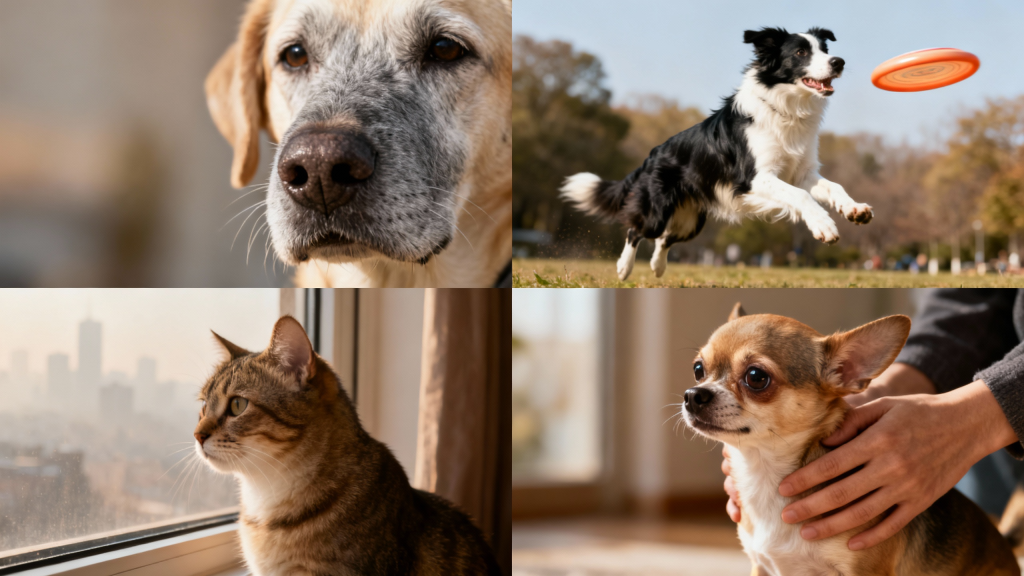
Oxidative stress occurs when free radical production exceeds the body’s ability to neutralize them. In pets, free radicals are generated by:
- Normal energy metabolism
- Physical activity and exercise
- Environmental factors (pollution, smoke, UV exposure)
- Psychological stress
- Aging-related metabolic changes
While oxidative stress is unavoidable, chronic imbalance can affect tissues with high energy demands—such as the brain, heart, joints, skin, and immune system.
Quick Tip Box – Pets That May Need Extra Antioxidant Support:
- Senior dogs and cats
- Highly active or working pets
- Pets exposed to environmental pollutants
- Pets experiencing chronic stress or inflammation
Why Antioxidant Diversity Matters
Different antioxidants work in different parts of the body and neutralize different types of free radicals. Relying heavily on a single antioxidant is like locking only one door in a house with many entrances.
Antioxidant diversity supports cellular health by:
- Providing protection across multiple tissues
- Supporting both water- and fat-soluble environments
- Helping antioxidants regenerate each other
- Reducing the risk of imbalance from excessive single-nutrient intake
Research suggests that synergistic antioxidant networks are more effective than isolated compounds.
Key Categories of Antioxidants in Pet Health
Vitamin-Based Antioxidants
These are well-known but still essential.
- Vitamin E: Protects cell membranes from lipid oxidation
- Vitamin C: Supports immune signaling and regenerates other antioxidants
Dogs can synthesize vitamin C, but demands may increase with stress or aging. Cats rely more heavily on dietary antioxidant sources.
Polyphenols and Plant Compounds
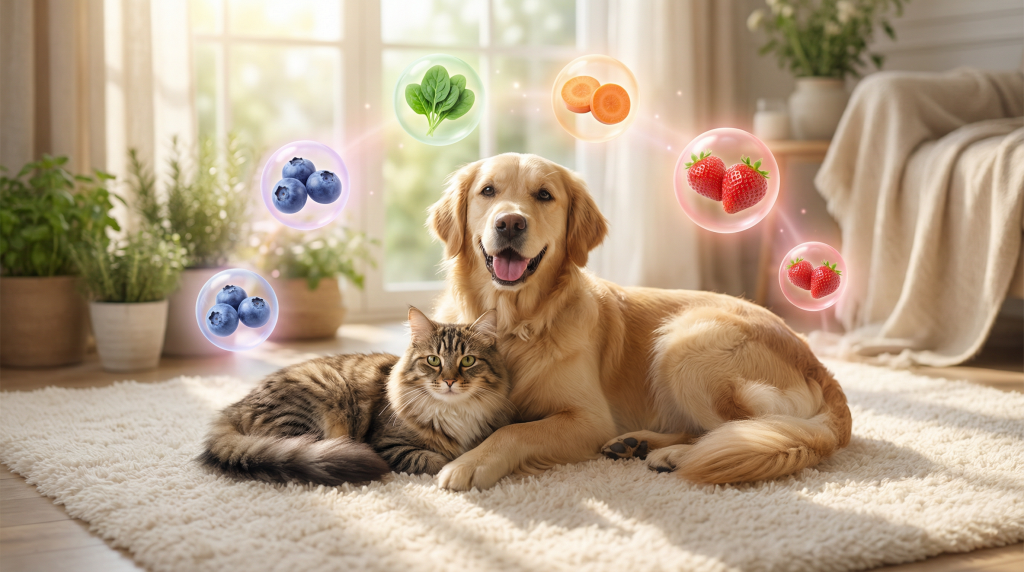
Naturally found in colorful fruits and vegetables, these compounds offer targeted cellular protection.
- Flavonoids support vascular and immune health
- Carotenoids (like lutein) support eye and skin health
- Anthocyanins help combat oxidative damage in soft tissues
Different plant compounds act on different oxidative pathways, reinforcing the importance of variety.
Trace Minerals With Antioxidant Roles
Certain minerals act as cofactors for antioxidant enzymes.
- Zinc: Supports skin integrity and immune defense
- Selenium: Essential for glutathione-related enzymes
- Copper: Plays a role in cellular antioxidant systems
Balance is critical both deficiency and excess can disrupt antioxidant function.
Endogenous Antioxidant Systems
The body also produces its own antioxidant enzymes, such as:
- Superoxide dismutase (SOD)
- Catalase
- Glutathione peroxidase
Nutrition, sleep quality, and stress levels strongly influence how effectively these systems function.
Antioxidants and Healthy Aging in Pets

As pets age, natural antioxidant production often declines while oxidative stress increases. This imbalance may contribute to:
- Reduced cognitive sharpness
- Slower recovery from activity
- Changes in skin and coat quality
- Decreased immune resilience
Supporting antioxidant diversity becomes increasingly important for senior pets, particularly those showing subtle changes in behavior, mobility, or energy.
Diet: The Foundation of Antioxidant Diversity

Whole-food-based diets that incorporate a range of nutrient sources tend to provide broader antioxidant coverage.
Key principles include:
- Rotational protein and ingredient sources (when appropriate)
- Inclusion of antioxidant-rich whole foods
- Avoidance of overly processed, nutrient-depleted diets
- Attention to ingredient quality and sourcing
No single food provides every antioxidant variety supports resilience.
Lifestyle Factors That Influence Oxidative Balance
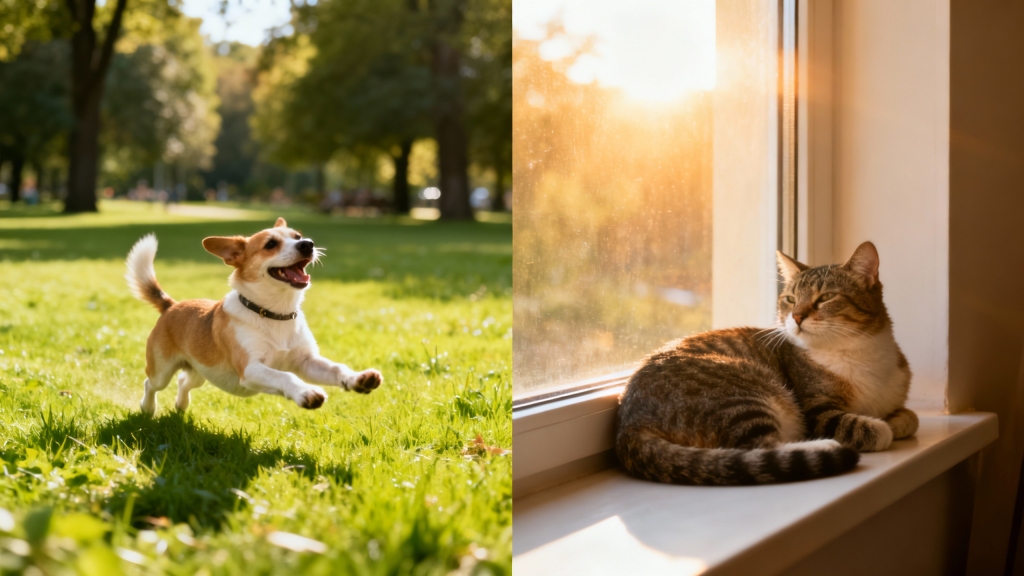
Antioxidants don’t work in isolation. Daily habits matter.
Supportive lifestyle practices include:
- Regular, age-appropriate physical activity
- Stress-reducing routines and predictable schedules
- Adequate sleep and rest periods
- Clean, low-toxin living environments
When Oxidative Stress May Be a Concern
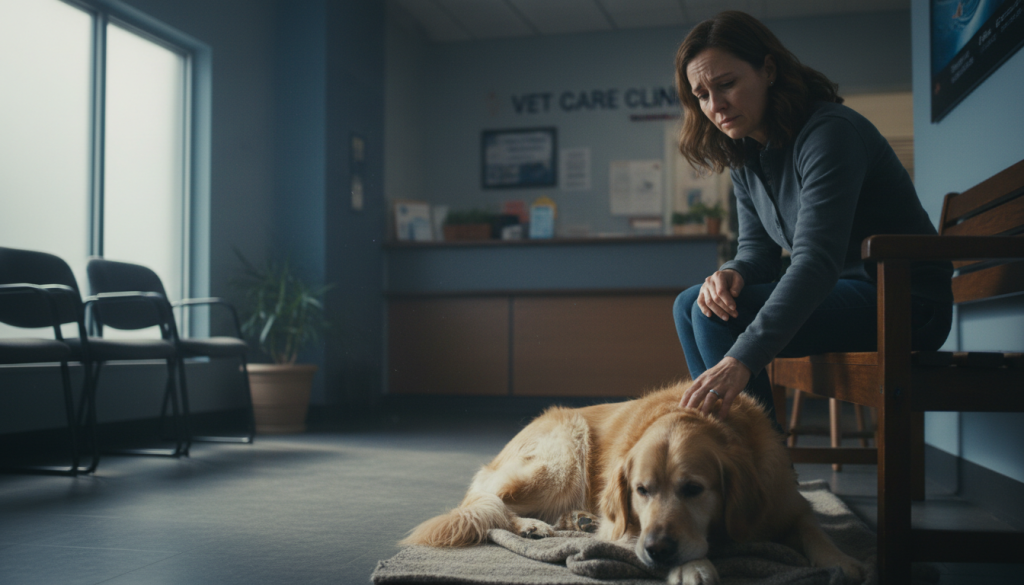
While antioxidants support long-term wellness, sudden or severe changes should be evaluated by a veterinarian.
Red Flags to Watch For:
- Rapid decline in energy or endurance
- Cognitive or behavioral changes
- Persistent inflammation or delayed recovery
- Noticeable coat or skin deterioration
These signs may indicate underlying issues beyond normal aging.
References
- Finkel, T., & Holbrook, N. J. (2000). Oxidants, oxidative stress and the biology of ageing. Nature, 408(6809), 239–247.
- Halliwell, B., & Gutteridge, J. M. C. (2015). Free radicals in biology and medicine. Oxford University Press.
- Freeman, L. M., et al. (2010). Nutrition and antioxidant status in aging dogs and cats. Journal of Veterinary Internal Medicine, 24(2), 256–264.
- Ames, B. N., et al. (1993). Oxidants, antioxidants, and degenerative diseases of aging. Proceedings of the National Academy of Sciences, 90(17), 7915–7922.
Conclusion
Longevity in pets isn’t supported by a single nutrient or quick fix. It’s built through consistent, balanced care that supports the body at the cellular level. Antioxidant diversity through varied nutrition, supportive lifestyle habits, and thoughtful daily routines, helps protect cells from oxidative stress and supports healthy aging over time.
By focusing on variety, balance, and long-term consistency, pet owners can play an active role in helping their dogs and cats age with vitality, resilience, and comfort.
