Overstimulation in Dogs: When Too Much Activity Becomes Stress
Written by MyCern Research & Editorial Team
In today’s world of dog parks, puzzle toys, training classes, and constant interaction, it’s easy to assume that more activity always equals a happier dog. But just like people, dogs have limits. When stimulation outpaces a dog’s ability to process and recover, it can quietly shift from enrichment to stress.
Overstimulation isn’t always loud or obvious. In many cases, it shows up as restlessness, irritability, or difficulty settling signals that a dog’s nervous system is working overtime rather than benefiting from the activity.
This article explores:
- What overstimulation means from a physiological perspective
- Common causes of sensory and mental overload in dogs
- Subtle signs that activity is becoming stressful
- How stress affects behavior, sleep, and recovery
- Practical ways to balance stimulation with restoration
What Is Overstimulation in Dogs?
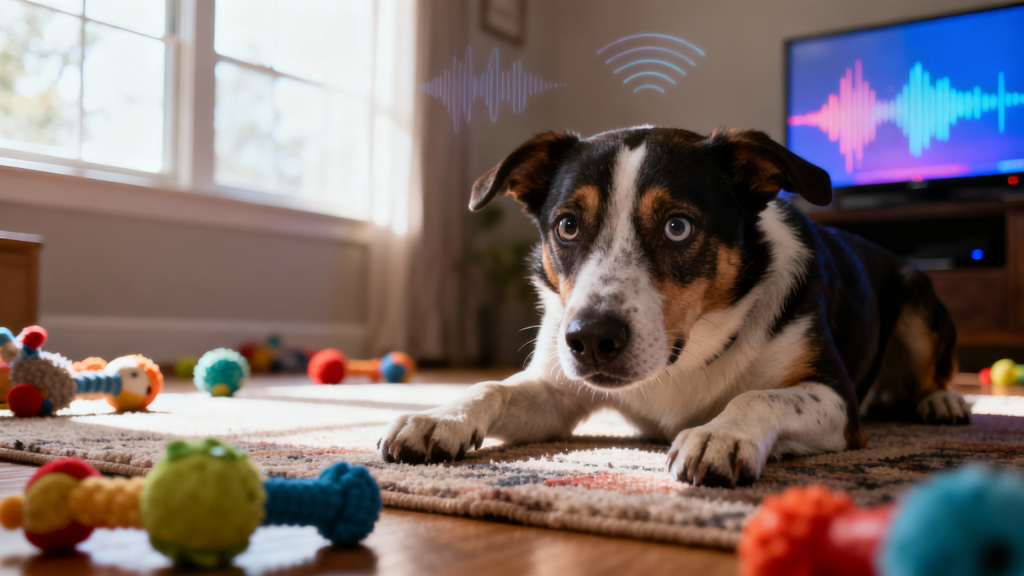
Overstimulation occurs when a dog’s sensory, physical, or cognitive input exceeds their nervous system’s capacity to regulate and recover.
This may involve:
- Excessive physical activity
- Prolonged mental challenges without rest
- High sensory input (noise, movement, crowds)
- Emotional stress from social interactions
Instead of supporting learning and confidence, the nervous system shifts into a heightened stress response, activating cortisol and adrenaline pathways.
The Physiology of Stress vs. Engagement
Healthy engagement supports:
- Dopamine release (motivation and learning)
- Balanced cortisol rhythms
- Parasympathetic (“rest-and-digest”) activation after activity
Overstimulation, however, may lead to:
- Sustained cortisol elevation
- Reduced recovery between activities
- Sleep disruption
- Impaired emotional regulation
Without sufficient downtime, the brain and body never fully reset.
Signs Your Dog May Be Overstimulated
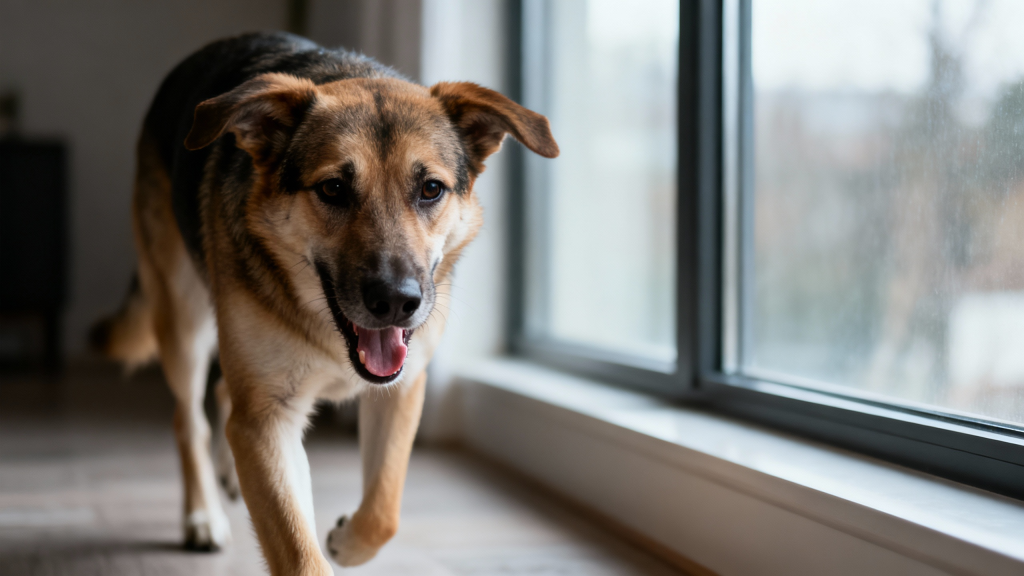
Overstimulation isn’t always hyperactivity. It often appears in subtle ways.
Behavioral signs:
- Inability to settle or relax
- Excessive pacing or panting
- Jumping or mouthing beyond normal play
- Heightened reactivity to sounds or movement
Physical signs:
- Disrupted sleep patterns
- Digestive upset after busy days
- Reduced appetite or increased food-seeking
Emotional cues:
- Irritability with people or other dogs
- Avoidance after prolonged activity
- Seemingly “random” anxiety
Quick Tip Box – A Tired Dog vs. An Overstimulated Dog:
- Healthy tired: Calm, relaxed, sleeps easily
- Overstimulated: Wired, restless, struggles to settle
Common Sources of Overstimulation
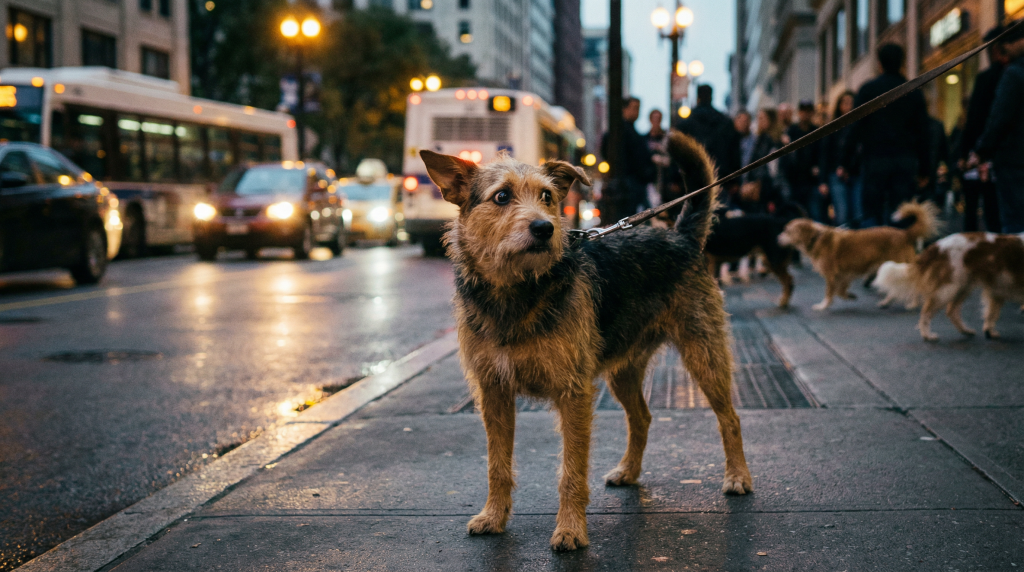
Constant Social Exposure
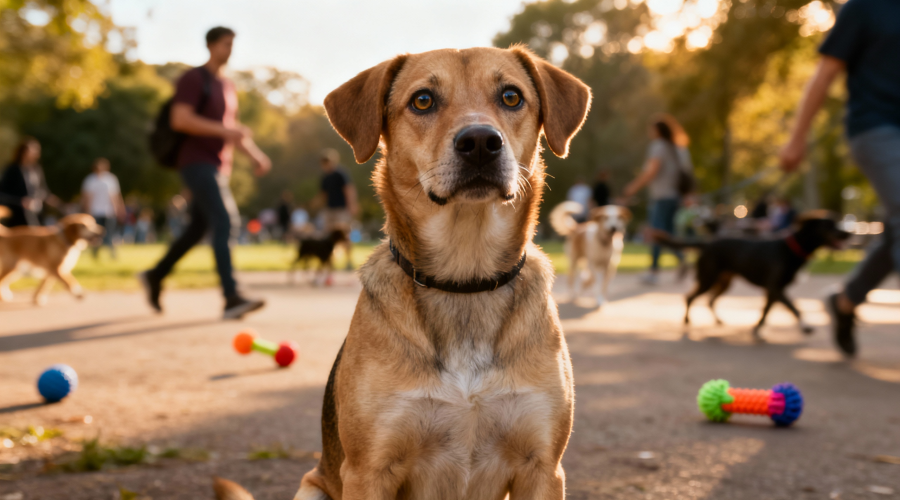
Dog parks, daycare, and group training can be enriching—but back-to-back social sessions may overwhelm some dogs, especially those with sensitive temperaments.
Too Much Mental Work
Puzzle toys and training games are beneficial, but long sessions without breaks can tax cognitive resources.
Sensory Overload
Loud environments, frequent visitors, traffic noise, or screen exposure may keep a dog’s stress response activated.
Lack of Predictable Downtime
Inconsistent routines or frequent schedule changes reduce a dog’s ability to anticipate rest.
Overstimulation and Sleep Disruption

Sleep is essential for nervous system recovery. Dogs experiencing overstimulation may:
- Pace or reposition frequently at night
- Wake easily from light noises
- Show increased daytime fatigue despite “being active”
Without quality sleep, stress hormones remain elevated, creating a feedback loop of reactivity and exhaustion.
Why Recovery Is as Important as Activity
Recovery allows the parasympathetic nervous system to restore balance.
Supportive recovery practices include:
- Calm decompression walks
- Sniffing and exploratory time without goals
- Quiet companionship without interaction demands
- Comfortable, low-stimulation resting spaces
These moments help reset stress pathways and improve emotional regulation.
Creating a Balanced Stimulation Routine
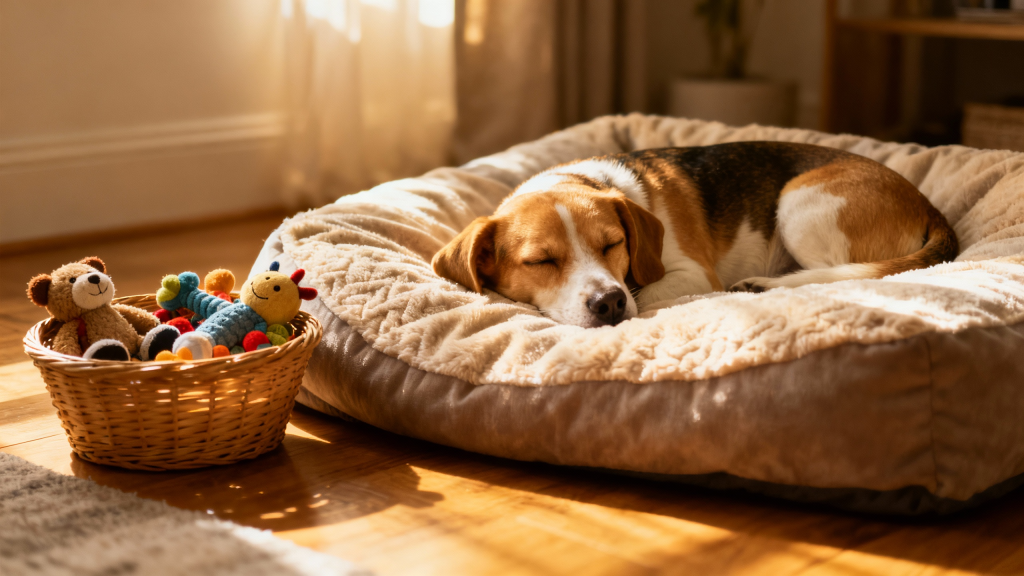
Balance doesn’t mean reducing enrichment—it means spacing it wisely.
Practical strategies:
- Alternate active days with lighter days
- Keep training sessions short and end on success
- Schedule intentional quiet time after stimulating events
- Watch your dog’s individual threshold, not generic guidelines
When Stress May Need Professional Support
Occasional overstimulation is normal, but chronic stress deserves attention.
Red flags include:
- Persistent anxiety or reactivity
- Aggression emerging after busy periods
- Ongoing sleep disruption
- Digestive issues linked to stress
A veterinarian or qualified behavior professional can help rule out medical contributors and guide supportive adjustments.

References
- Beerda, B., et al. (1998). Behavioral, saliva cortisol and heart rate responses to different types of stress in dogs. Applied Animal Behaviour Science, 58(3–4), 365–381.
- Overall, K. L. (2013). Manual of Clinical Behavioral Medicine for Dogs and Cats. Elsevier.
- Dreschel, N. A., & Granger, D. A. (2009). Physiological stress responses in dogs. Physiology & Behavior, 96(4–5), 594–598.
- Hennessy, M. B., et al. (2014). Stress, cortisol, and behavior in domestic dogs. Hormones and Behavior, 66(1), 113–121.
Conclusion
Activity and enrichment are essential but more isn’t always better. When stimulation exceeds a dog’s capacity to process and recover, stress quietly replaces enjoyment. By learning to recognize the signs of overstimulation and prioritizing recovery alongside activity, pet owners can support calmer behavior, better sleep, and long-term emotional wellbeing.
Healthy dogs don’t just need movement, they need balance.