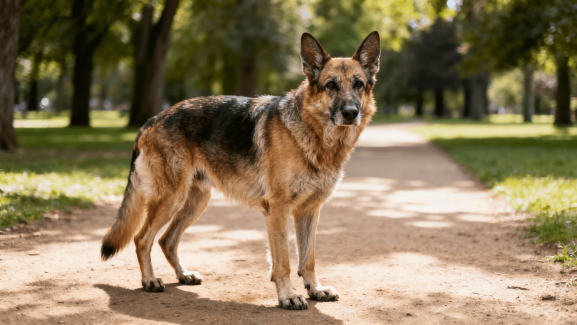
Keep Them Moving: Natural Ways to Support Pet Joints and Flexibility
Written by MyCern Research & Editorial Team
Joint health is critical for pets’ mobility, comfort, and overall quality of life. As pets age, or after periods of inactivity, joint stiffness and reduced flexibility can limit activity. Supporting joint function through diet, exercise, and natural supplements helps pets stay active, agile, and happy throughout their lives.
This article explores:
- How joints work and why flexibility matters
- Common factors affecting joint health in pets
- Natural approaches to support mobility and comfort
- Practical lifestyle strategies for healthy joints
- Tips to monitor and maintain joint function over time
Understanding Pet Joint Function
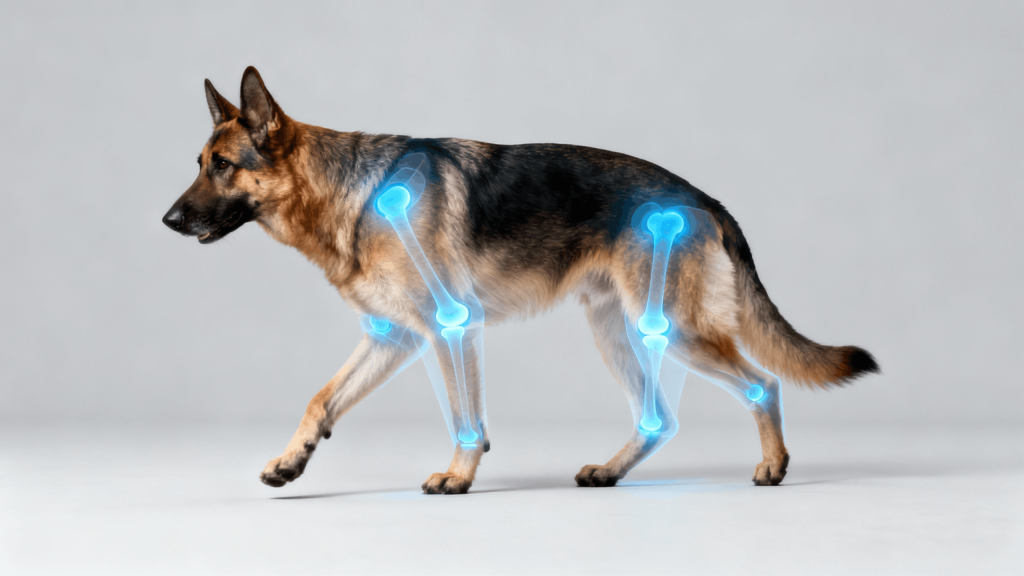
Joints connect bones and allow smooth movement. Key components include:
- Cartilage: Cushions bones and reduces friction during movement
- Synovial fluid: Lubricates the joint for smooth motion
- Ligaments and tendons: Stabilize joints and transmit muscle forces
Healthy joints support activity, play, and posture. Aging, genetics, or excess weight can increase stress on joints and reduce flexibility.
Quick Tip Box – Signs of Joint Discomfort:
- Hesitation to climb stairs or jump
- Limping or uneven gait
- Stiffness after rest
- Reduced interest in walks or play
Natural Ways to Support Joints
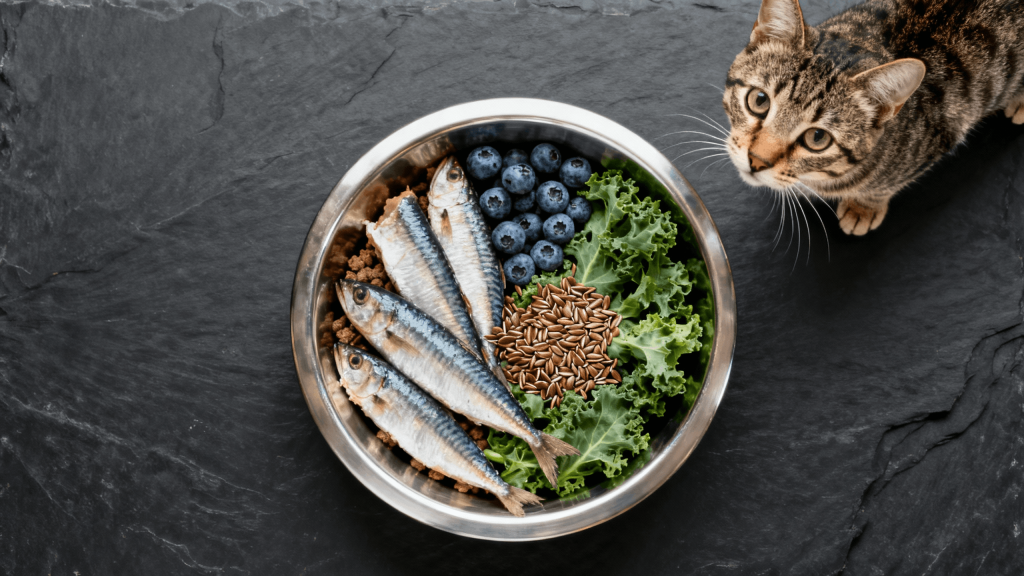
Several natural approaches can help maintain joint health and flexibility:
- Balanced nutrition: High-quality protein supports muscle and joint function
- Omega-3 fatty acids: Reduce inflammation and support cartilage health
- Antioxidants: Vitamins C and E help protect joint tissues from oxidative stress
- Glucosamine and chondroitin: Support cartilage integrity and mobility (under veterinary guidance)
- Weight management: Maintaining healthy weight reduces pressure on joints
Quick Tip Box – Dietary Support for Joints:
- Incorporate lean protein sources for muscle maintenance
- Include small amounts of fish oil or omega-3 rich supplements if tolerated
- Monitor caloric intake to prevent weight gain
- Provide nutrient-rich foods or supplements that support connective tissue health
Exercise and Flexibility

Regular, low-impact activity helps maintain joint function:
- Controlled walks: Encourage range of motion without overexertion
- Swimming or hydrotherapy: Provides full-body movement with minimal joint stress
- Stretching and gentle play: Helps maintain flexibility and muscle tone
- Interactive toys: Encourage safe movement and mental engagement
Quick Tip Box – Exercise Routine for Joints:
- 10–15 minute gentle walks 2–3 times daily for older pets
- Short indoor play sessions with puzzle or chase toys
- Monitor for signs of fatigue or discomfort during activity
- Adjust intensity based on age, breed, and health status
Lifestyle Tips for Joint Health
- Provide supportive bedding to reduce joint pressure
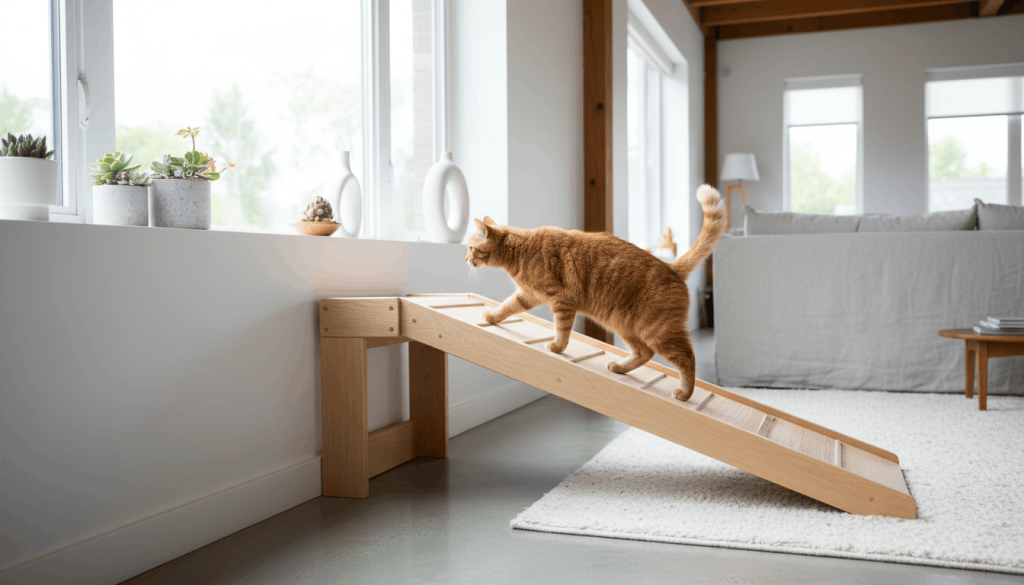
- Use ramps or stairs for pets with mobility challenges
- Maintain a consistent weight through diet and exercise
- Schedule regular veterinary check-ups for early detection of joint issues
- Observe for subtle changes in gait or posture over time
References
- McCarthy, G., et al. (2010). Canine joint health and nutrition. Veterinary Clinics of North America: Small Animal Practice, 40(4), 691–711.
- Vandeweerd, J. M., et al. (2012). Evidence-based efficacy of nutraceuticals in dogs and cats. Journal of Veterinary Internal Medicine, 26(3), 593–602.
- Case, L. P., et al. (2011). Canine and Feline Nutrition: A Resource for Companion Animal Professionals. Elsevier Health Sciences.
- Innes, J. F. (2010). Management of osteoarthritis in dogs and cats. Veterinary Record, 166(1), 23–30.
Conclusion
Maintaining joint health and flexibility is essential for pets’ mobility, play, and long-term wellbeing. Through balanced nutrition, weight management, regular low-impact exercise, and supportive lifestyle choices, owners can help their companions stay active, agile, and comfortable. Science-informed routines and careful observation ensure pets maintain healthy joints and a high quality of life throughout their years.