Cognitive Dysfunction Syndrome: When Aging Affects Your Pet’s Brain
Written by MyCern Research & Editorial Team
As pets grow older, subtle changes in behavior are often attributed to “just aging.” However, when disorientation, altered sleep patterns, or personality shifts begin to interfere with daily life, these changes may reflect Cognitive Dysfunction Syndrome (CDS), a progressive, neurodegenerative condition similar in many ways to human dementia.
CDS is not simply forgetfulness. It involves measurable changes in brain structure, neurotransmitter balance, and cellular health that affect how pets perceive, learn, and interact with their environment. Recognizing CDS as a biological condition rather than a normal part of aging allows for earlier awareness and better long-term support.
This article explores:
- What Cognitive Dysfunction Syndrome is
- How aging alters the brain at a cellular level
- Common behavioral signs of cognitive decline
- The role of oxidative stress and neuroinflammation
- Long-term considerations for supporting brain health
What Is Cognitive Dysfunction Syndrome?
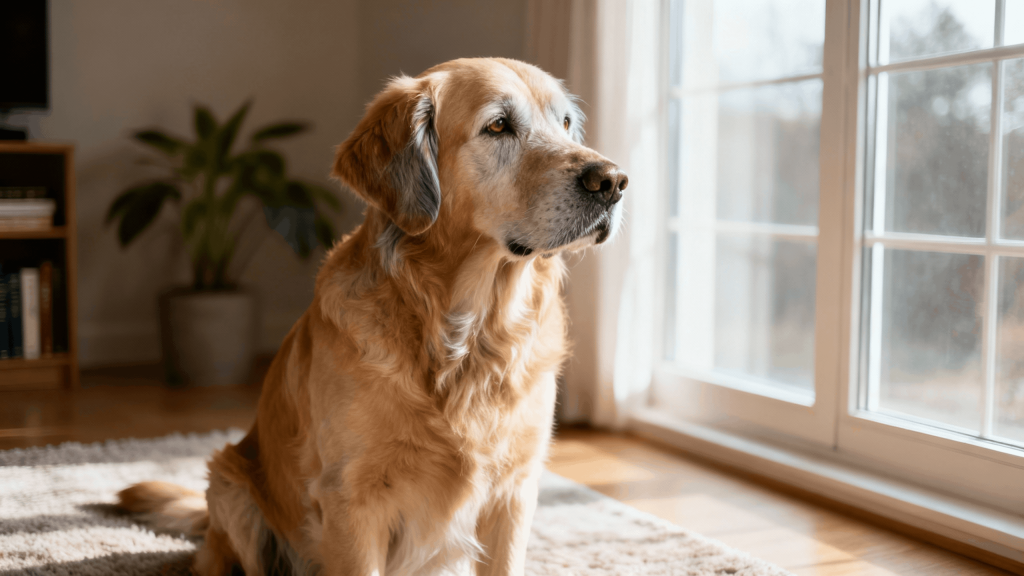
Cognitive Dysfunction Syndrome is a progressive decline in cognitive function that affects learning, memory, awareness, and responsiveness. It occurs most commonly in senior dogs and cats and worsens gradually over time.
Unlike temporary confusion caused by illness or stress, CDS reflects ongoing structural and biochemical changes within the brain.
How the Aging Brain Changes
As pets age, their brains undergo cumulative cellular stress. Neurons are particularly vulnerable because they have limited regenerative capacity and high energy demands.
Key age-related brain changes include:
- Reduced cerebral blood flow
- Declining neurotransmitter production
- Accumulation of oxidative damage
- Loss of synaptic connectivity
Together, these changes impair communication between brain regions responsible for memory, orientation, and behavior.
Oxidative Stress and Neurodegeneration

One of the central drivers of CDS is oxidative stress. Normal metabolic processes generate reactive oxygen species, which can damage neuronal membranes, proteins, and DNA over time.
In the aging brain, antioxidant defenses may decline, allowing oxidative damage to accumulate and disrupt neuronal signaling.
Neuroinflammation and Brain Signaling
Chronic, low-grade inflammation also plays a role in cognitive decline. Activated immune cells within the brain release inflammatory mediators that interfere with synaptic transmission and plasticity.
This inflammatory environment can further accelerate neuronal dysfunction and cognitive impairment.
Recognizing Behavioral Signs of CDS
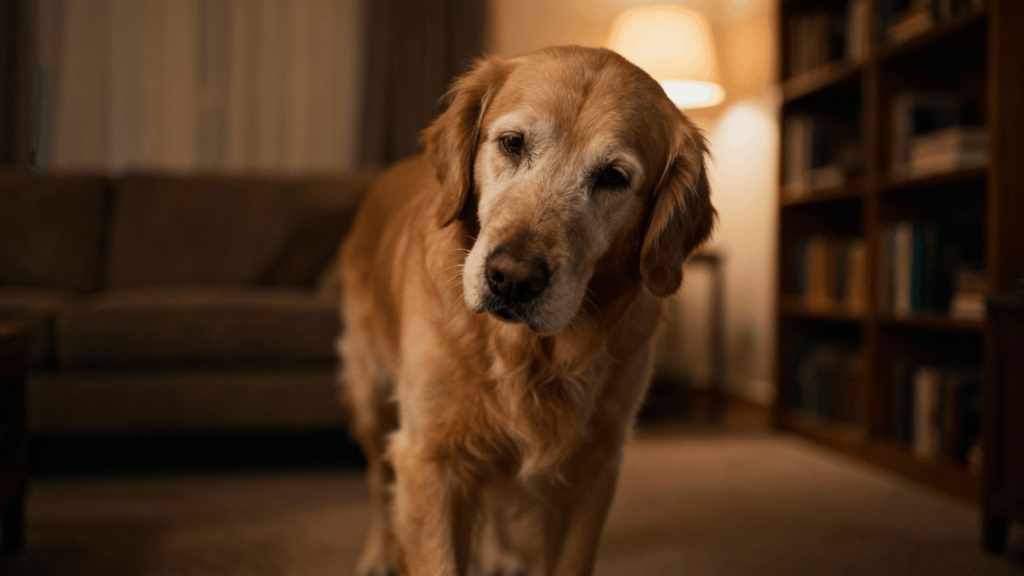
Behavioral changes associated with CDS often follow recognizable patterns, although severity and progression vary between individuals.
Common signs include:
- Disorientation or getting “lost” in familiar spaces
- Altered sleep–wake cycles, including nighttime restlessness
- Reduced social interaction or increased clinginess
- Decreased response to commands or familiar cues
- Changes in house-training or litter box use
These signs reflect impaired information processing rather than deliberate behavior changes.
Sleep Disruption and Circadian Rhythm Changes
The brain regions that regulate circadian rhythms are particularly sensitive to aging. As these systems decline, pets may experience fragmented sleep and increased nighttime activity.
Disrupted sleep further impairs cognitive function, creating a feedback loop that worsens daytime confusion.
Differentiating CDS from Other Conditions
Many medical issues such as arthritis pain, sensory loss, or metabolic disease, can mimic cognitive decline. Proper evaluation is essential to distinguish CDS from conditions that may be reversible or require different management approaches.
Cognitive dysfunction is typically diagnosed by ruling out other causes and assessing behavior patterns over time.
Long-Term Support and Management Considerations
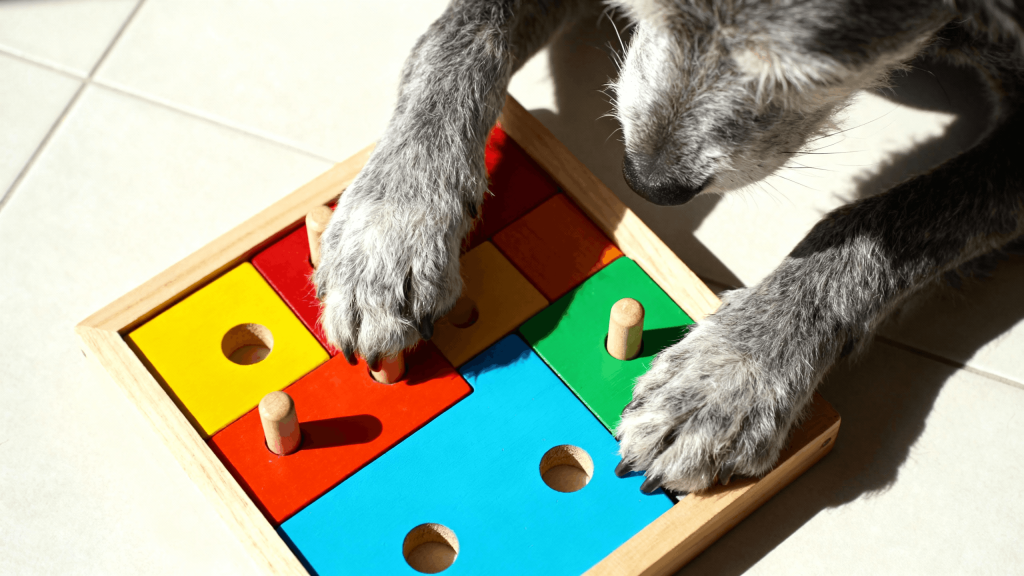
CDS management focuses on slowing progression and maintaining quality of life, rather than reversing existing damage. Predictable routines, mental engagement, and environmental stability help reduce cognitive load on the aging brain.
Supporting neuronal health and minimizing physiological stressors can help preserve remaining cognitive function.
When Veterinary Evaluation Is Essential
Any persistent or worsening behavioral change in a senior pet should prompt veterinary evaluation. Early identification of CDS allows for tailored support strategies and helps differentiate cognitive decline from other treatable conditions.
Conclusion
Cognitive Dysfunction Syndrome reflects real, measurable changes in the aging brain—not simple forgetfulness or stubbornness. By understanding the neurological processes behind dementia-like behaviors, pet owners can recognize early signs and support their pets with greater empathy and informed care. Awareness and consistency play a critical role in maintaining comfort and dignity throughout a pet’s senior years.
References
- Landsberg, G. M., et al. (2012). Cognitive dysfunction syndrome: A disease of canine and feline brain aging. Veterinary Clinics of North America: Small Animal Practice, 42(4), 749–768.
- Cotman, C. W., & Head, E. (2008). The canine (dog) model of human aging and disease. Neurobiology of Aging, 29(5), 627–638.
- Blanchard, T., Eppe, J., Mugnier, A., Delfour, F., & Meynadier, A. (2025). Enhancing cognitive functions in aged dogs and cats: a systematic review of enriched diets and nutraceuticals. GeroScience, 1-23.
- Osella, Maria Cristina, et al. “Canine cognitive dysfunction syndrome: prevalence, clinical signs and treatment with a neuroprotective nutraceutical.” Applied Animal Behaviour Science 105.4 (2007): 297-310.
- Head, E., et al. “Oxidative damage increases with age in a canine model of human brain aging.” Journal of neurochemistry 82.2 (2002): 375-381.