Rotating Toys the Smart Way: Why Familiarity and Novelty Both Matter
Written by MyCern Research & Editorial Team
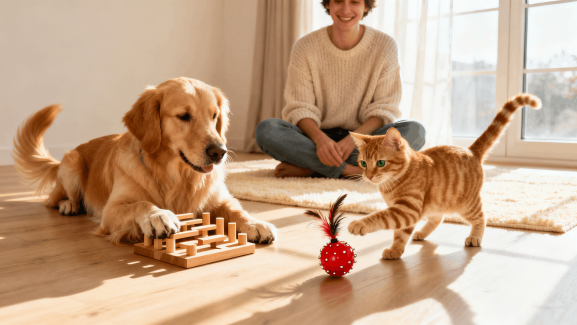
Many pet parents assume that buying more toys automatically leads to a happier, more stimulated pet. Yet homes filled with unused toys often tell a different story, pets lose interest, ignore playthings, or become overstimulated rather than engaged. The issue isn’t the number of toys available, but how pets psychologically respond to familiarity and novelty.
Animals, like humans, thrive on a balance between what feels safe and what feels new. Understanding this balance helps pet owners rotate toys in a way that supports curiosity, emotional comfort, learning, and sustained engagement without overwhelming the nervous system.
This article explores how pets perceive toys over time, why novelty fades, why familiar toys still matter, and how strategic rotation supports healthy play behavior.
How Pets Experience Toys Psychologically
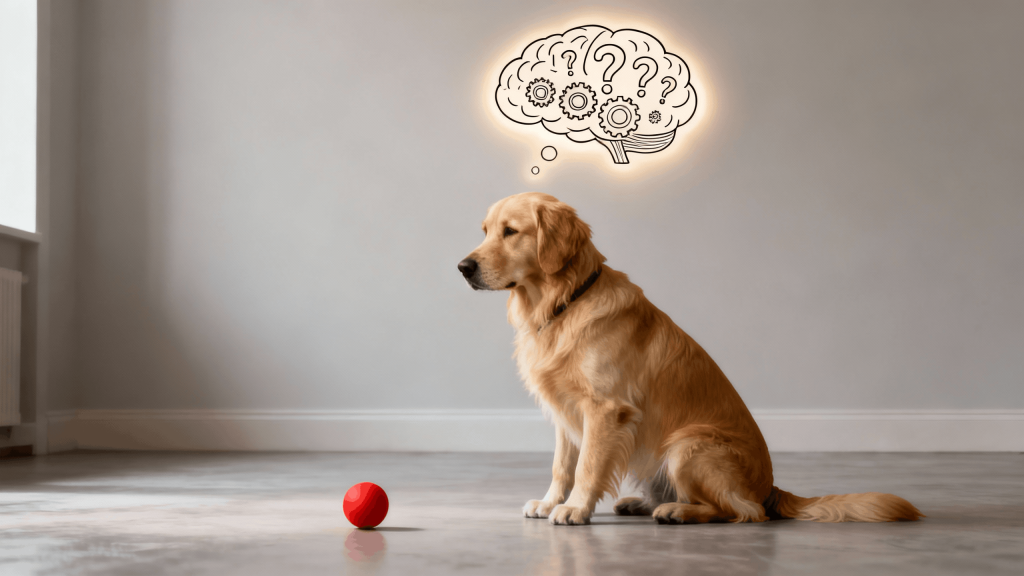
Toys are not neutral objects to pets. They carry sensory information, emotional associations, and learning value. Over time, repeated exposure to the same stimulus leads to a phenomenon known as habituation, a reduced response to something that no longer feels new or informative.
Research in animal behavior shows that once an object no longer provides novelty or reward, motivation to interact with it declines (Wells, 2004). This does not mean the toy has lost all value only that its role has shifted.
At the same time, animals are cautious by nature. Sudden or constant novelty can trigger stress rather than excitement, especially in sensitive pets, seniors, or animals with anxiety tendencies. This is why both familiarity and novelty serve distinct psychological purposes.
Why Familiar Toys Still Matter

Familiar toys provide emotional predictability. Pets often form attachments to certain objects not because they are exciting, but because they are reassuring.
Benefits of familiar toys include:
- Emotional regulation and comfort
- Stress buffering during routine changes (travel, guests, schedule shifts)
- Sleep and rest association
- Reduced anxiety in sensitive or senior pets
Studies in companion animal behavior suggest that familiar objects can lower stress responses by acting as environmental anchors (Horwitz & Neilson, 2007). This is especially true for cats and dogs that use scent as a primary emotional cue.
Removing all familiar toys in favor of constant novelty can unintentionally increase stress, even if the intention is stimulation.
Why Novelty Drives Engagement

Novel toys activate exploratory and problem-solving behavior. New textures, movements, or challenges stimulate the brain’s reward pathways, encouraging investigation and play.
Novelty supports:
- Curiosity-driven behavior
- Cognitive engagement
- Motivation and learning
- Reduced boredom-related behaviors
However, novelty has a short lifespan. Without strategic rotation, even the most exciting toy becomes background noise. This is why novelty works best when introduced intermittently, not continuously.
The Psychology Behind Toy Rotation
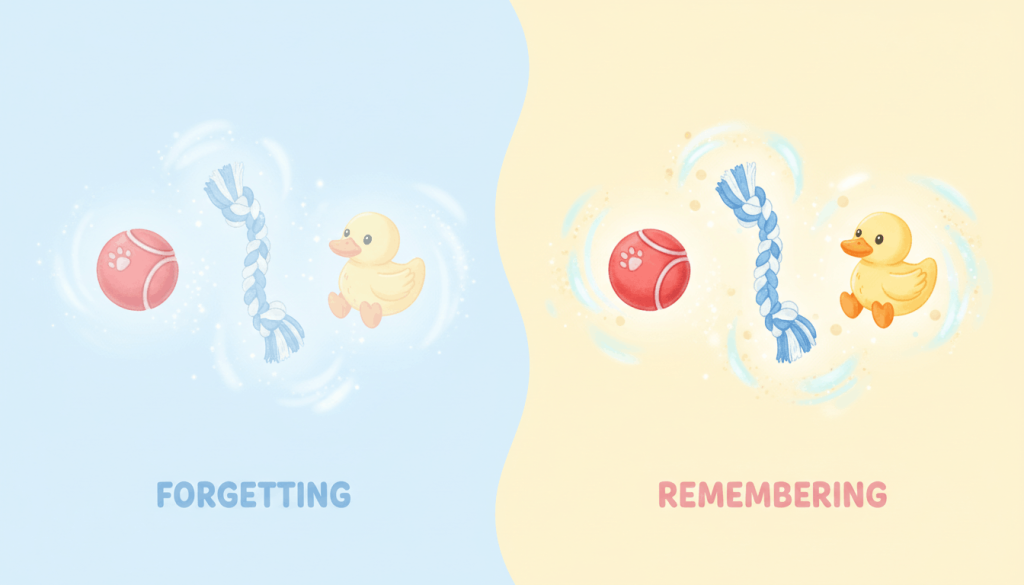
Toy rotation works because it leverages two natural behavioral principles:
- Habituation – interest decreases with constant exposure
- Spontaneous recovery – interest returns after absence
When a toy is removed for a period of time, the pet’s brain partially “resets” its response. Upon reintroduction, the toy regains perceived value—even though it is not truly new.
Research on environmental management in animals shows that rotating objects increases interaction time and behavioral diversity without increasing stress (Ellis, 2009).
How to Rotate Toys the Smart Way
1. Limit Active Toys
Keep 4–6 toys available at one time. Too many choices reduce engagement and can increase restlessness.
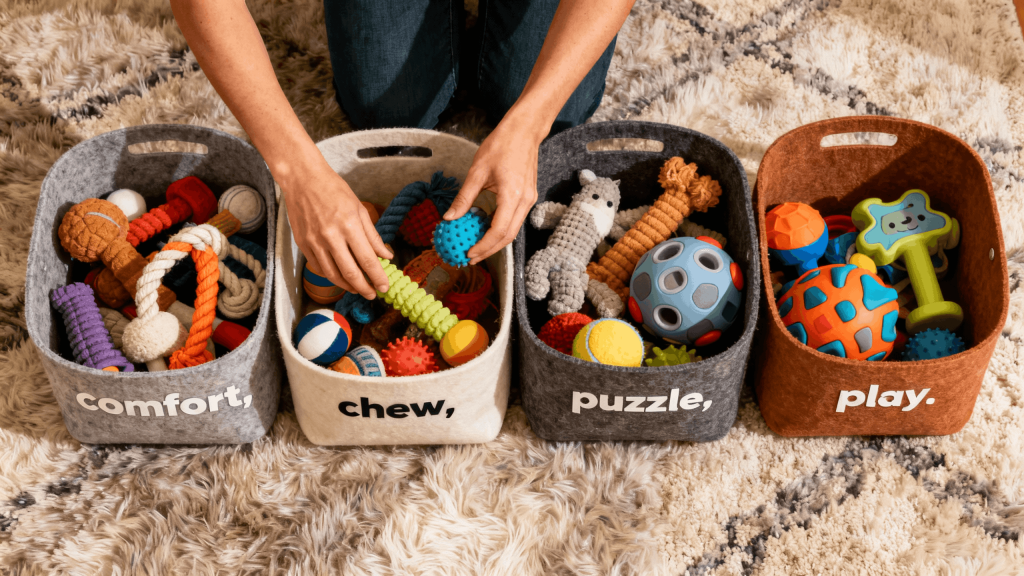
2. Categorize Toys
Rotate by function, not just appearance:
- Comfort toys
- Chew toys
- Interactive or movement-based toys
- Puzzle or food-motivated toys
This ensures balanced stimulation without overload.
3. Rotate Every 7–14 Days
This timeframe aligns with how quickly habituation occurs in most pets. Highly intelligent or food-motivated pets may benefit from slightly more frequent rotation.
4. Always Keep One Familiar Favorite
Especially important for anxious pets, seniors, or cats. This maintains emotional stability while other toys change.
5. Observe, Don’t Assume
Pets communicate preferences clearly through behavior. Track:
- Which toys are revisited eagerly
- Which are ignored even after rotation
- Which toys promote calm vs overexcitement
Adjust rotation based on response, not theory.
Common Rotation Mistakes to Avoid
- Rotating toys daily (prevents attachment and comfort)
- Removing all familiar toys at once
- Introducing too many new toys simultaneously
- Using novelty toys only during overstimulating periods
- Ignoring individual personality differences
Toy psychology is highly individual. What excites one pet may overwhelm another.

Conclusion
Smart toy rotation is not about constant excitement, it’s about intentional balance. Familiar toys provide emotional grounding, while novelty reignites curiosity and engagement. When used together, they support cognitive health, emotional stability, and sustained play motivation.
By rotating toys thoughtfully rather than randomly, pet parents can create an environment that feels both safe and stimulating, meeting psychological needs without excess, stress, or boredom.
References
- Ellis, S. L. H. (2009). Environmental enrichment: Practical strategies for improving feline welfare. Journal of Feline Medicine and Surgery, 11(11), 901–912.
- Horwitz, D. F., & Neilson, J. C. (2007). Canine and Feline Behavior. Blackwell Publishing.
- Landsberg, G., Hunthausen, W., & Ackerman, L. (2013). Behavior Problems of the Dog and Cat. Saunders Elsevier.
- Wells, D. L. (2004). The influence of toys on the behaviour and welfare of kennelled dogs. Animal Welfare, 13(3), 367–373.
- Mendl, M., Burman, O. H. P., & Paul, E. S. (2010). An integrative and functional framework for the study of animal emotion and mood. Proceedings of the Royal Society B, 277(1696), 2895–2904.