Separation Anxiety in Dogs: How to Help Dogs Cope When Alone
Written by MyCern Research & Editorial Team
Separation anxiety in dogs is one of the most common behavior concerns reported by pet parents and trainers worldwide. It can look like nonstop barking, destructive chewing, accidents in the house, or even self-injury when a dog is left alone.
This topic matters because dogs and separation anxiety are closely connected to a dog’s emotional health, nervous system balance, and daily environment. When we understand what is really happening in the brain and body, dog separation anxiety training becomes more effective, kinder, and long lasting.
This article explores
- what separation anxiety in dogs really is from a behavioral science view
- the most common anxiety in dogs symptoms and warning signs
- proven anxious dog training strategies backed by research
- how to help dog with separation anxiety using daily routines and behavior shaping
- how targeted nutritional support from MyCern can fit into a calm focused care plan
Understanding separation anxiety in dogs through behavioral science
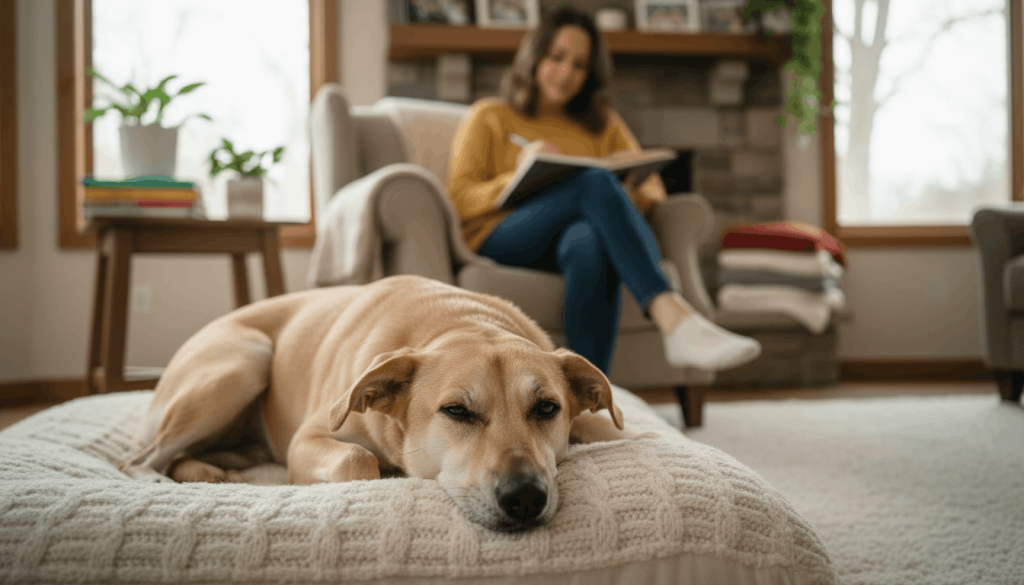
Separation anxiety in dogs is classified as a distress related behavior disorder that occurs when a dog is separated from a primary attachment figure. Research shows that many dogs form a strong social bond with one person in the household, and the sudden absence of that person can trigger panic responses similar to those seen in social mammals.
According to guidance from the American Veterinary Medical Association, anxiety driven behaviors are influenced by both learning history and biological stress responses. This means separation anxiety is not disobedience and not stubbornness. It is a stress reaction.
In the brain, repeated distress activates the hypothalamic pituitary adrenal axis. This leads to increased cortisol release and heightened arousal. Over time, the dog’s nervous system becomes faster at entering a fear state when cues of departure appear such as keys, shoes, or closing doors.
This is why dogs and separation anxiety often develop gradually and become stronger without proper intervention.
Signs of separation anxiety in dogs you should never ignore
Many owners first search online after noticing unusual behaviors while they are away. The most recognized signs of separation anxiety in dogs include
- vocalization such as barking, whining, or dog howling separation anxiety episodes that begin shortly after the owner leaves
- destructive chewing or scratching focused on doors, windows, and exit points
- pacing, circling, and restlessness
- house soiling despite being house trained
- excessive drooling or panting
These anxiety in dogs symptoms usually appear only during absence or just before departure. This timing is one of the clearest indicators that the behavior is separation related rather than boredom or lack of exercise.
Video recordings at home are extremely useful for confirming whether the behavior truly matches separation anxiety.
Why some dogs develop separation anxiety and others do not
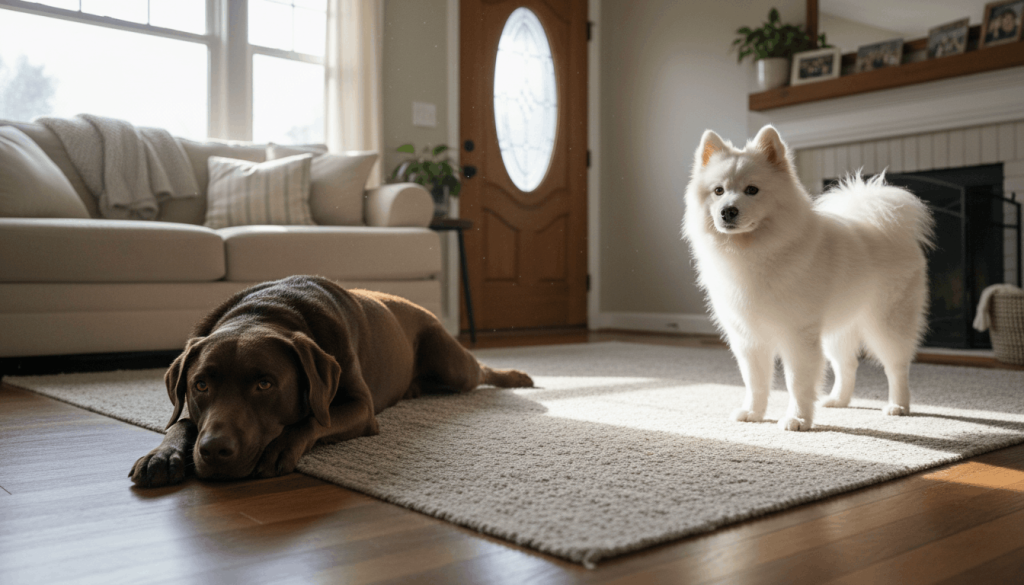
Not all dogs respond to isolation in the same way. Several factors increase vulnerability to separation anxiety
- early life stress or lack of gradual independence training
- sudden changes in routine such as a new job schedule or moving homes
- loss of a family member or another pet
- genetic sensitivity to stress and arousal
Studies also show that dogs adopted from shelters or rehomed multiple times may have higher risk because of repeated attachment disruption. However, many family raised dogs still develop separation anxiety if departure routines are unpredictable or emotionally charged.
The science behind dog separation anxiety training
Effective dog separation anxiety training focuses on changing emotional response, not suppressing behavior.
Modern protocols are based on two learning principles
Graduated exposure
The dog is exposed to very short and safe absences that do not trigger panic. These absences are increased slowly over time. The goal is to keep the dog under threshold so the brain can relearn that being alone is not dangerous.
Desensitization to departure cues
Common triggers such as picking up keys or putting on shoes are practiced repeatedly without leaving. This breaks the learned association between those cues and distress.
This approach is strongly supported by organizations such as the American Society for the Prevention of Cruelty to Animals and is now considered best practice for treating separation anxiety in dogs.
Punishment based methods or scolding after destruction are not recommended. They increase fear and can intensify anxiety in dogs symptoms.
Anxious dog training that actually improves emotional stability
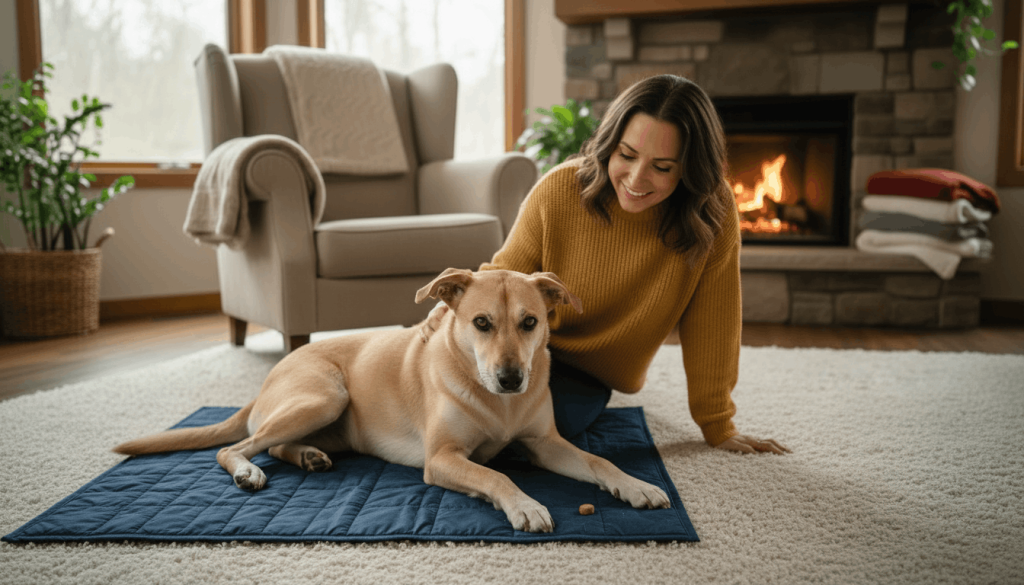
Anxious dog training works best when it builds emotional regulation skills, not just obedience.
Helpful training elements include
- mat training and calm station behaviors
- slow feeding and sniff based enrichment games
- reward based relaxation exercises
- predictable daily schedules
These methods encourage the parasympathetic nervous system, which supports recovery from stress. Over time, dogs become better at settling when environmental stimulation drops, which is critical for alone time success.
How to help dog with separation anxiety at home
Many owners ask for simple daily steps they can apply immediately. The following strategies support formal training programs and can reduce baseline stress.
- keep departures and arrivals emotionally neutral
- avoid dramatic goodbyes that increase anticipatory arousal
- provide long lasting food puzzles that encourage licking and chewing
- maintain consistent walk and feeding schedules
- create a quiet safe resting space away from windows and noise
For dogs showing dog howling separation anxiety, sound masking such as low volume white noise can reduce sudden environmental triggers that may amplify vocal behavior.
Treating separation anxiety in dogs with structured behavior plans
Treating separation anxiety in dogs is most successful when owners follow a written plan and track progress.
A typical plan includes
- starting absence duration that produces no stress
- gradual increase schedule
- weekly reassessment using video observation
- adjustment of daily enrichment and rest periods
It is important to understand that improvement is measured in emotional comfort, not just fewer destroyed objects. Reduced pacing, shorter recovery time after departure, and improved ability to rest are key signs of success.

MyCern fit: Supporting calm behavior and stress resilience
At MyCern, our focus is not on replacing training or professional guidance. Instead, our science driven formulations are designed to support normal nervous system function and stress resilience as part of a broader care strategy.
When dogs experience separation anxiety, their bodies are repeatedly exposed to stress related neurochemical shifts. Nutrients such as magnesium, B complex vitamins, and specific plant derived bioactives have been studied for their role in supporting neurotransmitter balance and oxidative stress control.
Within a responsible routine, MyCern formulations can be integrated alongside anxious dog training and environmental management to help support
- normal neurological signaling
- recovery from daily stress exposure
- behavioral stability during training periods
This approach aligns with our philosophy of supporting biological systems that allow behavior modification programs to work more effectively.
Lifestyle and environment tips that reduce separation related stress
Small lifestyle adjustments can significantly improve outcomes for dogs and separation anxiety.
- schedule regular low arousal exercise such as leash walks and sniffing games rather than only intense play
- avoid overstimulation before departure
- ensure adequate daytime rest, especially for puppies and adolescent dogs
- rotate enrichment items to prevent novelty overload
- maintain consistent sleep schedules
These daily patterns support emotional predictability, which is one of the strongest protective factors against separation related distress.
When professional support is needed
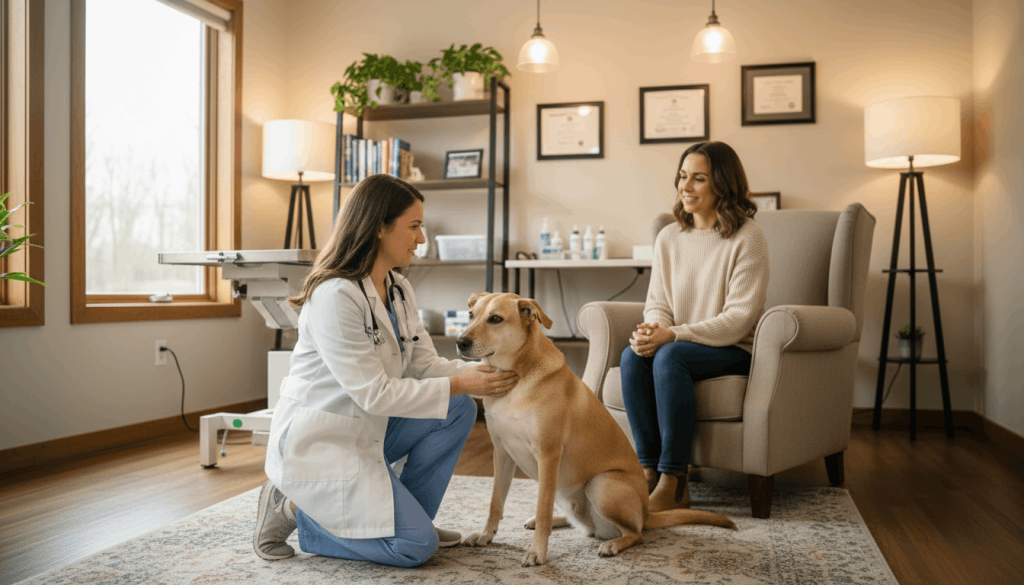
If signs of separation anxiety in dogs include self injury, severe escape attempts, or prolonged panic lasting hours, working with a qualified behavior professional or veterinarian is recommended. In some cases, medication may be considered as part of a comprehensive program to reduce panic enough for learning to take place.
Early intervention dramatically improves long term outcomes and prevents chronic stress patterns.
Conclusion
Separation anxiety in dogs is not a training failure and not a sign of a difficult personality. It is a learned emotional response shaped by biology, environment, and past experience.
With patient dog separation anxiety training, structured exposure, supportive routines, and thoughtful nutritional support, most dogs can learn to feel safe when alone. By recognizing anxiety in dogs symptoms early and applying science based methods for treating separation anxiety in dogs, pet parents can protect both emotional wellbeing and the human dog bond.
Helping dogs cope with time apart is not about forcing independence. It is about teaching calmness, safety, and trust in moments when their favorite people are temporarily away.
References
- Overall, K. (2013). Manual of clinical behavioral medicine for dogs and cats-E-Book: manual of clinical behavioral Medicine for dogs and cats-E-Book. Elsevier Health Sciences.
- Appleby, D., & Pluijmakers, J. (2003). Separation anxiety in dogs: the function of homeostasis in its development and treatment. Veterinary Clinics: Small Animal Practice, 33(2), 321-344.
- McGreevy, P. D., Wilson, B., Starling, M. J., & Serpell, J. A. (2018). Behavioural risks in male dogs with minimal lifetime exposure to gonadal hormones may complicate population-control benefits of desexing. PloS one, 13(5), e0196284.
- Tiira, K., & Lohi, H. (2015). Early life experiences and exercise associate with canine anxieties. PloS one, 10(11), e0141907.
- Landsberg, G., Hunthausen, W., & Ackerman, L. (2012). Behavior problems of the dog and cat. Elsevier Health Sciences.