Upper Respiratory Infections in Cats: Why Sneezing and Watery Eyes Matter
Written by MyCern Research & Editorial Team
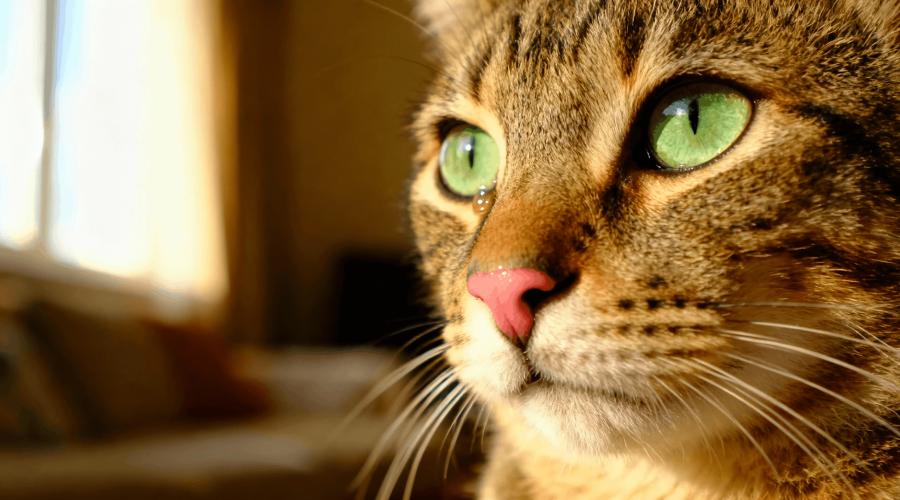
Sneezing and watery eyes in cats are often brushed off as minor irritations or seasonal sensitivities. However, these signs frequently reflect involvement of the upper respiratory tract and may signal viral infections that can persist or recur over time. In cats, upper respiratory infections (URIs) are not just short-term illnesses, they are closely tied to immune resilience, stress levels, and living environment.
Because many feline respiratory viruses remain dormant after initial exposure, understanding how immunity and household dynamics influence flare-ups is key to long-term respiratory comfort.
This article explores:
- What feline upper respiratory infections involve
- Why viruses are the primary drivers
- How immunity and stress influence recurrence
- Why multi-cat households increase risk
- Daily considerations that support respiratory resilience
What Are Upper Respiratory Infections in Cats?
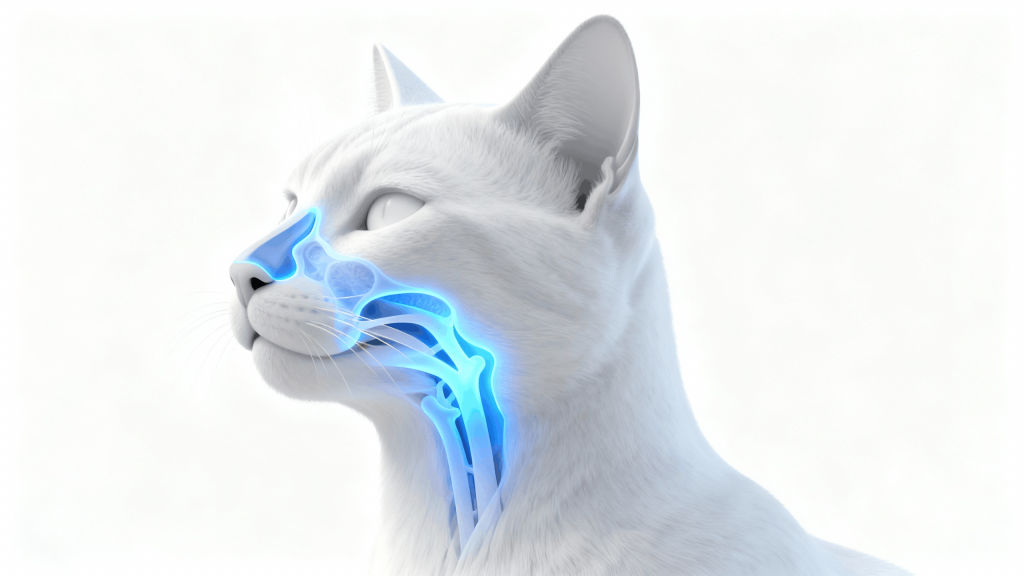
Feline upper respiratory infections affect the nose, sinuses, throat, and eyes. Unlike bacterial infections, most URIs in cats are caused by viruses that infect mucosal surfaces and epithelial cells.
Common clinical signs include sneezing, nasal discharge, conjunctivitis, and watery or inflamed eyes. Severity ranges from mild irritation to significant congestion that interferes with eating and smell.
Viral Causes and Lifelong Persistence
The majority of feline URIs are associated with viral pathogens, particularly feline herpesvirus-1 (FHV-1) and feline calicivirus (FCV). Once infected, cats often carry these viruses for life.
During periods of immune suppression or stress, dormant viruses may reactivate, leading to recurrent symptoms even without new exposure.
The Role of the Immune System
The immune system determines whether viral exposure results in mild, transient signs or prolonged illness. Robust mucosal immunity helps limit viral replication and reduces symptom duration.
However, immune resources can be diverted by stress, poor nutrition, or concurrent illness, lowering resistance and allowing viral reactivation.
Stress as a Trigger for Flare-Ups
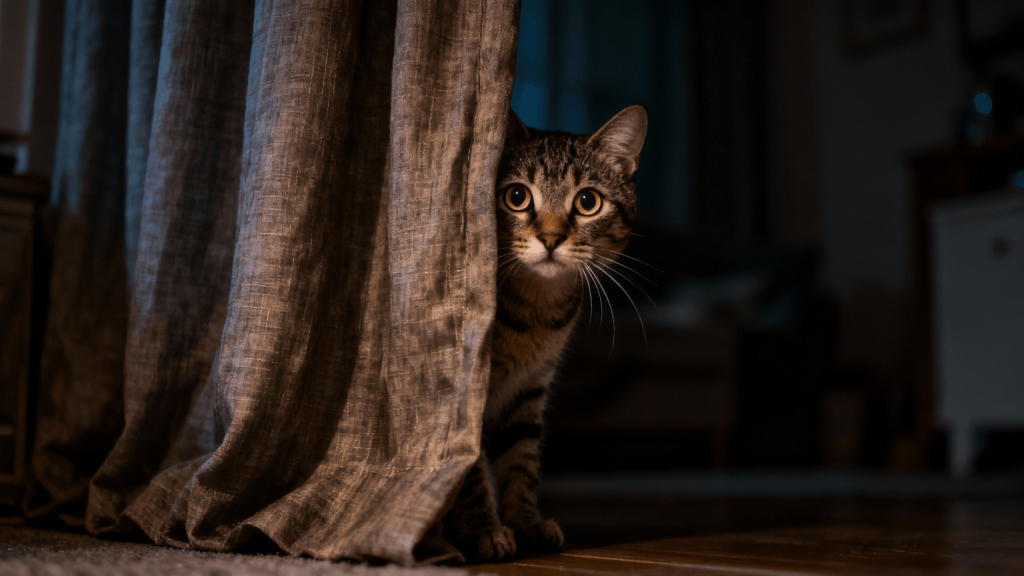
Stress has a direct impact on immune signaling in cats. Environmental changes, social tension, or disruptions in routine can suppress immune function, making respiratory tissues more vulnerable.
Stress-related immune shifts are a common reason why symptoms recur without obvious new infection.
Multi-Cat Households and Exposure Risk

Cats living in multi-cat environments face higher exposure due to shared airspace, litter boxes, and feeding areas. Close proximity increases viral transmission, particularly when one cat is actively shedding virus.
Even clinically healthy cats may spread virus intermittently, contributing to household-wide exposure cycles.
Why Sneezing and Eye Discharge Should Not Be Ignored
Upper respiratory symptoms affect more than comfort. Nasal congestion reduces a cat’s sense of smell, which can suppress appetite and reduce food intake.
Persistent eye irritation may also lead to secondary complications if left unaddressed, emphasizing the importance of early recognition.
Long-Term Support Considerations

Managing feline URIs focuses on supporting immune balance and reducing environmental stressors rather than eliminating viruses entirely. Stable routines, reduced crowding, and supportive care help limit flare-ups.
Consistency in daily care plays a central role in minimizing symptom recurrence.
When Veterinary Evaluation Is Important
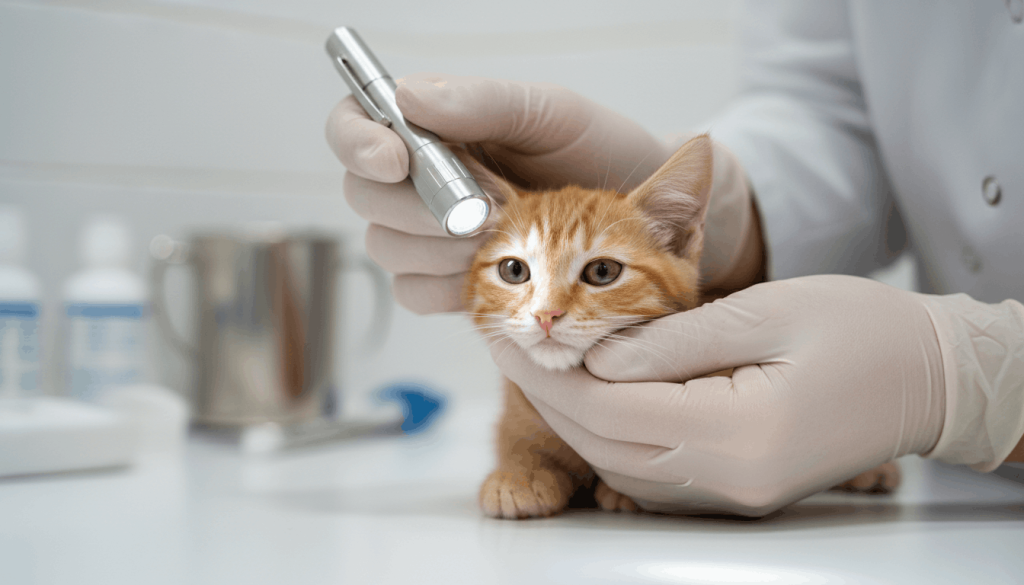
Cats with prolonged sneezing, thick nasal discharge, lethargy, or reduced appetite should be evaluated promptly. Kittens, senior cats, and immunocompromised individuals are particularly vulnerable to complications.
Early assessment supports better symptom control and protects long-term respiratory health.
Conclusion
Sneezing and watery eyes in cats are often signs of underlying viral activity shaped by immune resilience and environmental stress. In multi-cat households, exposure dynamics further influence recurrence. By understanding the biology behind feline upper respiratory infections, cat owners can recognize early signs and support long-term respiratory comfort through awareness, stability, and proactive care.
References
- Gaskell, R., Dawson, S., Radford, A., & Thiry, E. (2007). Feline herpesvirus. Veterinary research, 38(2), 337-354.
- Radford, A. D., et al. (2009). Feline calicivirus. Veterinary Research, 40(2), 1–15.
- Hartmann, K. (2009). Feline upper respiratory tract disease.
- Bannasch, M. J., & Foley, J. E. (2005). Epidemiologic evaluation of multiple respiratory pathogens in cats. Journal of Feline Medicine and Surgery, 7(2), 109–119.
- Evermann, J. F., & Kennedy, M. A. (2010). Viral infections. Small animal pediatrics, 119.