Understanding the Meaning of Cat Ears: Reading Feline Ear Language and Emotional Signals
Written by MyCern Research & Editorial Team
Have you ever wondered what your cat is trying to tell you just by moving their ears? Learning the meaning of cat ears is one of the easiest ways to understand how your cat feels in real time.
Cats rely heavily on ear movement to communicate comfort, stress, curiosity, fear, and irritation. When you learn how to read cat ear positions, you can avoid unwanted bites, stop petting at the right moment, and create a calmer, safer environment for your cat.
This article explains:
- How cat ears communicate emotions
- The most common cat ear positions explained in simple language
- The real cat ears down meaning and when to worry
Why Cat Ears Are So Expressive
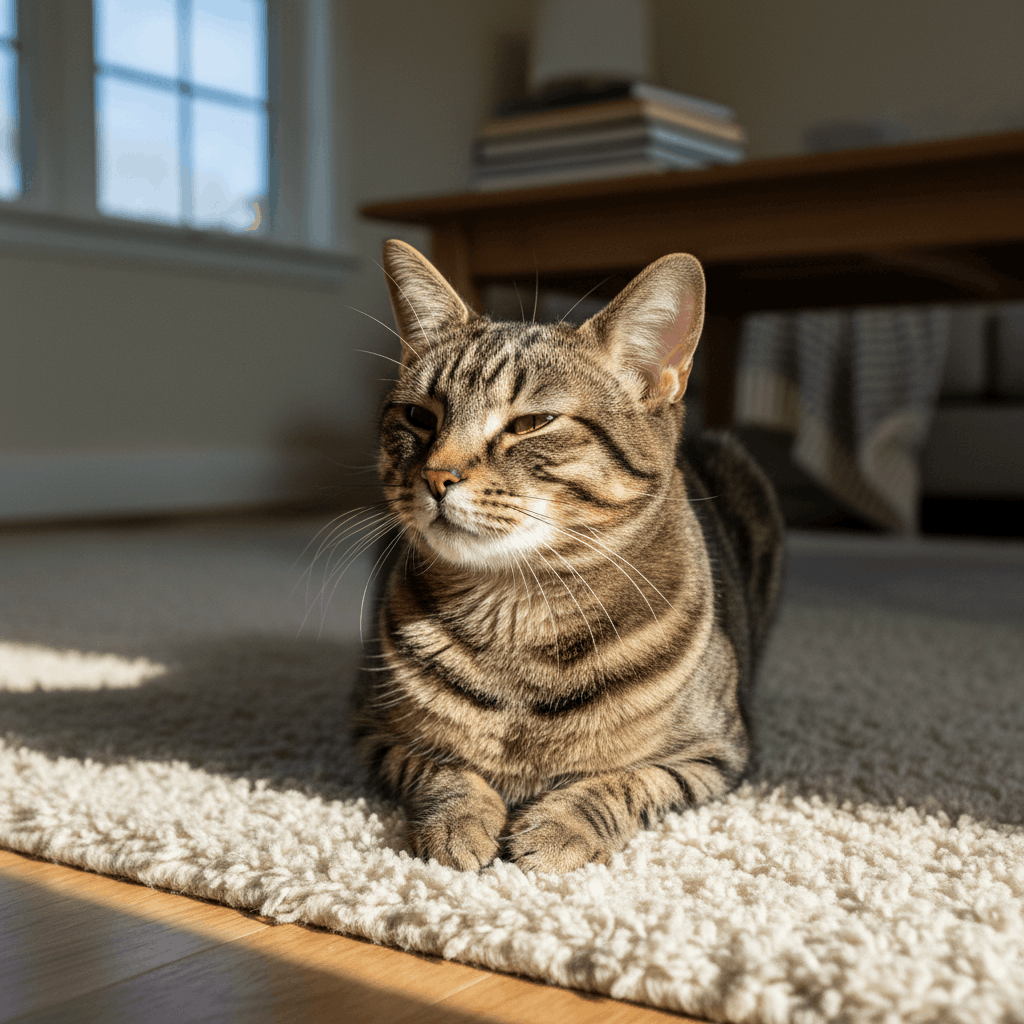
Cats have more than 30 small muscles controlling each ear. This allows each ear to rotate, tilt, and move independently.
This incredible mobility helps cats locate sounds but it also makes their ears powerful emotional signals.
When a cat feels relaxed, the ear muscles stay neutral.
When stress, fear, or excitement rises, the ears move automatically. Cats do not choose these positions on purpose, your cat’s ears reflect what they are feeling in that exact moment.
That is why ear language is honest and reliable.
Cat Ear Positions Explained: A Simple Guide
Understanding the meaning of cat ears becomes easy when you focus on a few common patterns.
Forward and Upright Ears
This is the most relaxed and natural position.
It usually means your cat is:
- Calm and comfortable
- Gently curious
- Feeling safe in their surroundings
You’ll see this during resting, quiet play, or when your cat greets someone they trust.
Slightly Forward and Very Alert
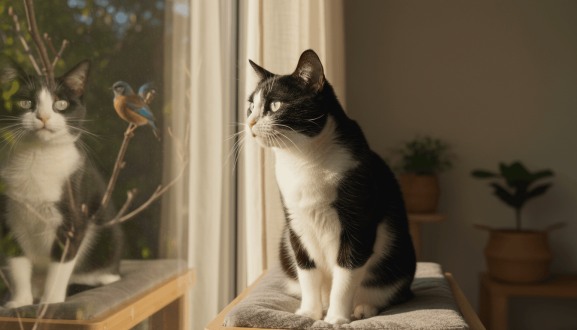
When the ears are pushed a little forward and look very sharp or “pricked,” your cat is highly focused.
This position appears when:
- Watching birds or insects
- Tracking toys
- Preparing to jump or chase
This is attention, not stress.
Ears Turned Back but Not Flat
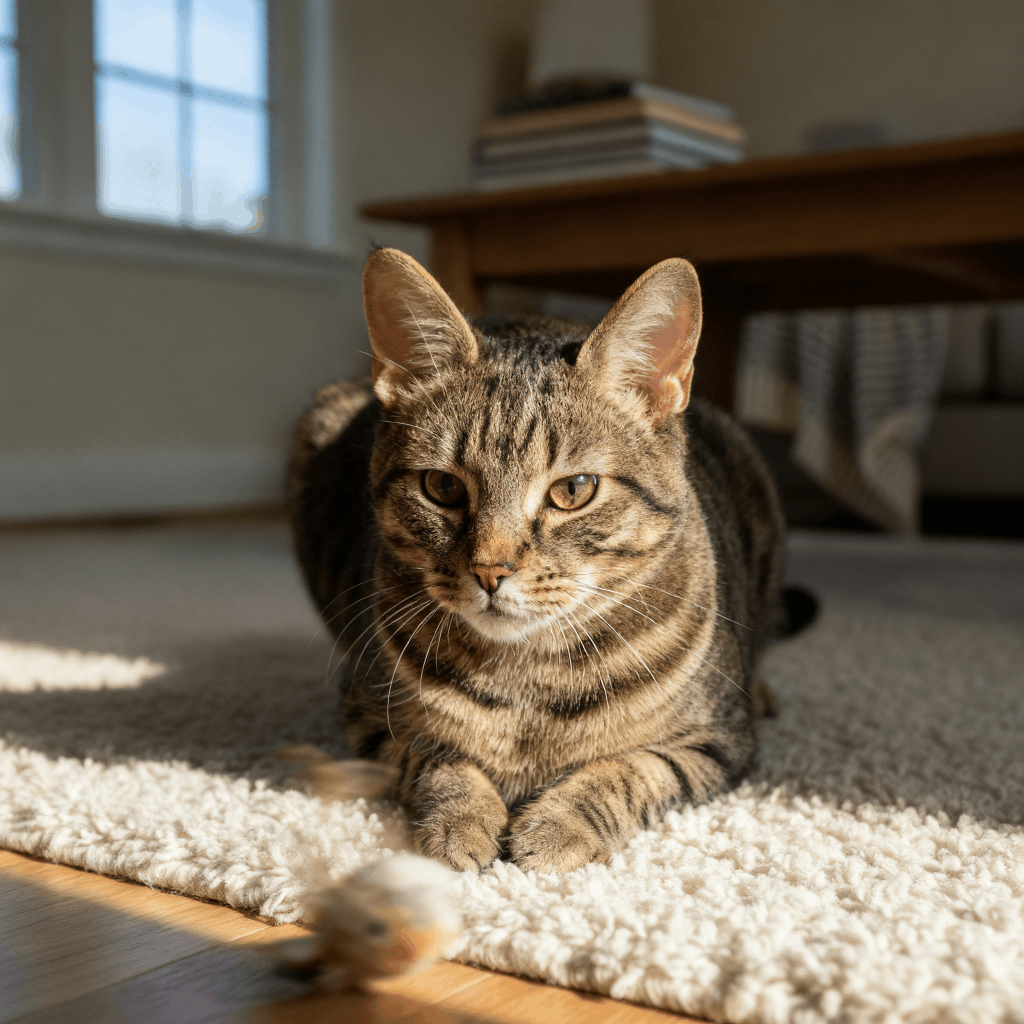
This is one of the most important cat ear positions to notice.
It usually means:
- Mild irritation
- Uncertainty
- A polite warning that your cat is losing patience
During petting, this is often the first sign your cat wants you to stop.
This position is part of the early cat ears down meaning, but it is still a low-level warning.
Airplane or Sideways Ears
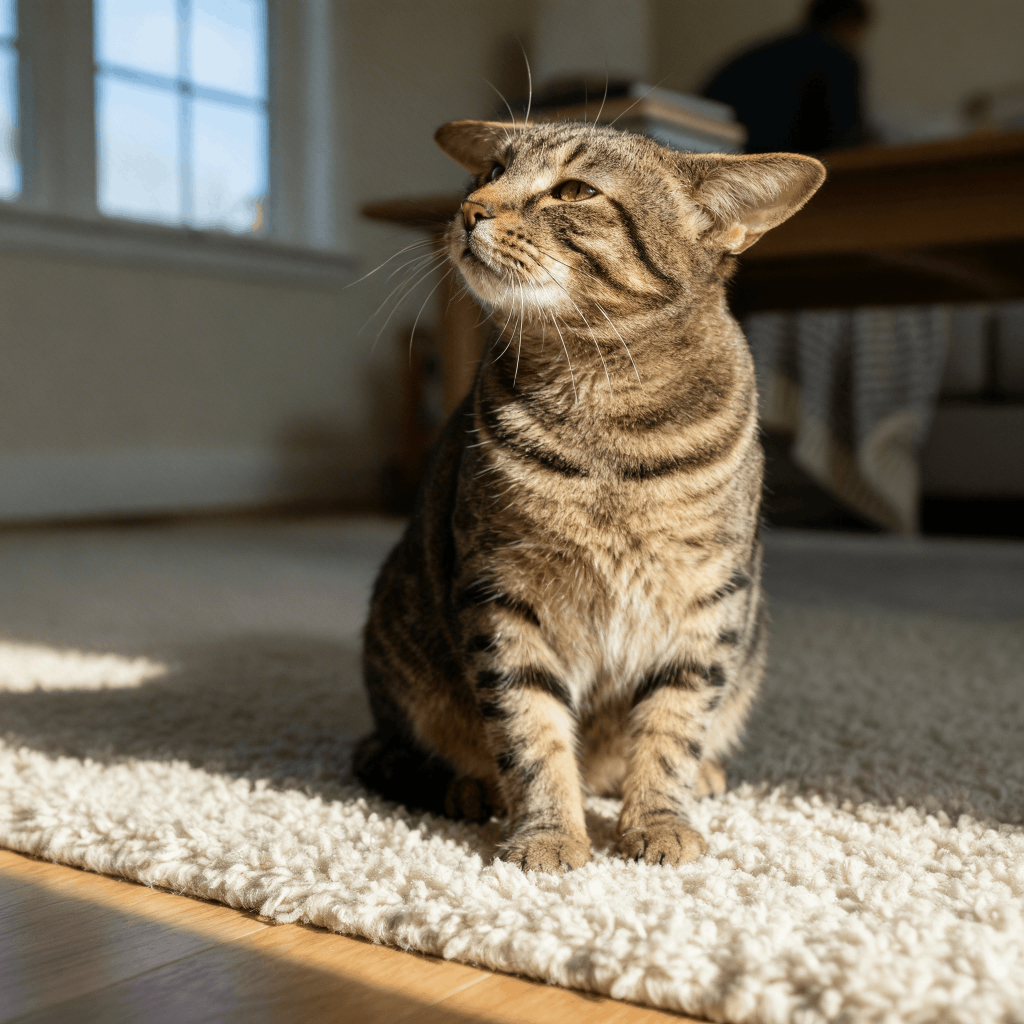
When the ears rotate out to the sides, your cat is becoming uncomfortable.
This often means:
- Stress
- Overstimulation
- Uncertainty about what might happen next
You may see this during car rides, vet visits, loud noises, or new environments.
Ears Flattened Against the Head
This is the classic and most serious cat ears down meaning.
When ears are pressed tightly to the head, your cat is:
- Afraid
- Feeling threatened
- Preparing to defend themselves if needed
Flattening the ears also protects them during conflict.
This position means your cat needs space immediately.
Fast Twitching or Swiveling Ears
When ears move quickly in different directions, your cat is processing many sounds at once.
This usually means:
- Heightened alertness
- Sensory overload
- Conflicting information in the environment
It is common in busy homes or multi-pet households.
Cat Ears Down Meaning: Fear or Defensive Behavior?
Many owners ask about the true cat ears down meaning. The key is to look at the rest of the body.
A fearful cat usually shows:
- Crouched body
- Tail tucked close
- Wide pupils
- Flattened ears held tightly back
A defensively aggressive cat may show:
- Tense or forward-leaning body
- Tail lashing
- Direct staring
- Flattened ears with intense posture
In both cases, your cat feels unsafe. The correct response is distance and calm, not touching.
Common Situations That Trigger Defensive Ear Positions
You will often notice the strongest cat ear positions during:
- Vet visits
- Conflicts with other pets
- Loud or sudden noises
- Overhandling or long petting sessions
Watching ear movement helps you stop interactions before stress becomes aggression.
Reading Ear Positions with the Whole Body
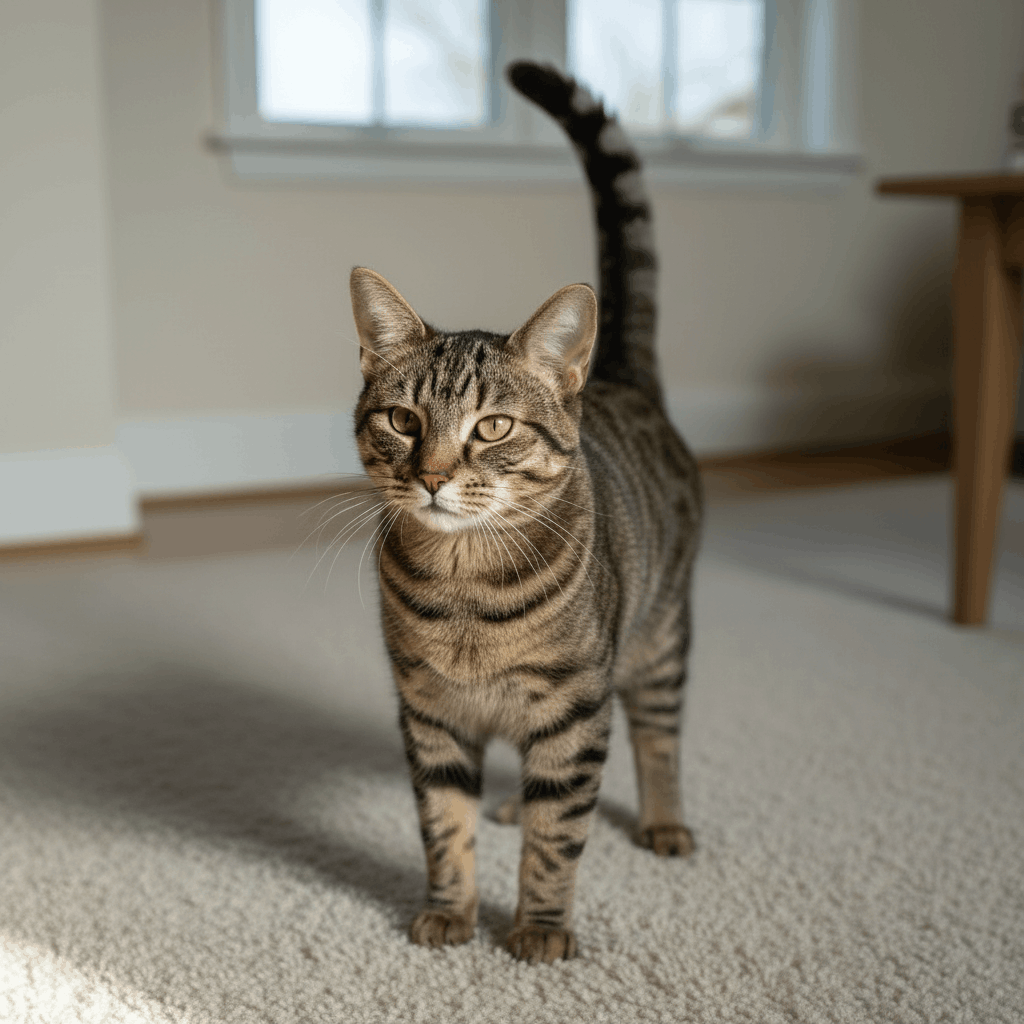
For accurate cat ear positions explained, never rely on ears alone.
Always consider:
- Tail movement
- Body tension
- Pupil size
- Whisker position
- Vocal sounds
For example, forward ears with a loose body mean comfort.
Forward ears with a stiff body and fast tail mean hunting or play intensity.
The ears are one piece of the emotional picture.
Common Misunderstandings
Some ear positions confuse owners.
- Forward ears during rough play do not mean aggression. Your cat is playing.
- Partially flattened ears during sleep can be simple comfort.
- One ear forward and one backward usually means your cat is listening in two directions.
Context always matters when learning the meaning of cat ears.
When Ear Position May Signal a Health Problem
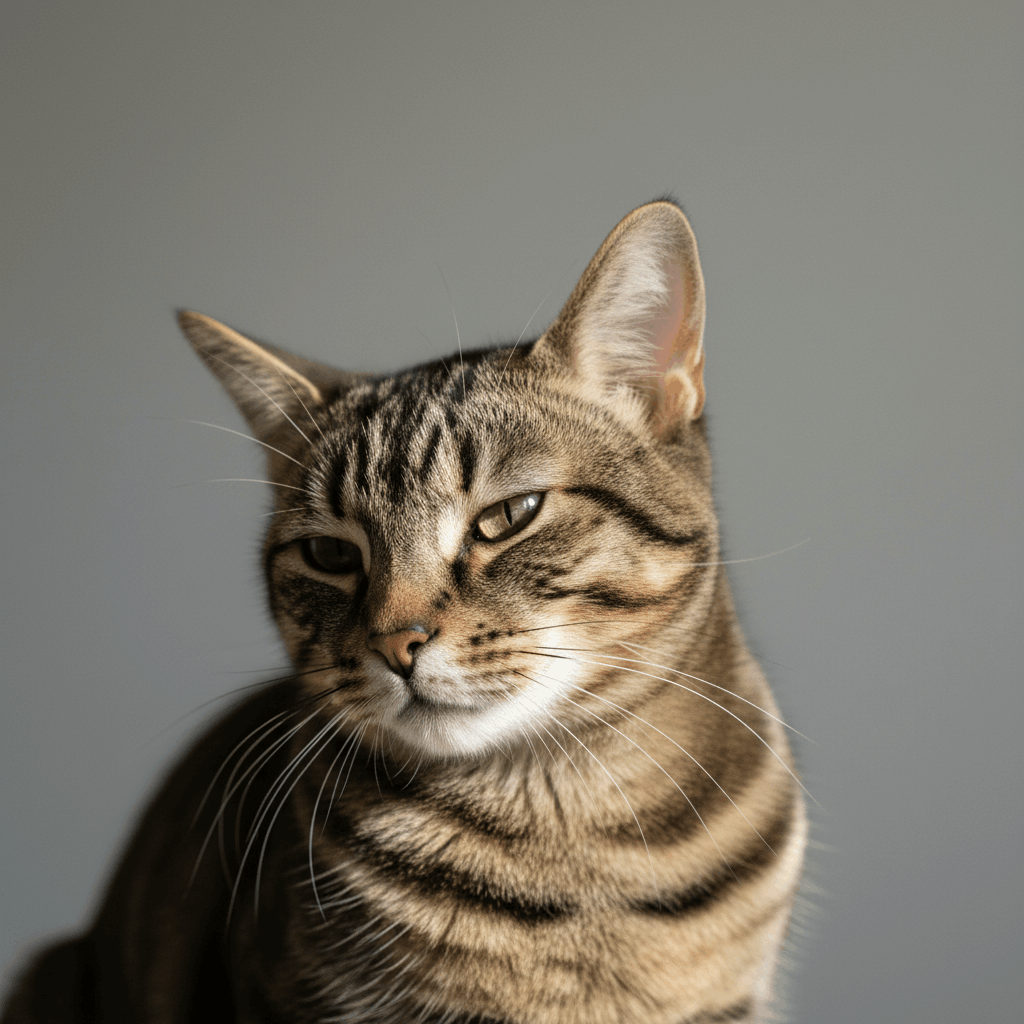
Not every ear position is emotional.
Contact a veterinarian if you notice:
- One ear constantly drooping
- Ongoing head tilt with unusual ear posture
- Pain when the ear is touched
- Frequent head shaking or intense scratching
These signs may indicate infection, injury, or balance disorders.
How MyCern Supports Calm and Healthy Feline Living
At MyCern, we believe emotional wellbeing and physical wellness are deeply connected. Learning to read the meaning of cat ears helps reduce unnecessary stress, improves daily interactions, and supports a calmer home environment.
By recognizing early warning signals such as backward-rotating ears or airplane ears, you can adjust handling, reduce overstimulation, and create routines that respect your cat’s emotional needs. A low-stress lifestyle supports healthy behavior patterns and complements responsible nutrition and wellness care.
Practical Tips for Using Cat Ear Language
- Learn your cat’s natural relaxed ear position
- Watch changes, not just final positions
- Stop petting when ears rotate backward
- Give space when ears turn sideways or flatten
- Teach children to recognize defensive ear signals
- Remember that some cats may show limited ear movement due to past injuries or ear shape

Conclusion
Understanding the meaning of cat ears gives you one of the clearest windows into your cat’s emotional world. From relaxed forward ears to the unmistakable cat ears down meaning that signals fear or defensive stress, ear movement allows you to respond before problems begin.
By learning cat ear positions explained in this guide and combining them with full-body observation, you become better at recognizing comfort, irritation, playfulness, and anxiety. The result is safer handling, fewer misunderstandings, and a stronger, more trusting relationship built on respect for your cat’s natural communication system.
References
- Bradshaw, J., & Cameron-Beaumont, C. (2000). The signalling repertoire of the domestic cat and its undomesticated relatives.
- Rosenblatt, J. S. (1980). Cat Behavior. The Predatory and Social Behavior of Domestic and Wild Cats.
- Shreve, K. R. V., & Udell, M. A. (2017). Stress, security, and scent: The influence of chemical signals on the social lives of domestic cats and implications for applied settings. Applied animal behaviour science, 187, 69-76.
- Bradshaw, J. W. (2012). The behaviour of the domestic cat. Cabi.