Why Do Cats Hide Illness? A Guide to Feline Survival Instincts
Written by MyCern Research & Editorial Team
Cats have a remarkable ability to appear calm, independent, and unaffected, even when something isn’t quite right. Many cat owners are surprised to learn that by the time obvious symptoms appear, an underlying issue may have already been present for weeks or months. This isn’t stubbornness or mystery, it’s biology.
Cats evolved as both predators and prey, and showing weakness historically increased risk. As a result, modern domestic cats still rely on deeply ingrained survival instincts that lead them to hide pain, discomfort, and illness. Learning how and why cats mask illness can help owners notice early changes and support their cat’s health more proactively.
This article explores:
- Why cats instinctively hide signs of illness
- How feline physiology and behavior contribute to masking
- Subtle physical and behavioral changes to watch for
- Why small changes often matter more than dramatic symptoms
- When quiet signals should prompt a veterinary visit
The Evolutionary Roots of Illness Masking in Cats

In the wild, visible weakness can make an animal vulnerable. Cats evolved to maintain a composed exterior even when injured or unwell.
This survival strategy involves:
- Suppressing outward signs of pain
- Reducing activity without drawing attention
- Withdrawing quietly rather than vocalizing distress
Unlike dogs, which often seek help or reassurance when uncomfortable, cats tend to self-isolate and minimize movement, making changes easy to miss in a home environment.
Feline Pain Perception and Expression
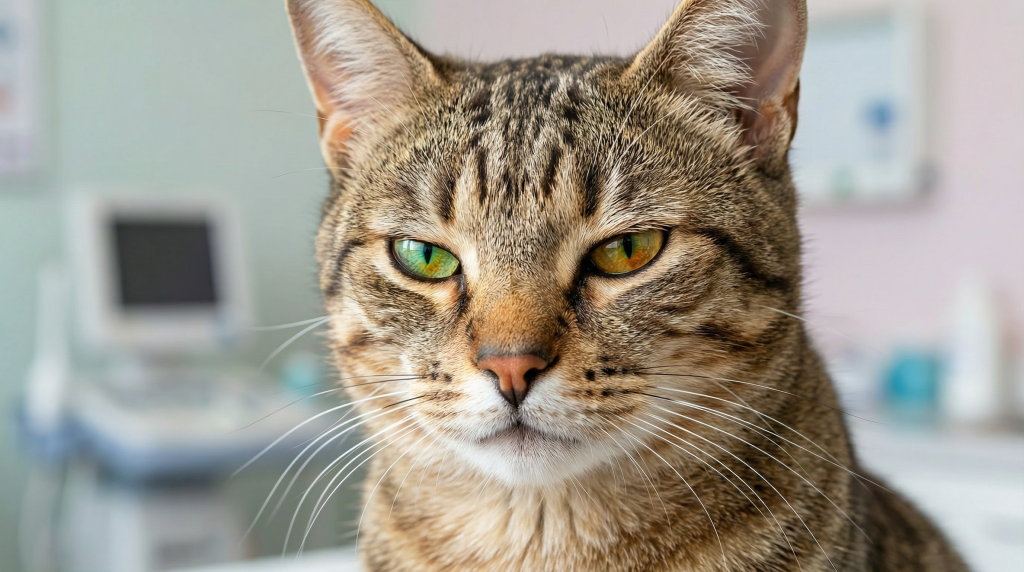
Cats experience pain similarly to other mammals, but they express it differently.
Physiological factors include:
- High pain tolerance thresholds
- Stress-related suppression of outward responses
- Subtle autonomic nervous system changes rather than vocal cues
Instead of limping or crying, cats are more likely to adjust posture, grooming habits, or daily routines—small shifts that can be mistaken for “normal cat behavior.”
Behavioral Changes That Often Go Unnoticed

Because cats are creatures of habit, any consistent deviation from routine is meaningful, even if it seems minor.
Subtle behavioral signs to watch for:
- Sleeping more or choosing different resting locations
- Reduced interest in play or interaction
- Sitting hunched or loafing more frequently
- Withdrawing from family members
- Changes in tolerance for handling or petting
These behaviors often appear gradually, which is why they’re frequently overlooked.
Appetite, Water Intake, and Litter Box Clues

Some of the most reliable early indicators of illness are linked to daily maintenance behaviors.
Eating and Drinking
- Eating slightly less—or more slowly
- Preferring softer foods
- Increased or decreased water intake
Litter Box Habits
- Smaller or less frequent urine clumps
- Straining, hesitation, or vocalizing
- Changes in stool consistency or frequency
Because cats prefer privacy, litter box changes may be one of the only visible signs something is wrong.
Grooming Changes: Too Much or Too Little
Healthy cats groom consistently. Changes at either extreme can signal discomfort.
- Over-grooming may indicate skin irritation, stress, or pain
- Reduced grooming can be linked to joint stiffness, dental discomfort, or low energy
Pay special attention to areas that suddenly look unkempt, matted, or excessively licked.
Facial Expressions and Subtle Postural Shifts
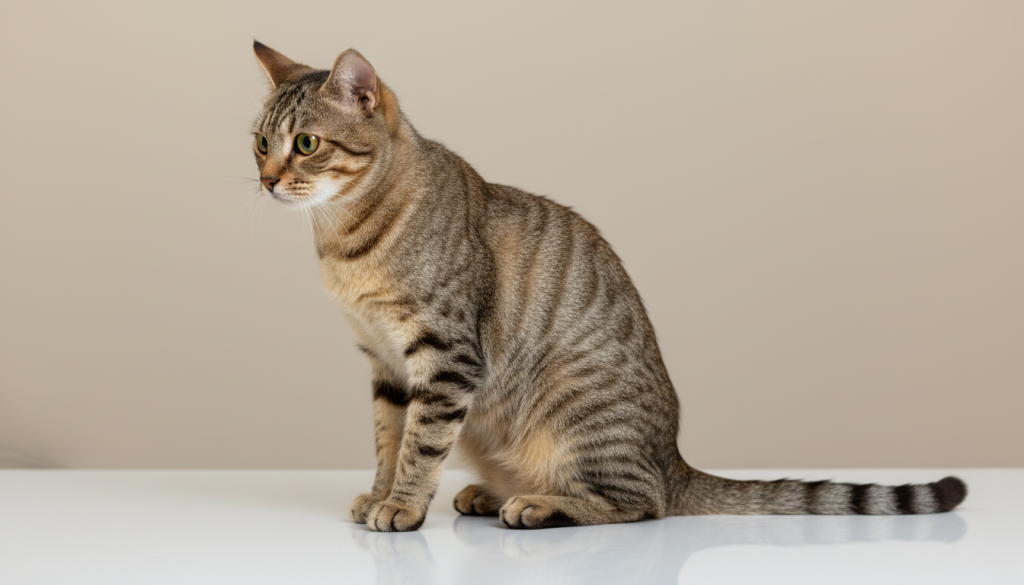
Veterinary researchers have identified specific pain-related expressions in cats, sometimes referred to as “feline grimace” indicators.
These may include:
- Squinted or partially closed eyes
- Flattened or rotated ears
- Tense muzzle or whiskers held closer to the face
- Reluctance to jump or climb
Postural changes, such as stiffness when standing or hesitation before jumping, are often early indicators of discomfort.
Sleep Pattern Changes and Quiet Distress
Cats sleep many hours each day, but how and when they sleep matters.
Potential warning signs include:
- Increased sleep during unusual hours
- Restlessness or frequent position changes
- Sleeping in isolated or hidden areas
Senior cats, in particular, may show nighttime vocalization or confusion as an early sign of cognitive or sensory changes.
Why Early Detection Matters More in Cats

Because cats mask illness so effectively, conditions are often diagnosed later compared to other pets. Early detection can:
- Improve comfort and quality of life
- Allow gentler, less invasive interventions
- Reduce stress associated with sudden illness
Routine observation, not constant monitoring, is one of the most powerful tools a cat owner has.
When Subtle Signs Should Prompt a Vet Visit
Trust patterns, not single moments.
Seek veterinary guidance if you notice:
- Changes lasting more than a few days
- Multiple small changes occurring together
- Gradual but consistent behavioral shifts
- Any change accompanied by weight loss, vomiting, or litter box avoidance
You know your cat’s “normal.” Deviations from that baseline are meaningful.
References
- Merola, I., & Mills, D. S. (2016). Behavioural indicators of pain in cats. Journal of Feline Medicine and Surgery, 18(6), 433–446.
- Robertson, S. A. (2008). Managing pain in feline patients. Veterinary Clinics of North America: Small Animal Practice, 38(6), 1267–1290.
- Bradshaw, J. W. S., et al. (2012). Social and physical factors affecting feline behaviour. Journal of Feline Medicine and Surgery, 14(7), 493–502.
- Landsberg, G. M., et al. (2010). Clinical signs and management of age-related cognitive dysfunction in cats. Journal of Veterinary Behavior, 5(2), 87–94.
Conclusion
Cats aren’t aloof when they hide illness, they’re following ancient survival instincts. By understanding how cats communicate discomfort through subtle changes rather than obvious symptoms, owners can become more attentive, confident observers.
Noticing small shifts in behavior, routine, or appearance isn’t about worrying, it’s about awareness. And in feline health, awareness often makes all the difference.