
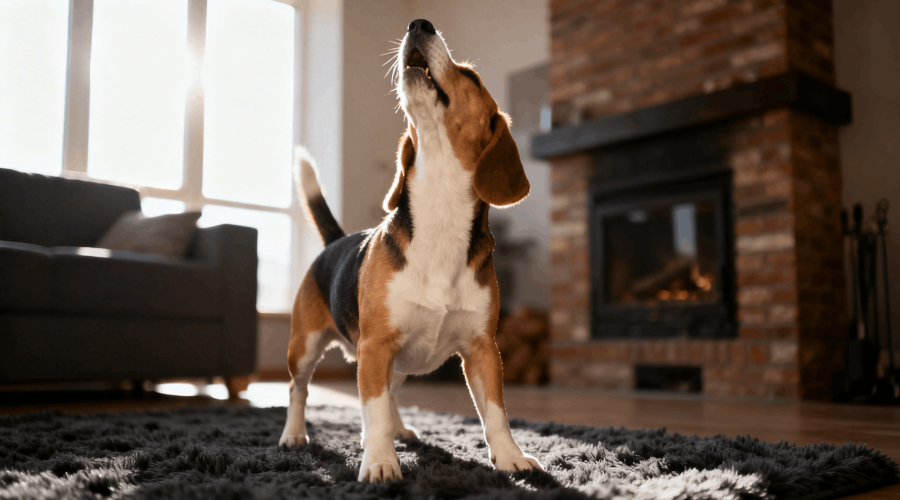
Why Does My Dog Reverse Sneeze? The Honking Sound Explained and When to Worry
Written by MyCern Research & Editorial Team
If your dog suddenly makes a loud snorting or honking sound, pulls its neck forward, and appears to struggle for air, you may wonder: why do dogs reverse sneeze and is it dangerous?
This unusual breathing episode can be alarming, especially for first-time pet owners.
This article explores:
- what reverse sneezing in dogs actually is and why it happens
- common triggers behind the familiar dog honking sound
- simple, science-informed dog reverse sneeze treatment strategies at home
- when reverse sneezing may signal an underlying health issue
What is reverse sneezing in dogs?
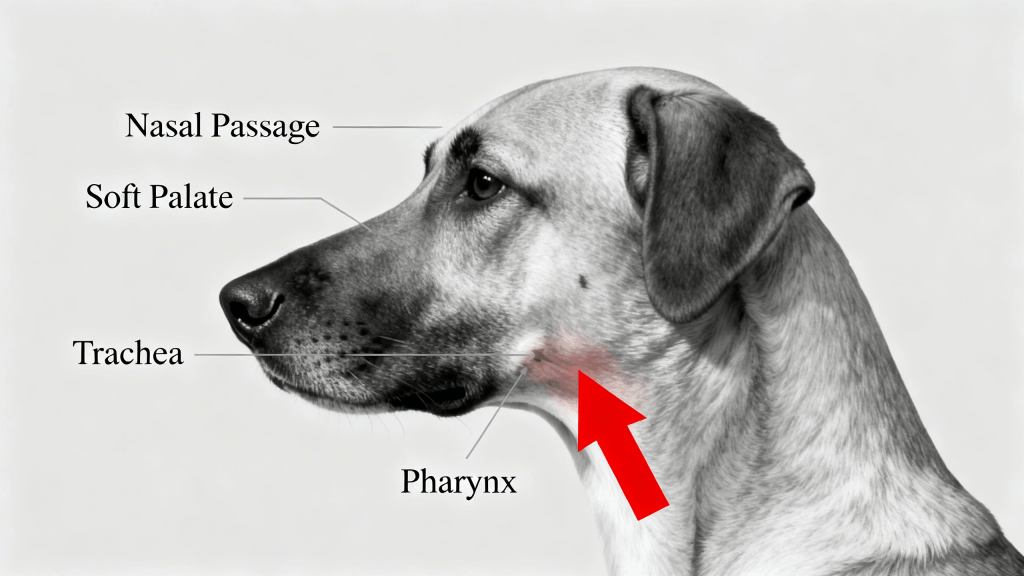
Reverse sneezing in dogs also called inspiratory paroxysmal respiration, is a reflex in which a dog rapidly pulls air inward through the nose instead of pushing it out as in a normal sneeze.
During an episode, dogs typically:
- extend their neck
- flare their elbows outward
- make repeated snorting or honking sounds
This explains why many owners describe it as a dog reverse cough or a goose-like honk.
From a physiological perspective, the event is caused by irritation or stimulation of the nasal passages and the back of the throat, triggering a protective reflex to clear the airway.
Why do dogs reverse sneeze?
Pet owners often ask both why do dogs reverse sneeze and why do dogs backward sneeze. These phrases describe the same reflex.
The most common triggers include:
Mild upper airway irritation
Dust, pollen, smoke, perfume, and cleaning products can stimulate sensitive nasal tissue and initiate a reverse sneeze episode.
Post-nasal drainage and throat sensitivity
Mucus accumulation at the back of the nasal cavity can activate the reflex that causes dogs to inhale sharply.
Excitement or sudden activity
Episodes often occur when dogs become over-stimulated—such as during greetings, play, or leash walks.
Anatomical factors
Small and short-nosed breeds (such as Pugs, Bulldogs, and Shih Tzus) are more likely to experience reverse sneezing due to narrower nasal and pharyngeal passages.
Why do dogs reverse cough and make a honking sound?
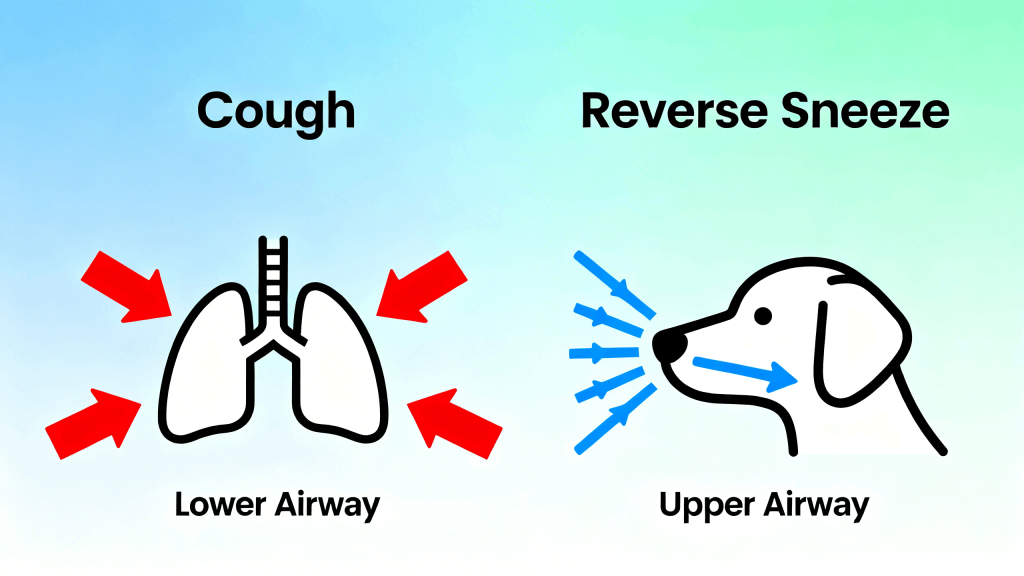
Many owners search for why do dogs reverse cough or describe the noise as a cough rather than a sneeze.
However, reverse sneezing is different from coughing:
- coughing originates from the lower airway and lungs
- reverse sneezing originates in the nose and upper throat
The characteristic dog honking sound occurs when airflow is repeatedly pulled through a temporarily narrowed upper airway.
Is reverse sneezing in dogs normal?
In most healthy dogs, reverse sneezing in dogs is considered benign and self-limiting.
Scientific clinical observations show that:
- episodes usually last a few seconds to one minute
- dogs return to normal behavior immediately afterward
- no long-term effects are observed in otherwise healthy animals
This is why veterinarians often reassure owners that occasional reverse sneezing is not dangerous.
Common causes behind reverse sneezing in dogs
When owners ask why do dogs backward sneeze, the underlying causes usually fall into the following categories:
Environmental triggers
- pollen and seasonal allergens
- household dust
- smoke and aerosols
Upper airway sensitivity
- mild inflammation of the nasal passages
- soft palate or pharyngeal irritation
Structural factors
- elongated soft palate
- narrow nasal passages
- breed-related airway conformation
When reverse sneezing may signal a problem
Although most cases are harmless, repeated or worsening episodes deserve attention.
Reverse sneezing may require veterinary evaluation if:
- episodes become more frequent or severe
- nasal discharge, sneezing, or coughing also appear
- your dog shows lethargy, fever, or appetite changes
- bleeding from the nose occurs
In these situations, reverse sneezing can sometimes be associated with:
- nasal infection
- foreign material in the nasal cavity
- dental disease affecting the sinuses
- nasal masses or polyps
This is an important distinction when owners are worried about why is my dog making a honking sound all the time.
Simple dog reverse sneeze treatment at home
There is no specific medication for routine episodes. However, gentle techniques may help shorten an episode safely.
Calm and gentle reassurance
Keeping your dog relaxed reduces upper airway tension and may help the episode resolve faster.
Light throat or neck stimulation
Very gentle stroking of the throat can encourage swallowing and help clear the irritation.
Briefly covering the nostrils
Some veterinarians suggest gently covering the nostrils for one to two seconds to prompt a swallow reflex.
These supportive approaches are commonly recommended as conservative dog reverse sneeze treatment for otherwise healthy dogs.
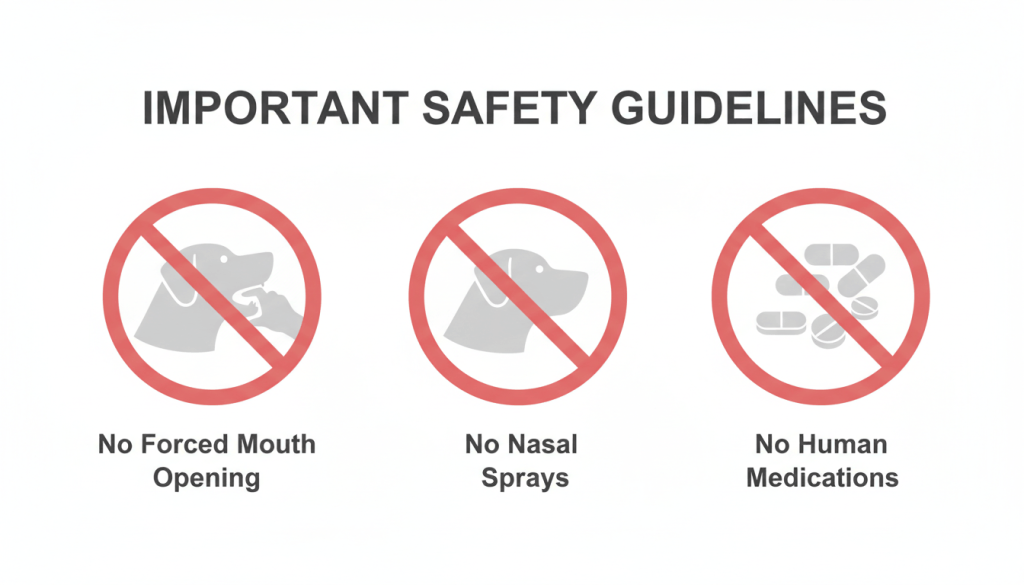
What should not be done during an episode
- do not force the mouth open
- do not administer human medications
- do not spray liquids into the nose
Improper interventions can worsen airway irritation.
How MyCern fits into respiratory and wellness awareness
At MyCern, we emphasize science-guided observation and early recognition of changes in normal behavior and breathing patterns. Understanding why dogs reverse sneeze helps owners avoid unnecessary panic while remaining alert to meaningful warning signs.
Our educational approach supports proactive wellness monitoring rather than self-diagnosis or inappropriate treatment.
Lifestyle and prevention tips
- reduce exposure to smoke, fragrances, and aerosols
- vacuum and clean living areas regularly
- manage known seasonal allergies with veterinary guidance
- avoid overly tight collars that may increase throat sensitivity
These steps may reduce irritation that contributes to reverse sneezing in dogs.
Frequently asked questions
Why do dogs reverse sneeze?
Dogs reverse sneeze because irritation in the nasal passages or throat triggers a reflex that causes rapid inward breathing to clear the upper airway.
Why do dogs backward sneeze?
Why do dogs backward sneeze refers to the same condition as reverse sneezing. It is not a different disease, but simply another way owners describe the inhaling sneeze reflex.
Why do dogs reverse cough and make a honking sound?
The dog honking sound happens when air is pulled forcefully through a narrowed upper airway during a reverse sneeze episode. It is different from a true cough.
Is reverse sneezing in dogs dangerous?
In most dogs, reverse sneezing in dogs is harmless and temporary. It becomes concerning only when episodes are frequent, severe, or combined with other symptoms.
What is the best dog reverse sneeze treatment?
For occasional episodes, calm reassurance, gentle throat stimulation, and encouraging swallowing are commonly suggested conservative strategies. Persistent episodes require veterinary evaluation.
Conclusion
Hearing your dog suddenly make a loud snorting or honking noise can be frightening, but in most cases, the answer to why do dogs reverse sneeze is reassuring. Reverse sneezing is usually a brief, protective reflex caused by mild upper airway irritation.
Understanding the difference between a dog reverse cough, normal sneezing, and true respiratory disease helps owners respond calmly while recognizing when professional care is needed.
References
- Nelson, R. W., & Couto, C. G. (2019). Small animal internal medicine-E-book: Small animal internal medicine-E-book. Elsevier Health Sciences.
- King, L. G. (2004). Textbook of respiratory disease in dogs and cats. (No Title).
- Riecks, T. W., Birchard, S. J., & Stephens, J. A. (2007). Surgical correction of brachycephalic syndrome in dogs: 62 cases (1991–2004). Journal of the American Veterinary Medical Association, 230(9), 1324-1328.
- Ettinger, S. J., & Feldman, E. C. (2010). Textbook of Veterinary Internal Medicine-eBook: Textbook of Veterinary Internal Medicine-eBook. Elsevier health sciences.
- Vieson, M. D., & LeRoith, T. (2012). A review of the pathology and treatment of canine respiratory infections. Veterinary Medicine: Research and Reports, 25-39.
- Beeler‐Marfisi, J., Bichot, A. D., & Bienzle, D. (2020). Upper Respiratory Tract of the Dog and Cat. Veterinary Cytology, 259-280.

