
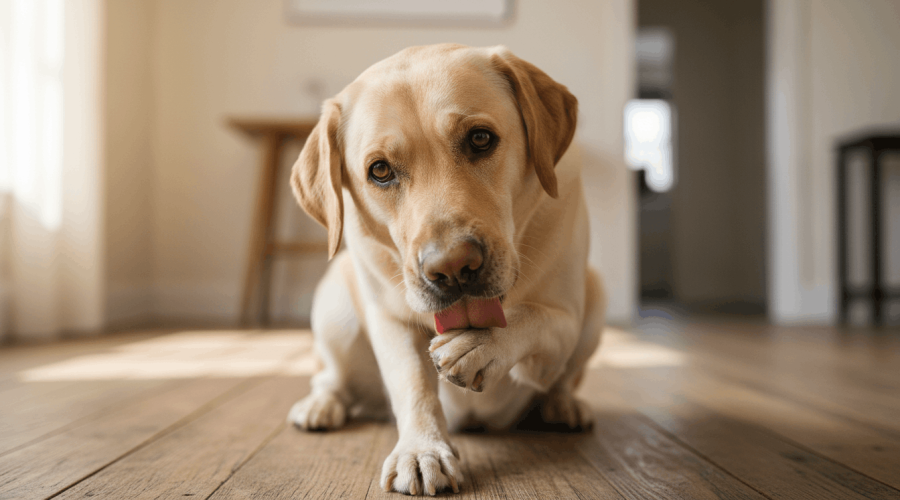
Why Does My Dog Lick His Paws So Much? Common Causes and When to Be Concerned
Written by MyCern Research & Editorial Team
A lot of dog owners see this habit and wonder why does my dog lick his paws so often. It’s normal for dog licking paws from time to time, but if a dog is dog constantly licking paws to the point of hurting or bothering themselves, it could be an indication of a bigger problem that needs to be looked into.
Dogs lick things to explore and calm themselves, but when this behavior happens repeatedly, it may signal discomfort, allergies, or environmental irritation. Understanding dog paw licking causes early can help prevent complications.
The paws are one of the most exposed areas of a dog’s body, thus they are easily stressed out. In this post, we’ll talk about the most common reasons why do dogs lick their paws, how to detect if it’s typical behavior or something more serious, and what you can do at home or with the help of a professional.
What’s Normal and What’s Not
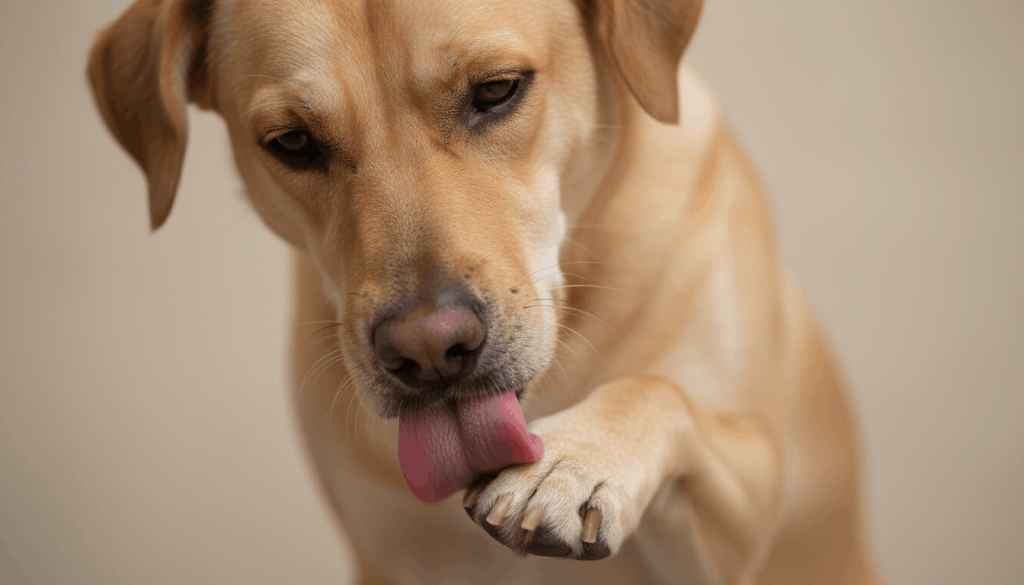
It’s normal for dogs to lick their paws from time to time, such as when they’re grooming themselves or after walking on unclean surfaces. Light and occasional dog licking paws is usually not a concern.
However, if your dog keeps licking their paws and doesn’t stop when you call their name or give them a toy, it may signal a deeper issue. Persistent behavior often raises the question: why does my dog keep licking his paws?
Veterinarians say that noticing concerning behavior early can help prevent infections and other serious problems.
Reasons Why Dogs Lick Their Paws
1. Minor Grooming and Looking Around
Dogs often lick their paws to remove dirt, pollen, or other small particles. This mild and infrequent dog licking paws behavior is a normal part of grooming.
When licking becomes repetitive or intense, it often indicates additional dog paw licking causes beyond simple hygiene.
2. Injury or Physical Pain
Persistent why does my dog lick his paws behavior may be your dog’s way of relieving pain or irritation in the paw area. Causes include:
- Stings, wounds, or scratches
- Ingrown or fractured nails
- Burns from heated pavement or chemicals
- Small foreign objects between toes
If paw licking is paired with limping, swelling, or reluctance to walk, the discomfort should be investigated.
3. Dog Licking Paws Allergies
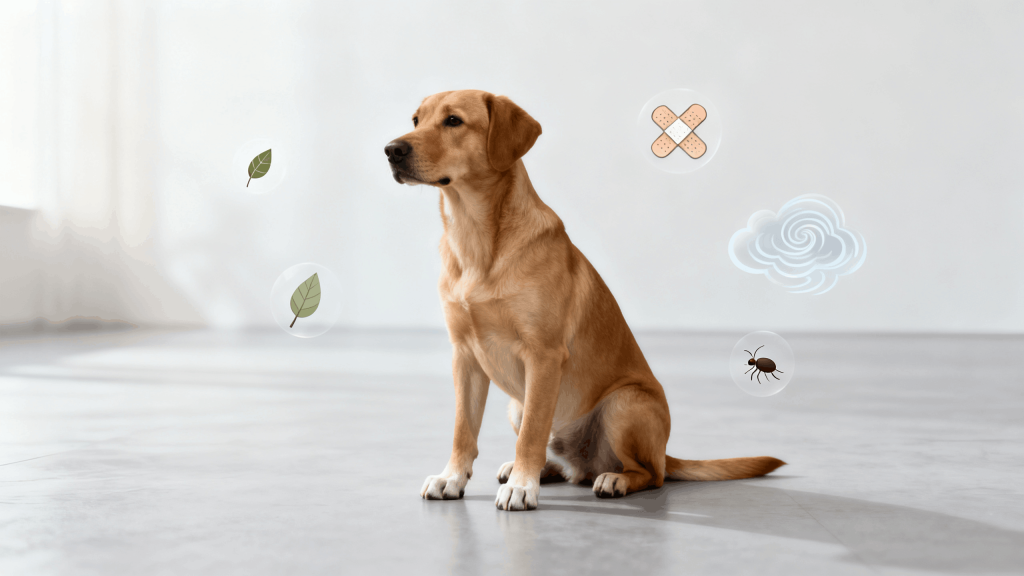
Allergies whether food-related, environmental (grass, pollen, dust mites), or contact irritants like cleaners and de-icing chemicals, are among the most common dog licking paws allergies.
Allergic skin reactions often cause itching and irritation. This leads many dogs to lick and chew their paws frequently in an attempt to relieve discomfort. Common signs include:
- Red, irritated skin
- Recurrent scratching
- Ear infections or hot spots
- Seasonal flare-ups during pollen-heavy months
4. Parasites and Skin Infections
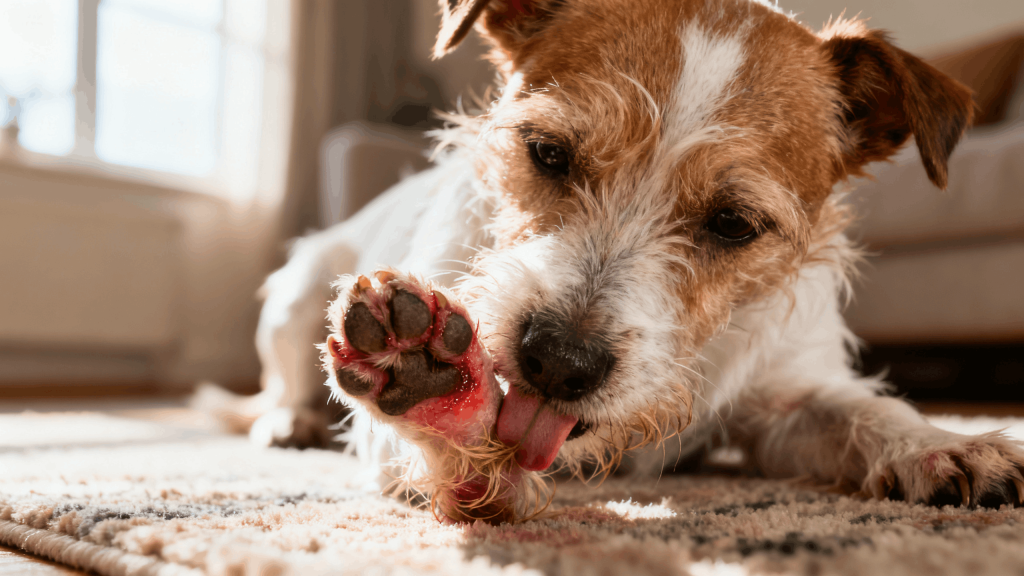
Fleas, ticks, mites, and bacterial or fungal infections can cause severe itching or discomfort in the paw area. Moisture from dog constantly licking paws creates an environment where microorganisms thrive, leading to secondary infections with swelling, discharge, or foul odor.
5. Behavioral and Emotional Causes
After medical causes are ruled out, some dogs lick their paws as a self-soothing behavior. Anxiety, stress, boredom, and obsessive tendencies can all contribute to repeated dog licking paws, even when no visible skin issue exists.
This behavior often increases during stressful events such as changes in routine, separation anxiety, or loud noises.
When to Be Concerned
Occasional licking is normal, but intervention is necessary if your dog shows:
- Constant, intense paw licking
- Redness, swelling, or open sores
- Limping or favoring one paw
- Bad odor or discharge
- Hair loss around paw pads or toes
These signs indicate that why does my dog keep licking his paws is no longer a grooming issue and may require veterinary attention.
How to Help Your Dog at Home
Check for Obvious Irritants
Inspect between toes and paw pads for cuts, debris, burrs, or thorns.
Clean and Dry Paws After Walks
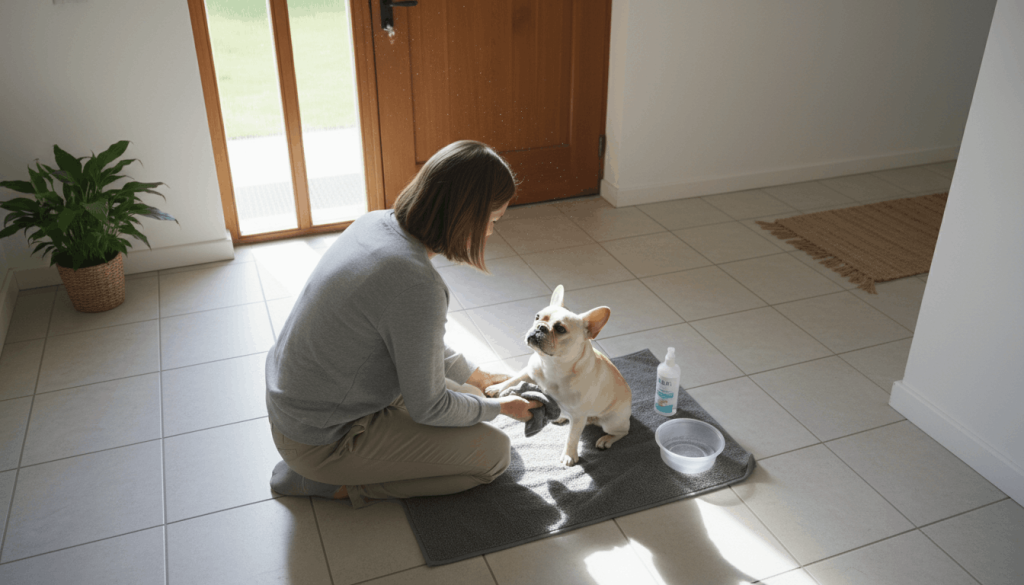
Rinsing and drying paws removes allergens and chemicals that worsen dog licking paws allergies.
Use Protective Gear
Paw balms or dog boots help protect against hot pavement, chemicals, and rough surfaces.
Environmental Control
Switch to unscented, pet-safe cleaners and avoid chemically treated lawns to reduce irritation.
When to See the Vet
Seek veterinary care if you notice:
- Bleeding or pus
- Swelling or heat in the paw
- Visible wounds
- Limping
- Signs of systemic illness
Your vet may recommend allergy testing, skin exams, medicated shampoos, antibiotics, or anti-itch treatments depending on the underlying dog paw licking causes.
Frequently Asked Questions
Why do dogs lick their paws?
Dogs lick their paws for grooming, to remove debris, or due to irritation, pain, allergies, parasites, or stress. Occasional licking is normal, but persistent behavior suggests a problem.
Why does my dog keep licking his paws?
If your dog keeps licking his paws despite distractions, allergies, soreness, illness, or emotional stress may be responsible. Ongoing licking that causes redness or sores should be checked by a vet.
How to stop dog from licking paws home remedy?
Clean and dry paws after walks, use protective balms or boots, remove environmental irritants, and provide mental stimulation. Mild cases may improve, but recurring issues require professional care.
Is dog licking paws an indication of allergies?
Yes. Dog licking paws allergies are a very common cause, especially when paired with redness, itching, and seasonal patterns.
Conclusion
Why does my dog lick his paws so much? While occasional licking is part of normal hygiene, excessive paw licking can indicate medical, environmental, or emotional issues.
From allergies and injuries to behavioral self-soothing, identifying the exact dog paw licking causes is essential. Early detection and proper care at home or with a veterinarian, help protect your dog’s comfort and prevent long-term health problems.
References
- Olivry, T., DeBoer, D. J., Favrot, C., Jackson, H. A., Mueller, R. S., Nuttall, T., & Prélaud, P. (2015). Treatment of canine atopic dermatitis: 2015 updated guidelines from the International Committee on Allergic Diseases of Animals. BMC Veterinary Research, 11, 210.
- Hillier, A., & Griffin, C. E. (2001). The ACVD task force on canine atopic dermatitis (I): incidence and prevalence. Veterinary immunology and immunopathology, 81(3-4), 147-151.
- Santoro, D., Marsella, R., & Pucheu-Haston, C. M. (2015). Pathogenesis of canine atopic dermatitis: skin barrier and immune dysregulation. Veterinary Dermatology, 26(2), 84–102.
- Bizikova, P., Santoro, D., Marsella, R., Nuttall, T., Eisenschenk, M. N., & Pucheu‐Haston, C. M. (2015). Clinical and histological manifestations of canine atopic dermatitis. Veterinary dermatology, 26(2), 79-e24.
- Overall, K. (2013). Manual of Clinical Behavioral Medicine for Dogs and Cats-E-Book: Manual of Clinical Behavioral Medicine for Dogs and Cats-E-Book. Elsevier Health Sciences.
- Coatesworth, J. (2006). Diagnosis and management of canine allergic skin disease.

