

Why Repeated Antibiotic Use Affects Dogs Long After Treatment Ends
Written by MyCern Research & Editorial Team
Antibiotics are an essential tool in veterinary medicine, often lifesaving when bacterial infections are present. Yet their effects do not end when the prescription does. In dogs, repeated or frequent antibiotic exposure can create long-lasting biological changes, particularly within the gut microbiome and immune signaling networks that rely on it.
While short-term side effects such as loose stools are widely recognized, the more subtle, long-term consequences are less understood. These changes may influence digestion, immune balance, inflammation, and metabolic resilience long after treatment has finished.
This article explores:
- How antibiotics alter the canine microbiome
- Why microbial recovery is often incomplete
- The link between gut bacteria and immune signaling
- How repeated exposure compounds long-term effects
- Why post-antibiotic changes may appear unrelated to digestion
Antibiotics Act Beyond the Target Pathogen

Antibiotics are designed to inhibit or kill bacteria, but they do not distinguish between harmful pathogens and beneficial resident microbes. In dogs, the gastrointestinal tract hosts trillions of microorganisms that perform essential metabolic and immune-regulatory roles.
Broad-spectrum antibiotics, in particular, can:
- Reduce microbial diversity
- Eliminate keystone bacterial species
- Disrupt microbial metabolic networks
These changes occur rapidly, often within days of starting treatment.
The Canine Microbiome as a Regulatory Organ

The gut microbiome functions as a biological interface between the external environment and the immune system. It contributes to:
- Training immune tolerance
- Regulating inflammatory responses
- Producing short-chain fatty acids (SCFAs)
- Supporting intestinal barrier integrity
When microbial communities are stable, immune signaling remains balanced. When disrupted, signaling pathways can shift toward heightened reactivity or impaired defense.
Why Microbial Recovery Is Often Incomplete
After a single antibiotic course, some bacterial populations rebound quickly. Others may take months—or fail to return at all.
Factors that limit full recovery include:
- Loss of low-abundance but functionally critical species
- Reduced microbial diversity limiting ecosystem resilience
- Age-related declines in microbial adaptability
- Repeated antibiotic exposure before recovery completes
Each additional course compounds disruption, increasing the likelihood of long-term compositional change.
Long-Term Effects on Immune Signaling
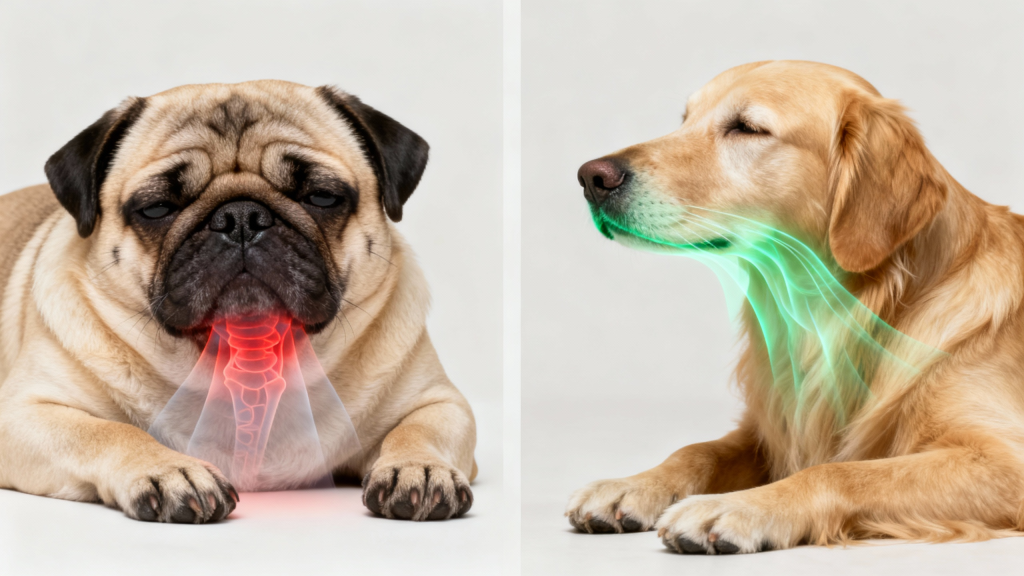
The immune system relies on constant input from gut microbes to calibrate responses. Microbial metabolites interact with immune cells through pattern-recognition receptors and signaling molecules.
Disruption can lead to:
- Altered cytokine signaling
- Reduced regulatory T-cell activity
- Increased baseline inflammatory tone
- Impaired mucosal immune defense
These shifts may persist even when digestion appears outwardly normal.
Increased Sensitivity to Inflammation and Stress
Dogs with altered microbiomes may show exaggerated immune responses to otherwise minor triggers, such as dietary changes or environmental stressors.
This occurs because:
- Reduced SCFA production weakens anti-inflammatory signaling
- Intestinal barrier integrity may be compromised
- Immune cells receive fewer tolerance-promoting signals
Over time, this can influence skin reactivity, digestive sensitivity, and overall immune stability.
Metabolic and Digestive Consequences Beyond Diarrhea
The microbiome contributes to nutrient metabolism, bile acid modification, and energy harvest. Antibiotic-driven shifts can alter these processes in subtle ways.
Potential downstream effects include:
- Reduced efficiency of nutrient utilization
- Altered fat metabolism
- Changes in stool frequency without obvious consistency changes
- Increased variability in digestive response
These changes are often attributed to aging or “sensitivity,” rather than past antibiotic exposure.
Why Timing and Frequency Matter More Than Dose

Research shows that repeated disruption without adequate recovery time has a greater long-term impact than a single, appropriately spaced treatment.
Critical factors include:
- Antibiotic courses given early in life
- Back-to-back treatments
- Broad-spectrum formulations
- Lack of microbial recovery windows
The microbiome is most vulnerable during periods of immune and metabolic development.
Supporting Post-Antibiotic Resilience
While antibiotics are sometimes unavoidable, supporting long-term balance focuses on restoration rather than suppression.
Foundational strategies include:
- Allowing sufficient recovery time between treatments
- Supporting dietary diversity where appropriate
- Maintaining consistent routines to reduce stress signaling
- Avoiding unnecessary antimicrobial exposure
Microbial ecosystems recover best in stable, predictable physiological environments.

Conclusion
Antibiotics save lives but their influence extends well beyond infection control. In dogs, repeated antibiotic use can reshape the microbiome and alter immune signaling in ways that persist long after treatment ends.
Understanding these long-term effects helps pet owners and professionals view post-antibiotic changes through a biological lens, emphasizing recovery, balance, and resilience rather than short-term symptom control.
References
- Suchodolski, J. S. (2016). Diagnosis and interpretation of intestinal dysbiosis in dogs and cats. Veterinary Journal, 215, 30–37.
- Langdon, A., Crook, N., & Dantas, G. (2016). The effects of antibiotics on the microbiome throughout development and alternative approaches for therapeutic modulation. Genome Medicine, 8(1), 39.
- Pilla, R., & Suchodolski, J. S. (2020). The role of the canine gut microbiome and metabolome in health and gastrointestinal disease. Frontiers in Veterinary Science, 6, 498.
- Buffie, C. G., & Pamer, E. G. (2013). Microbiota-mediated colonization resistance against intestinal pathogens. Nature Reviews Immunology, 13(11), 790–801.
- Round, J. L., & Mazmanian, S. K. (2009). The gut microbiota shapes intestinal immune responses during health and disease. Nature Reviews Immunology, 9(5), 313–323.

