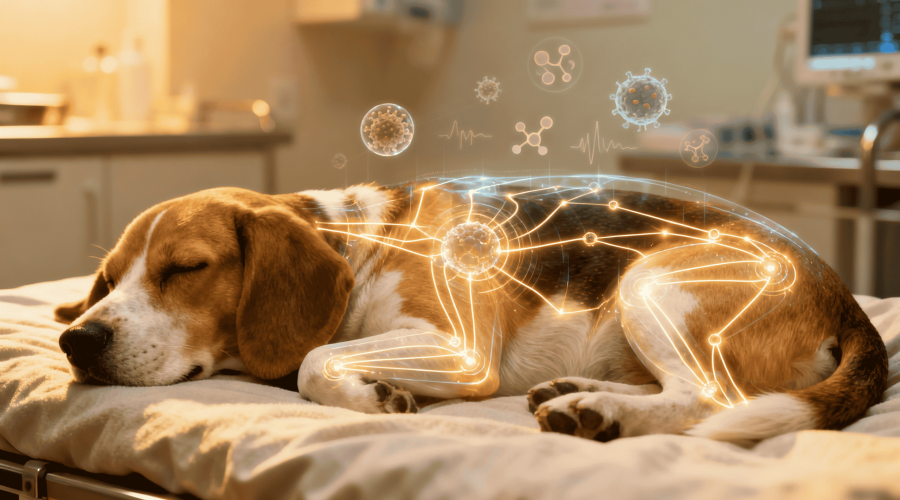
Supporting Recovery in Dogs After Spaying or Neutering
Written by MyCern Research & Editorial Team
Spaying and neutering are among the most common veterinary procedures performed in dogs, offering well-established population and behavioral benefits. While the surgical aspect is often the primary focus for pet owners, the internal recovery process extends far beyond incision healing. These procedures initiate meaningful hormonal and metabolic changes that influence energy regulation, tissue repair, immune balance, and long-term physiology.
Supporting recovery after spaying or neutering requires understanding how the body adapts once reproductive hormones are altered. Thoughtful care during this transition period can help dogs regain balance, maintain vitality, and adapt smoothly to their new physiological baseline.
This article explores:
- How reproductive hormones influence metabolism and recovery
- What changes occur after spaying or neutering
- The body’s metabolic and immune response to surgery
- Nutritional and lifestyle considerations during recovery
- Signs that recovery may need additional support
Hormonal Shifts After Spaying or Neutering
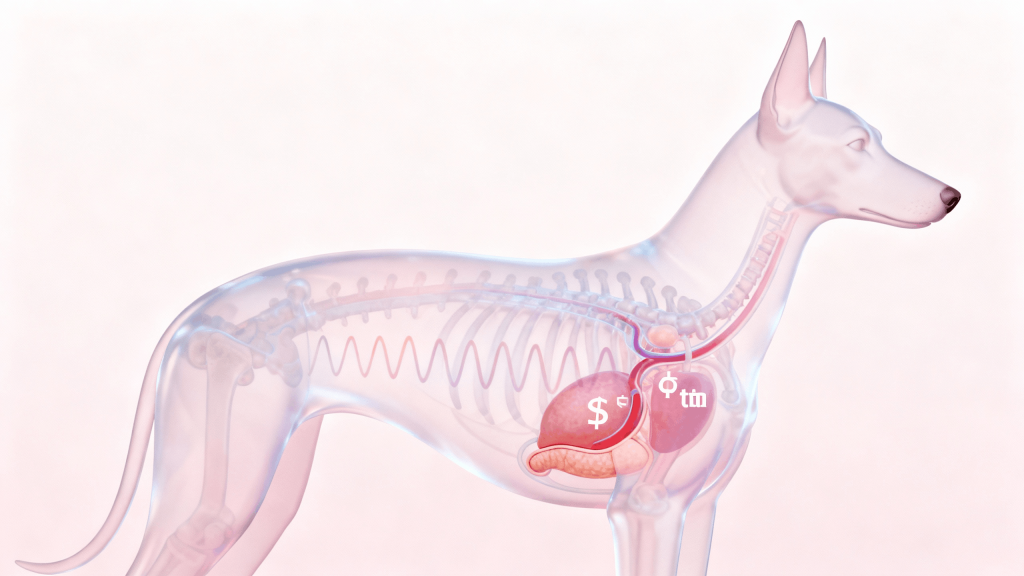
Reproductive hormones such as estrogen and testosterone play roles far beyond reproduction. They influence:
- Muscle protein synthesis
- Fat distribution and energy expenditure
- Insulin sensitivity
- Inflammatory and immune signaling
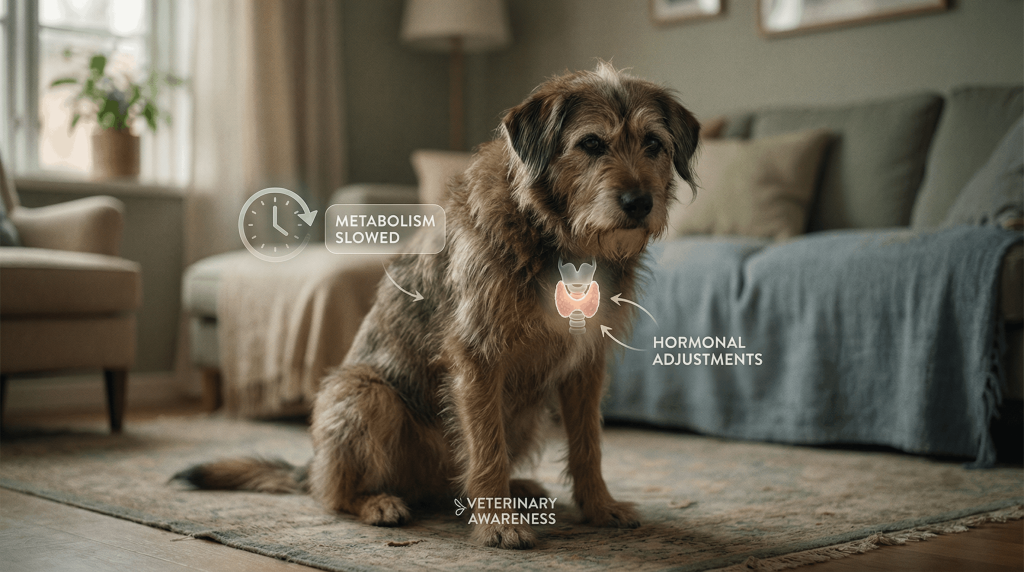
After spaying or neutering, circulating levels of these hormones decline significantly. This sudden shift prompts the body to recalibrate how it regulates energy, repairs tissues, and maintains metabolic equilibrium.
Metabolic Adaptation and Energy Regulation
One of the most notable post-procedure changes is a reduction in basal metabolic rate. Research shows that neutered dogs may experience:
- Lower daily energy expenditure
- Increased appetite signaling
- Greater efficiency in storing calories
This metabolic adaptation is not inherently negative, but without appropriate nutritional adjustments, it can contribute to unwanted weight gain during recovery. Weight changes are often metabolic in origin rather than behavioral.
Surgical Stress and Systemic Recovery
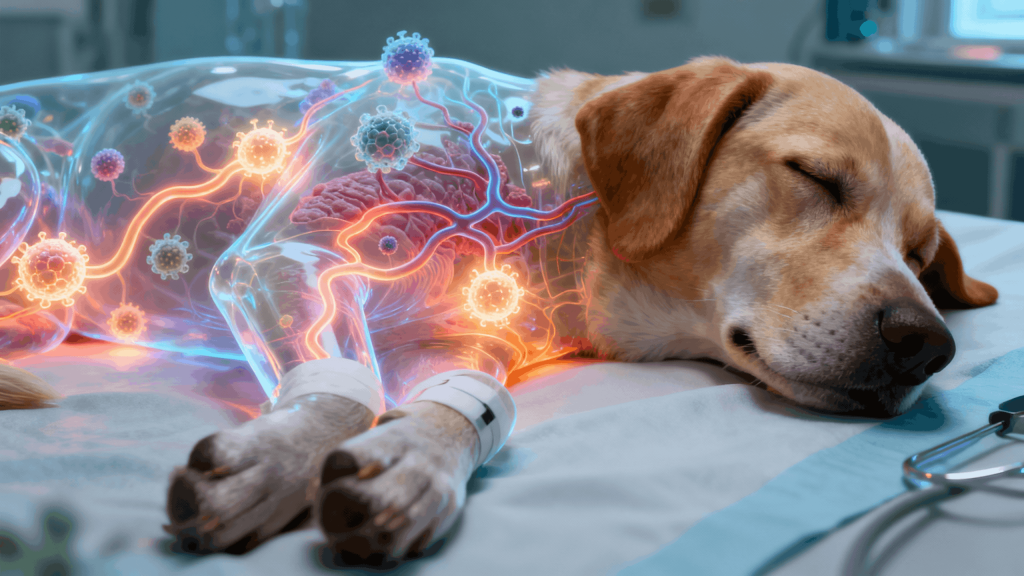
Spaying and neutering involve controlled surgical trauma, triggering a systemic healing response that includes:
- Temporary elevation of inflammatory mediators
- Increased demand for amino acids and micronutrients
- Activation of immune repair pathways
While external wounds may appear healed within days, internal tissues and metabolic systems continue adapting for weeks. Supporting this internal recovery phase is essential for restoring resilience and maintaining normal physiological rhythms.
The Role of Nutrition During Post-Procedure Recovery
Protein and Tissue Repair
Adequate, high-quality protein supports:
- Collagen formation
- Muscle maintenance during reduced activity
- Enzyme and hormone synthesis
Micronutrients and Antioxidant Balance
Surgical recovery increases demand for nutrients involved in cellular protection and repair, including:
- Zinc and selenium for immune modulation
- Vitamins involved in oxidative stress regulation
- Compounds that support mitochondrial energy production
Balanced antioxidant intake helps regulate the inflammatory response without suppressing necessary healing processes.
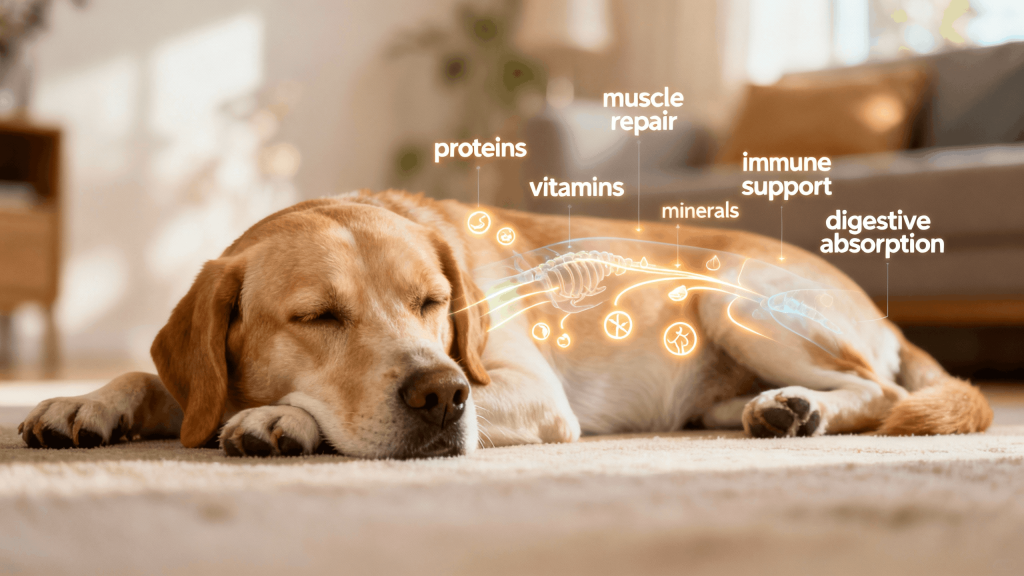
Digestive Efficiency and Nutrient Utilization
Temporary changes in appetite, digestion, or stool patterns can occur after surgery due to:
- Anesthetic effects
- Reduced movement
- Stress-related alterations in gut motility
Supporting digestive efficiency ensures that nutrients consumed during recovery are effectively absorbed and utilized for healing rather than diverted or lost.
Activity Modulation and Metabolic Signaling
Reduced activity is essential immediately after surgery, but prolonged inactivity can amplify metabolic slowdown. Gradual reintroduction of controlled, low-impact movement supports:
- Circulation and oxygen delivery
- Maintenance of insulin sensitivity
- Neuromuscular coordination
The goal is not exercise intensity, but gentle signaling to the body that movement patterns remain intact.
Signs That Recovery May Need Additional Support
While most dogs recover smoothly, subtle signs may indicate prolonged metabolic or hormonal adjustment, including:
- Persistent lethargy beyond the initial recovery period
- Unexplained weight gain despite unchanged intake
- Delayed return of normal appetite or digestion
- Reduced interest in movement after surgical healing
These signs reflect systemic adaptation rather than surgical complications and may benefit from nutritional or veterinary review.
Conclusion
Recovery after spaying or neutering is a whole-body process, shaped by hormonal recalibration, metabolic adjustment, and tissue repair. By recognizing that healing extends beyond the surgical site, pet owners can provide informed support that helps dogs transition smoothly into long-term physiological balance. Thoughtful nutrition, gradual activity, and patience during this adaptive phase play a meaningful role in sustaining vitality after the procedure.
References
- Root Kustritz, M. V. (2007). Determining the optimal age for gonadectomy of dogs and cats. Journal of the American Veterinary Medical Association, 231(11), 1665–1675.
- German, A. J. (2006). The growing problem of obesity in dogs and cats. Journal of Nutrition, 136(7), 1940S–1946S.
- Houpt, K. A., et al. (2006). Effect of gonadectomy on appetite and feeding behavior in dogs. Journal of the American Veterinary Medical Association, 228(6), 844–848.
- Jeusette, I., et al. (2004). Effect of neutering on energy expenditure in adult dogs. Journal of Animal Physiology and Animal Nutrition, 88(9–10), 366–373.
- Zoran, D. L. (2010). Nutrition and postoperative recovery in companion animals. Veterinary Clinics of North America: Small Animal Practice, 40(3), 399–412.