Is Your Pet Getting Enough Sleep? Why Quality Rest Is the Secret to a Happy Dog or Cat
Written by MyCern Research & Editorial Team
Ever noticed your dog twitching softly in their sleep, or your cat choosing the most unexpected midday nap spot? While these moments are undeniably adorable, those quiet hours of rest are doing some serious behind-the-scenes work. Sleep is when your pet’s body repairs itself, their immune system resets, and their brain processes the world around them.
When sleep quality suffers, the effects often show up as mood changes, low energy, or increased sensitivity long before obvious health issues appear. Understanding how sleep works and how to support it, can make a meaningful difference in your pet’s long-term wellbeing.
This article explores:
- How sleep supports mood, immunity, and daily energy
- What happens during different sleep stages
- Common internal and external sleep disruptors
- Key sleep differences between dogs and cats
- Red flags that may require veterinary attention
- Practical ways to support healthier sleep habits
Why Sleep Matters More Than You Think
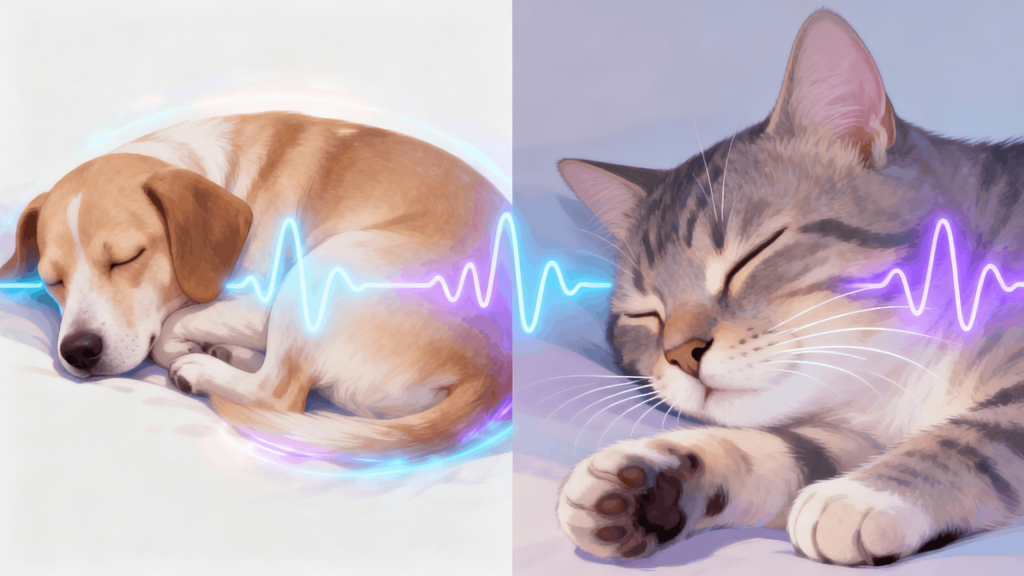
Sleep is an active biological process, not just “downtime.” During quality rest, your pet’s body focuses on:
- Cellular repair and tissue recovery
- Hormonal balance, including stress regulation
- Brain processing, memory consolidation, and learning
- Immune system regulation, helping the body respond to daily challenges
Pets who consistently experience restorative sleep tend to show steadier energy levels, calmer behavior, and greater resilience to stress.
Quick Tip Box – Signs Your Pet May Not Be Sleeping Well:
- Restlessness or pacing at night
- Irritability or increased reactivity
- Daytime fatigue or sudden hyperactivity
- Changes in appetite or routine behavior
Understanding Pet Sleep Cycles: REM vs. Deep Sleep
Like humans, dogs and cats cycle through deep sleep and REM (Rapid Eye Movement) sleep.
- Deep sleep supports physical repair and immune activity
- REM sleep supports emotional regulation and cognitive processing
Dogs spend only about 10% of their sleep in REM, compared to roughly 25% in humans. This is why dogs need more total sleep hours to achieve the same level of mental recovery.
Those adorable twitches, muffled barks, or running paws? That’s likely REM sleep—your pet is essentially dreaming. Cats experience REM sleep more frequently but in shorter bursts, which explains their pattern of frequent naps throughout the day.
Sleep’s Role in Mood and Emotional Balance

Sleep quality directly affects emotional resilience:
- Poor sleep may amplify anxiety or sensitivity
- Well-rested pets are better able to adapt to routine changes
- Predictable sleep patterns support a sense of security
Disrupted sleep can make pets appear “moody” or “difficult,” when in reality their nervous system may simply be overstimulated or under-rested.
How Sleep Supports the Immune System
The immune system relies on sleep to function efficiently:
- Sleep helps regulate immune signaling molecules
- Chronic sleep disruption may strain immune defenses
- Adequate rest supports recovery from everyday stressors
Puppies, kittens, senior pets, and those under stress may be especially sensitive to inconsistent sleep routines.
Energy Levels, Recovery, and Physical Comfort
Sleep is essential for maintaining balanced energy:
- Supports muscle recovery after activity
- Helps regulate metabolism and energy use
- Reduces physical fatigue and stiffness
Pets that pace, circle, or struggle to settle may not be “restless by nature.” In some cases, joint discomfort or stiffness can make certain sleeping positions uncomfortable.
Common Sleep Disruptors Pet Owners Often Overlook

Beyond noise and lighting, internal factors can strongly affect sleep quality:
Joint or Physical Discomfort
Pets that frequently change positions, pace, or avoid lying down may be experiencing discomfort rather than behavioral restlessness.
Diet and Timing
Heavy meals or high-sugar treats close to bedtime can cause energy spikes often seen as late-night “zoomies”, and disrupt the settling phase before sleep.
Mental Overstimulation
Highly stimulating play or screen exposure (TV, bright lights) right before bed may delay relaxation.
Creating a Sleep-Supportive Environment
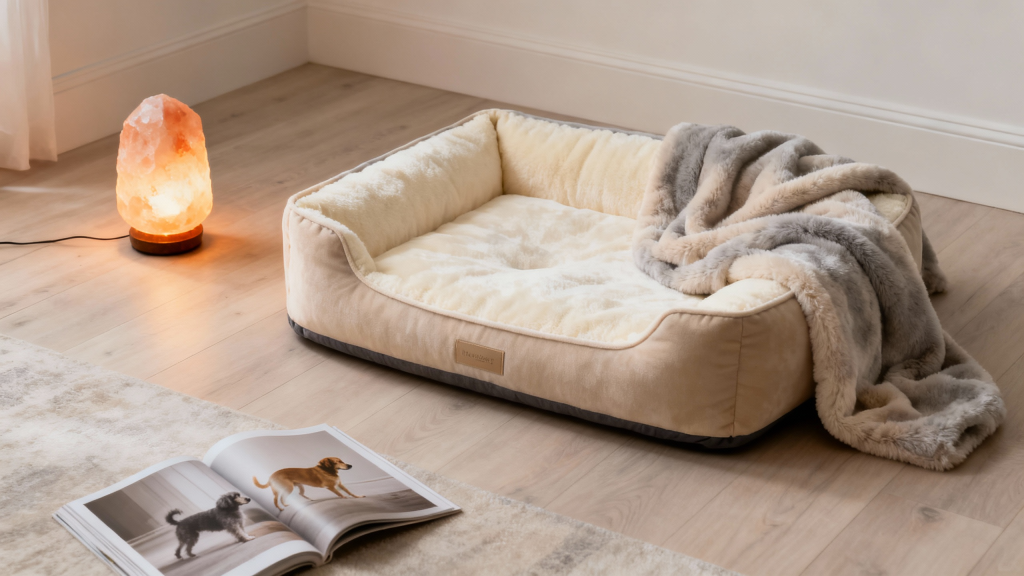
A calming sleep environment helps reinforce natural rhythms:
- Comfort: Age-appropriate, supportive bedding
- Location: Quiet areas away from foot traffic
- Lighting: Dim lighting in the evening
- Routine: Consistent feeding, play, and rest schedules
(Related reading: Comfort and Safety: Accessories Every Pet Should Have)
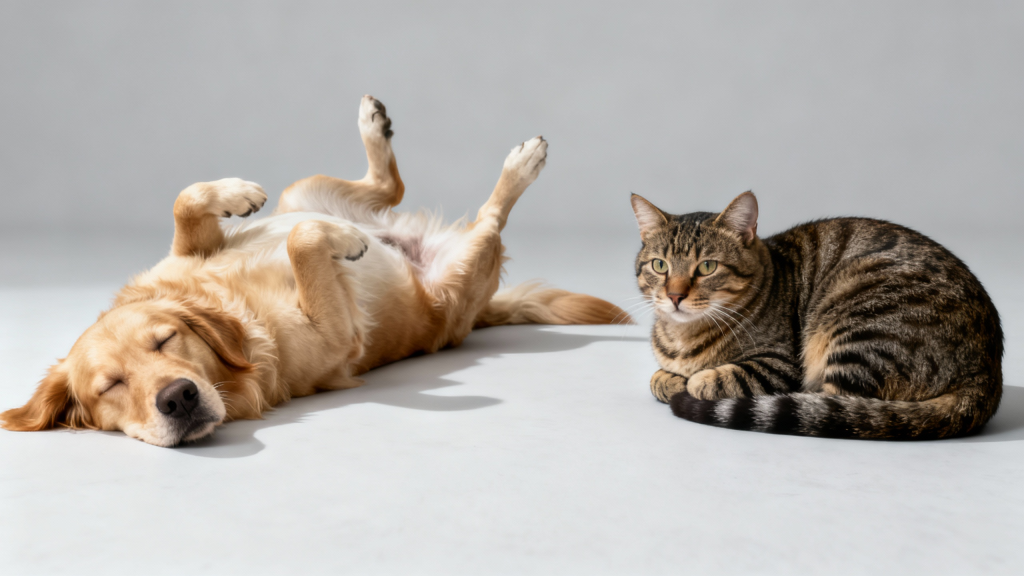
Dogs vs. Cats: Sleep Differences at a Glance
| Feature | Dogs 🐕 | Cats 🐈 |
|---|---|---|
| Total Sleep | 12–14 hours/day | 12–16+ hours/day |
| Pattern | Mostly diurnal (night sleepers) | Crepuscular (active dawn/dusk) |
| Depth | Deep sleepers once settled | Light, vigilant sleepers |
| Waking Style | May sleep through noise | Wake instantly |
Understanding these differences helps set realistic expectations and reduces frustration for pet owners.
When Sleep Changes May Signal a Health Issue
Occasional changes are normal, but persistent sleep disturbances may require veterinary attention.
Red Flags to Watch For:
- Loud snoring, gasping, or pauses in breathing (common in flat-faced breeds)
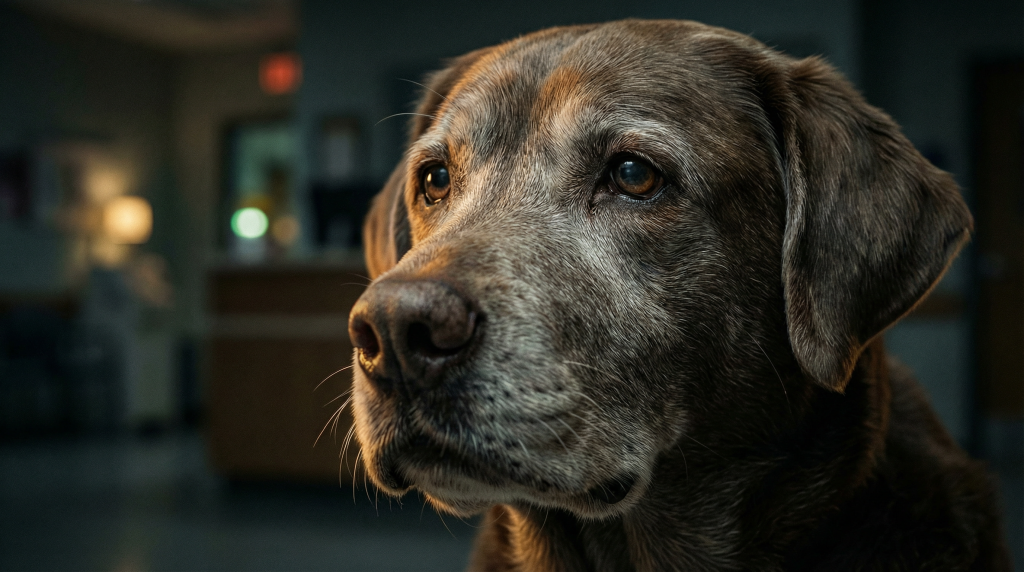
- Sudden nighttime confusion or vocalization in senior pets
- Getting “lost” in familiar spaces at bedtime
- Drastic changes in sleep duration or patterns
These may be early signs of conditions such as sleep apnea or cognitive dysfunction.
References
- Zanghi, B. M., et al. (2012). Sleep patterns and activity levels in dogs. Journal of Veterinary Behavior, 7(2), 105–115.
- Campbell, S. S., & Tobler, I. (1984). Animal sleep: A review of sleep mechanisms and function. Neuroscience & Biobehavioral Reviews, 8(3), 269–300.
- Opp, M. R. (2009). Sleep and immune system interactions. Immunology and Allergy Clinics of North America, 29(2), 269–285.
- Landsberg, G. M., et al. (2012). Behavioral changes associated with aging and sleep disruption in pets. Journal of Veterinary Behavior, 7(4), 202–213.
Conclusion
Sleep is a powerful, often underestimated pillar of pet wellness. Quality rest supports emotional balance, immune resilience, physical recovery, and cognitive health. By understanding sleep cycles, recognizing subtle disruptors, and creating calming routines, pet owners can help their dogs and cats rest more deeply and thrive more fully.