Daily Wellness Habits That Strengthen Your Bond and Support Your Dog’s Health
Written by MyCern Research & Editorial Team
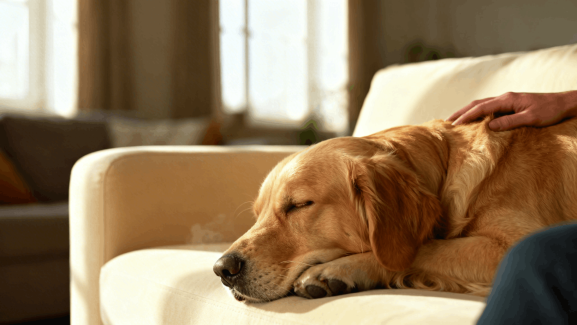
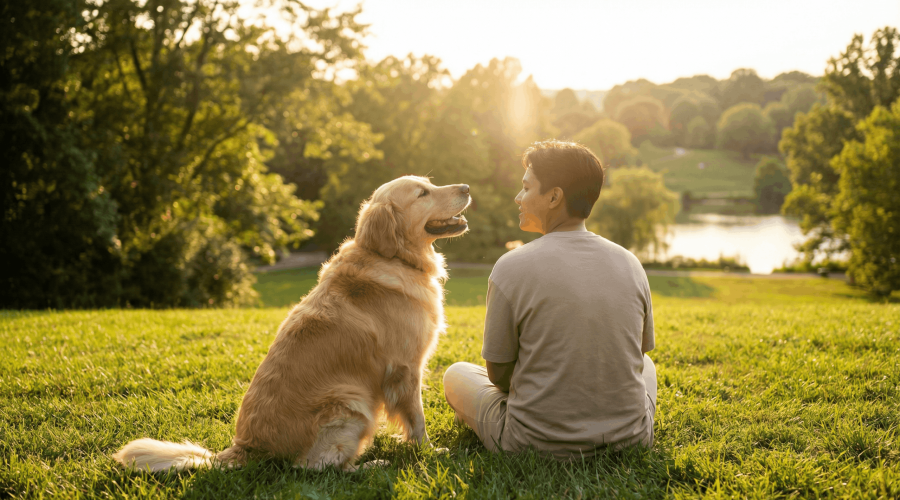
Daily interactions shape a dog’s physical health, emotional wellbeing, and relationship with their owner. Consistent wellness habits such as routine exercise, mental engagement, and calm social connection help dogs feel secure, confident, and supported. Over time, these small daily actions contribute to stronger bonds and long-term health.
This article explores:
- How daily routines influence canine health and behavior
- Wellness habits that support physical and emotional balance
- The role of consistency in building trust and connection
- Simple practices that strengthen the human–dog bond
- Practical ways to integrate wellness into everyday life
Why Daily Habits Matter
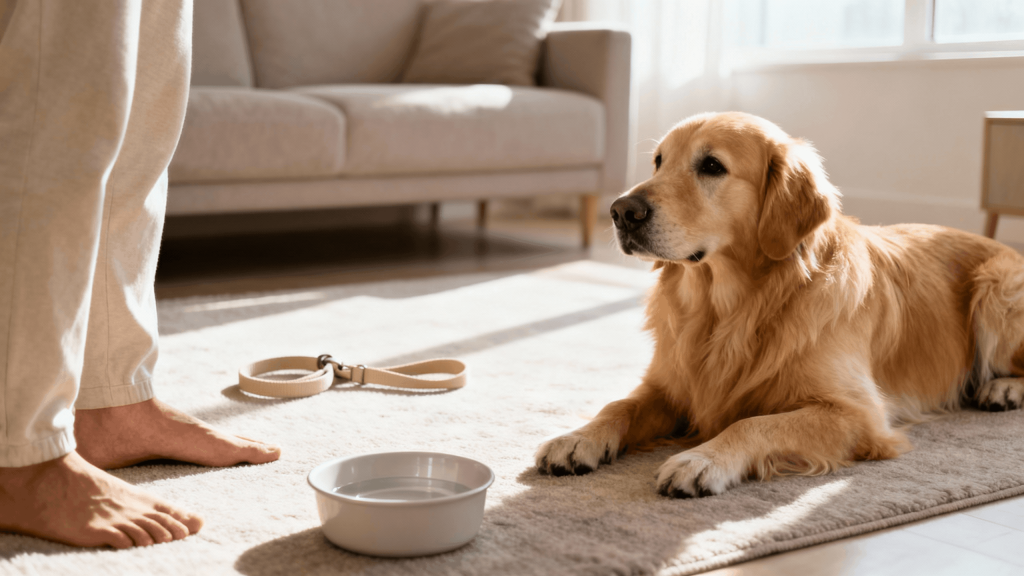
Dogs thrive on predictability and social connection. Regular routines help regulate stress hormones, support digestion, and encourage balanced behavior.
Key benefits of daily wellness habits include:
- Reduced anxiety and stress-related behaviors
- Improved cardiovascular and joint health
- Stronger immune and metabolic function
- Increased confidence and trust
Quick Tip Box – Signs of a Balanced Routine:
- Calm behavior at home
- Consistent appetite and digestion
- Willingness to engage during play or training
- Relaxed body language and steady energy levels
Physical Activity as Connection Time

Exercise supports more than muscle and weight management, it strengthens emotional bonds.
- Daily walks provide mental stimulation through scent exploration
- Play sessions encourage coordination and joy
- Movement supports joint mobility and cardiovascular health
Quick Tip Box – Movement That Builds Bonding:
- Let your dog lead during part of the walk
- Vary routes to introduce new smells and experiences
- Match activity intensity to age and breed
- End activity with calm interaction or rest
Mental Engagement and Learning

Mental stimulation supports cognitive health and emotional resilience.
- Short training sessions reinforce communication
- Puzzle games encourage problem-solving
- Enrichment reduces boredom and destructive behaviors
Quick Tip Box – Brain-Healthy Habits:
- 5–10 minutes of training daily
- Rotate toys to maintain novelty
- Combine learning with positive reinforcement
- Celebrate effort, not just outcomes
Emotional Connection and Trust

Dogs rely on social cues and emotional feedback from their owners.
- Calm, predictable interactions reduce stress
- Gentle handling builds trust and confidence
- Quality time strengthens emotional security
Quick Tip Box – Strengthening Emotional Bonds:
- Use calm tones and consistent cues
- Respect your dog’s need for rest and space
- Observe body language during interaction
- End the day with quiet, reassuring contact
Daily Care and Preventive Wellness
Routine care supports comfort and early detection of health changes.
- Grooming promotes skin and coat health
- Daily checks of paws, ears, and teeth
- Consistent feeding schedules support digestion and metabolism
Quick Tip Box – Simple Preventive Habits:
- Brush coat or teeth regularly
- Monitor appetite and water intake
- Keep feeding and sleep routines consistent
- Note subtle changes in behavior or energy

References
- Serpell, J. A., & Hsu, Y. (2005). Effects of human–animal interaction on behavior and welfare. Applied Animal Behaviour Science, 93(1–2), 1–14.
- Horowitz, A. (2009). Inside of a Dog: What Dogs See, Smell, and Know. Scribner.
- Overall, K. L. (2013). Manual of Clinical Behavioral Medicine for Dogs and Cats. Elsevier.
- Bennett, P. C., & Rohlf, V. I. (2007). Owner–dog interactions and canine behavior problems. Applied Animal Behaviour Science, 105(3–4), 223–245.
Conclusion
Daily wellness habits play a powerful role in supporting a dog’s physical health, emotional balance, and the human–dog bond. Through consistent routines, meaningful interaction, mental engagement, and gentle care, owners can promote long-term wellbeing while strengthening trust and connection. Small, intentional actions each day create healthier, happier lives for both dogs and their companions.