Signs of Cognitive Decline in Dogs: How to Support Brain Health as Pets Age
Written by MyCern Research & Editorial Team
As dogs grow older, subtle changes in memory, awareness, and behavior can slowly appear. Many pet parents begin searching for signs of dementia in dogs only after something feels noticeably different in daily routines, nighttime behavior, or social interaction.
Understanding how canine brain aging works helps owners respond early and with confidence, rather than fear.
This article explores
- how cognitive dysfunction dogs develop as part of the aging process
- the most common signs of canine dementia and how they differ from normal aging
- practical ways to recognize dog cognitive dysfunction symptoms at home
- evidence informed strategies for canine cognitive dysfunction treatment and daily support
- how MyCern can fit into a science focused brain health routine for senior dogs
Understanding cognitive decline in aging dogs

Age related cognitive change in dogs is clinically referred to as cognitive dysfunction syndrome. It is a neurodegenerative condition associated with progressive changes in the brain, including oxidative stress, inflammation, reduced cerebral blood flow, and altered neurotransmitter activity.
According to the American Veterinary Medical Association, cognitive decline in senior pets is increasingly recognized as a genuine medical and behavioral concern rather than a normal and unavoidable part of aging.
In research literature, cognitive dysfunction dogs show patterns similar to age related cognitive decline in humans. These include reduced learning ability, impaired memory processing, and decreased adaptability to new environments.
This biological basis is important because it explains why behavior changes are not caused by stubbornness or poor training. They reflect changes in the brain itself.
Signs of dementia in dogs that should not be overlooked
The earliest signs of dementia in dogs are often subtle and easily dismissed as simple aging. However, early recognition improves long term support and quality of life.
Common warning patterns include
- becoming disoriented in familiar rooms or getting stuck behind furniture
- wandering aimlessly or standing and staring into space
- increased anxiety, restlessness, or vocalization, especially at night
- reduced response to known commands
- altered social interaction with family members
These behaviors are also commonly described as signs of senility in dogs by owners, although modern veterinary medicine uses more precise diagnostic language.
Not every senior dog who slows down has cognitive decline. The key difference is a noticeable change in awareness, learning ability, and daily functioning.
Signs of canine dementia compared to normal aging
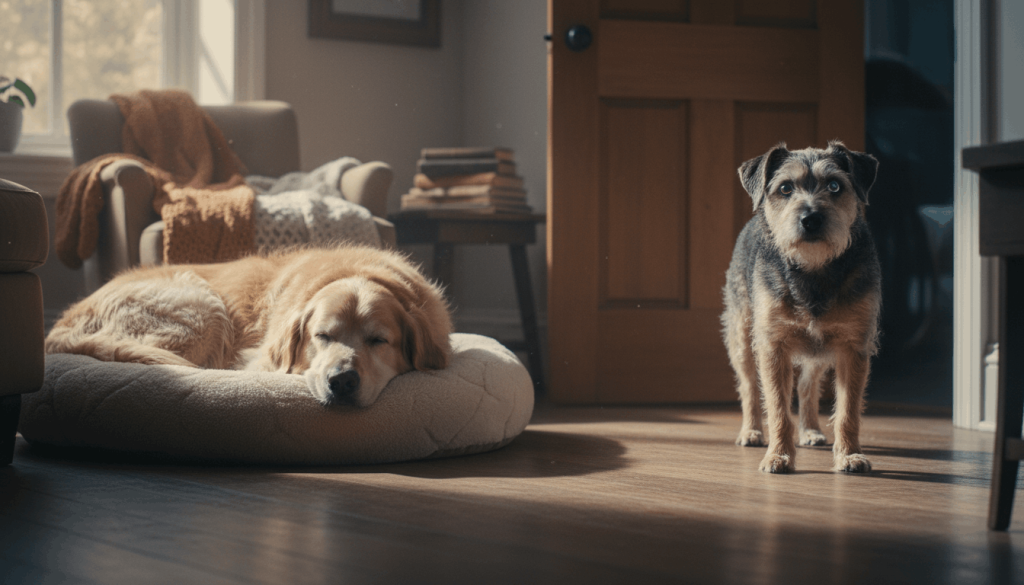
It is normal for older dogs to sleep more and move more slowly. It is not normal for them to consistently forget familiar routines or appear lost in their own home.
Typical signs of canine dementia often include
- forgetting where the door is or how to navigate well known paths
- appearing confused about where family members are located
- difficulty settling at night despite adequate exercise
- increased startle responses to familiar sounds
When these changes occur together and progress over time, cognitive decline becomes a more likely explanation than normal aging alone.
Dog cognitive dysfunction symptoms and daily behavior changes
Veterinary researchers often describe dog cognitive dysfunction symptoms using the DISH framework, which refers to
- disorientation
- altered social interaction
- sleep wake cycle disturbances
- loss of house training or learned behaviors
Owners frequently report senior dog memory loss as one of the most emotionally distressing signs. Dogs may appear to forget established routines such as meal timing, walking routes, or favorite resting places.
In many cases, owners also notice reduced problem solving ability and slower response times during play or training activities.
These changes reflect declining cognitive processing speed and reduced neural flexibility in the aging brain.
Why cognitive dysfunction dogs experience progressive decline

Several overlapping biological mechanisms contribute to canine cognitive decline
- accumulation of oxidative damage in neural tissue
- reduced production and regulation of neurotransmitters
- low grade chronic inflammation within the brain
- changes in blood vessel function and oxygen delivery
Over time, these processes reduce the brain’s ability to maintain healthy communication between neurons.
Importantly, lifestyle and environmental enrichment still influence how quickly decline progresses. Mental stimulation, predictable routines, and supportive care can help preserve remaining cognitive capacity.
Canine cognitive dysfunction treatment in modern care plans
Canine cognitive dysfunction treatment focuses on slowing progression, supporting brain function, and improving daily quality of life.
A comprehensive plan may include
- structured enrichment activities
- gentle, predictable daily routines
- environmental modifications to reduce confusion
- veterinary guided medical support when appropriate
The American Society for the Prevention of Cruelty to Animals emphasizes that management strategies should focus on comfort, emotional security, and maintaining positive engagement rather than forcing new learning demands.
While there is no cure for cognitive dysfunction, research shows that targeted support can meaningfully improve daily functioning and emotional stability in many senior dogs.
Supporting senior dog memory loss with practical home strategies

Home routines play a powerful role in protecting cognitive health and emotional comfort.
Helpful daily practices include
- keeping furniture placement consistent to avoid confusion
- using night lights in hallways and near sleeping areas
- maintaining predictable feeding and walking schedules
- using scent based games rather than complex problem solving toys
- offering short, gentle interaction sessions throughout the day
These adjustments help reduce cognitive load and support orientation. For dogs experiencing senior dog memory loss, consistency becomes one of the most protective tools available.
Lifestyle and enrichment strategies for aging brains
Mental engagement remains beneficial even when learning speed slows.
Effective enrichment for senior dogs includes
- slow sniffing walks in quiet environments
- simple food scatter games
- gentle obedience refreshers using well known cues
- massage and calm handling sessions
- short social interactions with trusted people
These activities stimulate sensory processing without overwhelming the nervous system. This balance is especially important for dogs showing dog cognitive dysfunction symptoms, as overstimulation can worsen confusion and anxiety.
When to seek professional evaluation
If a dog shows rapid behavioral changes, sudden disorientation, or dramatic personality shifts, veterinary evaluation is essential. Some medical conditions such as pain, vision loss, hearing impairment, or metabolic disorders can mimic cognitive decline.
A veterinarian can help determine whether the observed changes are most consistent with cognitive dysfunction and guide appropriate canine cognitive dysfunction treatment options.
Early assessment also allows owners to implement supportive care strategies before frustration and stress become embedded in daily routines.

Conclusion
Recognizing the signs of dementia in dogs allows owners to respond with understanding, structure, and compassionate care. Cognitive decline is not a failure of training or relationship. It is a biological process shaped by aging and neural health.
By learning to recognize signs of canine dementia, supporting senior dog memory loss through consistent routines, and addressing dog cognitive dysfunction symptoms with science based enrichment and nutritional support, pet parents can meaningfully protect comfort and emotional wellbeing.
A thoughtful care plan built on biology, behavior, and environment offers aging dogs the best opportunity to remain engaged, secure, and supported throughout their later years.
References
- Landsberg, G., Hunthausen, W., & Ackerman, L. (2012). Behavior problems of the dog and cat. Elsevier Health Sciences.
- Overall, K. (2013). Manual of clinical behavioral medicine for dogs and cats-E-Book: manual of clinical behavioral Medicine for dogs and cats-E-Book. Elsevier Health Sciences.
- Milgram, N. W., Head, E., Zicker, S. C., Ikeda-Douglas, C. J., Murphey, H., Muggenburg, B., … & Cotman, C. W. (2005). Learning ability in aged beagle dogs is preserved by behavioral enrichment and dietary fortification: a two-year longitudinal study. Neurobiology of aging, 26(1), 77-90.
- Head, E., Rofina, J., & Zicker, S. (2008). Oxidative stress, aging, and central nervous system disease in the canine model of human brain aging. Veterinary Clinics of North America: Small Animal Practice, 38(1), 167-178.
- Landsberg, G. M., Nichol, J., & Araujo, J. A. (2012). Cognitive dysfunction syndrome: a disease of canine and feline brain aging. Veterinary Clinics of North America: Small Animal Practice, 42(4), 749-768.