Household Hazards for Cats: Plants, Foods, and Everyday Items to Avoid
Written by MyCern Research & Editorial Team
Cats are naturally curious, and everyday household items can pose unexpected risks to their health and safety. From common houseplants to human foods and small objects, many hazards go unnoticed until exposure occurs. Understanding these risks allows cat owners to create safer environments that support long-term wellbeing and prevent accidental harm.
This article explores:
- Common household hazards that can affect cats
- Plants, foods, and items most frequently linked to toxicity or injury
- Why cats are particularly vulnerable to indoor dangers
- Practical steps to reduce risk at home
- Daily habits that promote a safer living environment
Why Household Safety Matters for Cats
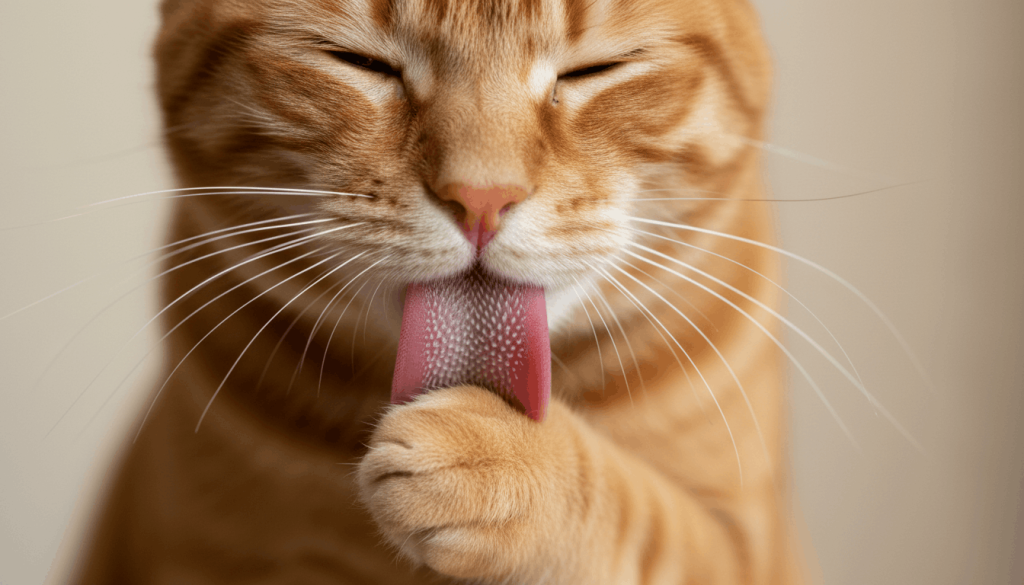
Cats explore the world through smell, taste, and touch. Their grooming behavior also increases risk, as substances on fur may be ingested later.
Factors that increase vulnerability include:
- Smaller body size and sensitive metabolism
- Limited ability to process certain compounds
- Curious play behavior with small or dangling objects
- Grooming that transfers toxins from surfaces to mouth
Quick Tip Box – When to Be Concerned:
- Sudden vomiting, drooling, or lethargy
- Unusual hiding or behavioral changes
- Difficulty breathing or coordination issues
- Changes in appetite after exposure to new items
Toxic Plants Commonly Found Indoors

Many popular houseplants can cause irritation or more serious reactions in cats:
- Lilies: Extremely toxic; even small exposure may affect kidney function
- Pothos and philodendron: Can cause mouth and digestive irritation
- Aloe vera: May trigger vomiting and lethargy
- Snake plant: Can lead to nausea and oral discomfort
- Peace lily: Causes irritation of mouth and throat
Quick Tip Box – Plant Safety:
- Research plants before bringing them home
- Place potentially harmful plants out of reach
- Opt for cat-safe alternatives such as spider plants
- Monitor chewing or nibbling behavior
Human Foods That Pose Risks

Foods safe for humans may be unsafe for cats due to differences in metabolism:
- Chocolate and caffeine: Can affect nervous and cardiovascular systems
- Onions and garlic: May impact red blood cells
- Grapes and raisins: Linked to kidney stress
- Alcohol and raw dough: Can cause neurological and digestive issues
- Dairy products: Often lead to digestive upset due to lactose sensitivity
Quick Tip Box – Feeding Safety:
- Avoid table scraps unless specifically safe for cats
- Secure trash bins and food storage
- Educate household members on unsafe foods
- Maintain consistent, cat-appropriate feeding routines
Everyday Household Items to Watch

Small or common items can pose choking, toxicity, or injury risks:
- String, yarn, and ribbons: Risk of intestinal blockage if swallowed
- Rubber bands and hair ties: Easily ingested during play
- Cleaning products: Residues may be toxic when licked
- Medications: Human medicines can be harmful even in small amounts
- Essential oils: Some may cause respiratory or neurological irritation
Quick Tip Box – Safe Home Habits:
- Store small items in closed containers
- Use pet-safe cleaning products when possible
- Keep medications securely stored
- Supervise play with interactive toys
Creating a Cat-Safe Home Environment
Preventive steps help reduce everyday risks:
- Regularly inspect floors and surfaces for small objects
- Designate cat-safe zones free of hazards
- Secure windows, balconies, and cords
- Rotate toys and remove damaged items promptly
A proactive approach to safety supports confidence, comfort, and long-term health.

References
- Gwaltney-Brant, S. (2012). Household toxicoses in cats. Veterinary Clinics of North America: Small Animal Practice, 42(2), 357–375.
- Peterson, M. E., & Talcott, P. A. (2013). Small Animal Toxicology. Elsevier.
- Khan, S. A., et al. (2015). Plant-associated toxicoses in cats. Journal of Feline Medicine and Surgery, 17(8), 689–699.
- Overall, K. L. (2013). Manual of Clinical Behavioral Medicine for Dogs and Cats. Elsevier.
Conclusion
Household hazards can pose hidden risks to cats, but awareness and prevention go a long way in maintaining safety. By identifying toxic plants, avoiding unsafe foods, securing small objects, and maintaining a cat-friendly environment, owners can reduce accidental exposure and support long-term wellbeing. Thoughtful home management helps cats explore their surroundings safely and confidently.