Joint Stiffness in Dogs: Early Signs, Causes, and Daily Mobility Support
Written by MyCern Research & Editorial Team
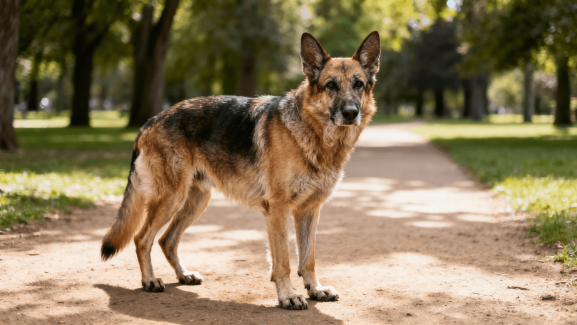
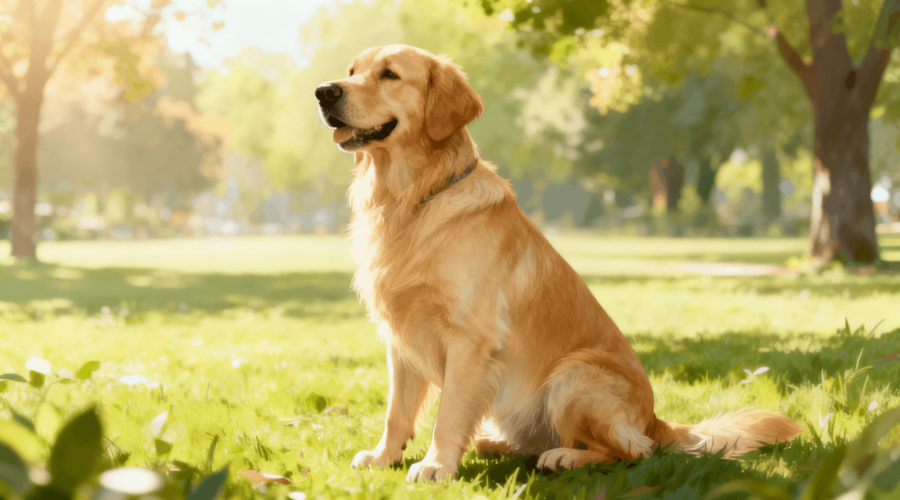
Joint stiffness is a common concern for dogs as they age, but it isn’t limited to senior years. From large-breed puppies with rapid growth to active adults and aging companions, joint health plays a central role in comfort, movement, and overall quality of life. Understanding why stiffness develops—and how daily habits can support mobility—helps pet owners take a proactive, science-informed approach to long-term joint wellness.
This article explores:
- Early signs of joint stiffness in dogs
- Common causes, including hip dysplasia and arthritis
- Why large breeds face higher joint risks
- How aging affects joint structure and function
- Daily nutrition and lifestyle habits that support mobility
Recognizing Early Signs of Joint Stiffness
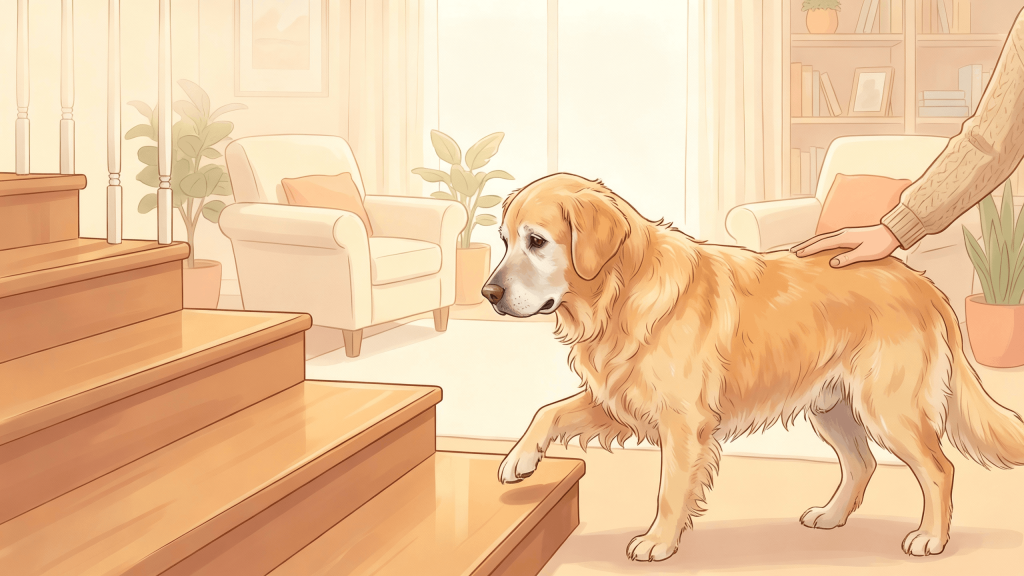
Dogs often adapt quietly to discomfort, making early signs easy to miss. Subtle changes in movement or behavior may be the first indicators of joint stress.
Early signs to watch for:
- Slower rising from rest or lying positions
- Hesitation when climbing stairs or jumping
- Reduced interest in long walks or play
- Stiffness that improves after gentle movement
Quick Tips Box – Observation Matters:
- Compare movement after rest vs. after activity
- Watch for changes in gait or posture
- Note reluctance with previously easy activities
- Track changes consistently over time
Common Causes of Joint Stiffness in Dogs
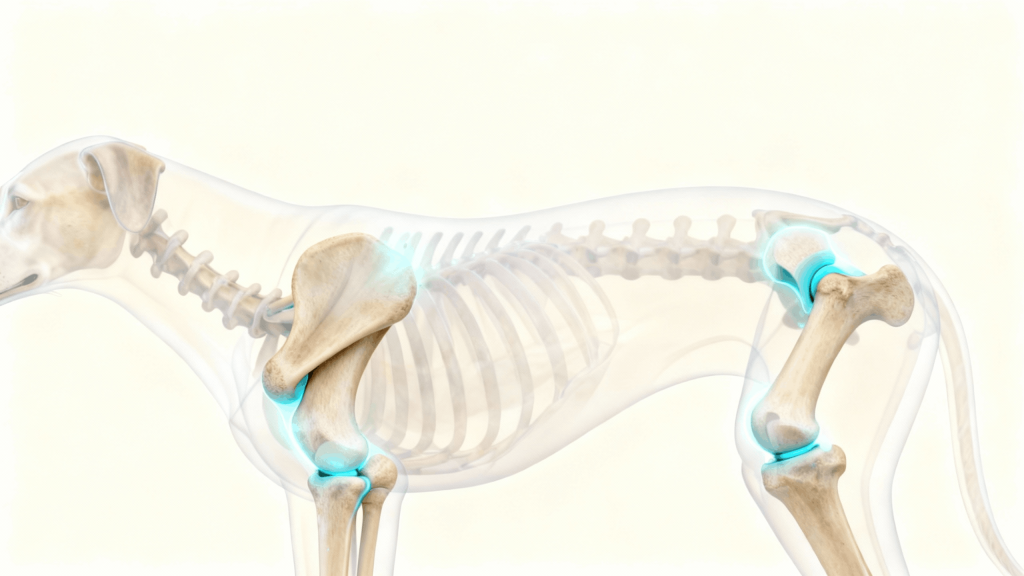
Joint stiffness usually develops from structural changes within the joint rather than sudden injury alone.
Hip Dysplasia
Hip dysplasia is a developmental condition where the hip joint does not fit properly into the socket. Over time, this abnormal alignment increases joint wear.
- More common in large and giant breeds
- Can appear early but worsen with age
- Leads to instability and cartilage breakdown
Arthritis and Degenerative Joint Changes
Arthritis involves gradual degeneration of cartilage and changes in joint fluid:
- Reduced cushioning between bones
- Increased friction during movement
- Stiffness that is often worse after rest
Aging Joints
As dogs age, joints naturally experience:
- Decreased cartilage elasticity
- Reduced joint fluid quality
- Slower tissue repair
These changes make joints less resilient to daily stress.
Why Large Breeds Are at Higher Risk

Large and fast-growing breeds place greater mechanical stress on their joints.
Contributing factors include:
- Higher body weight loading joints
- Rapid growth during puppyhood
- Genetic predisposition in certain breeds
Quick Tips Box – Supporting Large-Breed Joints Early:
- Avoid excessive high-impact exercise in puppies
- Maintain lean body condition
- Encourage controlled, low-impact movement
- Support consistent growth rather than rapid weight gain
What Happens Inside a Stiff Joint?
Joint stiffness reflects internal changes at the tissue level:
- Cartilage thinning reduces shock absorption
- Synovial fluid becomes less effective at lubrication
- Low-grade inflammation alters joint comfort
Understanding these mechanisms highlights why daily support matters even before visible mobility loss occurs.
Mobility Nutrition: Supporting Joints from Within

Nutrition plays a foundational role in maintaining joint structure and function.
Key nutritional components involved in joint health:
- Structural nutrients that support cartilage integrity
- Fatty acids that help maintain balanced inflammatory responses
- Antioxidants that support joint tissue resilience
Rather than acting as quick fixes, these nutrients support the body’s natural maintenance processes over time.
Quick Tips Box – Feeding for Mobility:
- Maintain a healthy body weight to reduce joint load
- Ensure balanced, complete nutrition
- Support hydration for joint lubrication
- Avoid overfeeding, especially in large breeds
Daily Movement and Lifestyle Support
Consistent, appropriate activity keeps joints functional without overloading them.
Helpful daily habits include:
- Regular, low-impact walks
- Gentle play rather than sudden sprinting
- Warm-up movement before intense activity
- Comfortable, supportive bedding
Environmental adjustments such as non-slip flooring and accessible resting areas also help reduce joint strain.
References
- Johnston, S. A. (1997). Osteoarthritis: Joint anatomy, physiology, and pathobiology. Veterinary Clinics of North America: Small Animal Practice, 27(4), 699–723.
- Anderson, K. L., & O’Neill, D. G. (2018). Prevalence and risk factors for canine hip dysplasia. Journal of Small Animal Practice, 59(9), 560–566.
- McGowan, C. M., et al. (2007). The influence of body weight on osteoarthritis development in dogs. Journal of Veterinary Internal Medicine, 21(6), 1347–1354.
- Lascelles, B. D. X., et al. (2010). Degenerative joint disease in dogs: Clinical signs and management. Veterinary Journal, 185(1), 3–8.
Conclusion
Joint stiffness in dogs often develops gradually, influenced by genetics, body size, aging, and daily wear on the joints. By recognizing early signs and supporting mobility through balanced nutrition, appropriate movement, and thoughtful lifestyle choices, pet owners can help maintain comfort and function throughout a dog’s life. A long-term, proactive approach to joint wellness supports not just movement—but overall vitality and wellbeing.