Why Some Dogs Age Faster Than Others: Genetics, Size, and Lifestyle Explained
Written by MyCern Research & Editorial Team
Have you ever wondered why a seven-year-old Great Dane may already show signs of aging while a twelve-year-old Terrier is still eager to play? Aging in dogs doesn’t follow a single timeline. Instead, it’s shaped by a complex interaction between genetics, body size, metabolism, and daily lifestyle factors.
Understanding why some dogs age faster than others helps pet owners set realistic expectations, recognize early changes, and support long-term vitality through informed care, not guesswork.
This article explores:
- Why size and breed influence aging speed
- The role of genetics and metabolism in canine longevity
- How lifestyle and environment affect biological aging
- Early signs that aging may be accelerating
- Practical ways to support healthy aging at every life stage
Aging in Dogs: A Biological Process, Not Just a Number
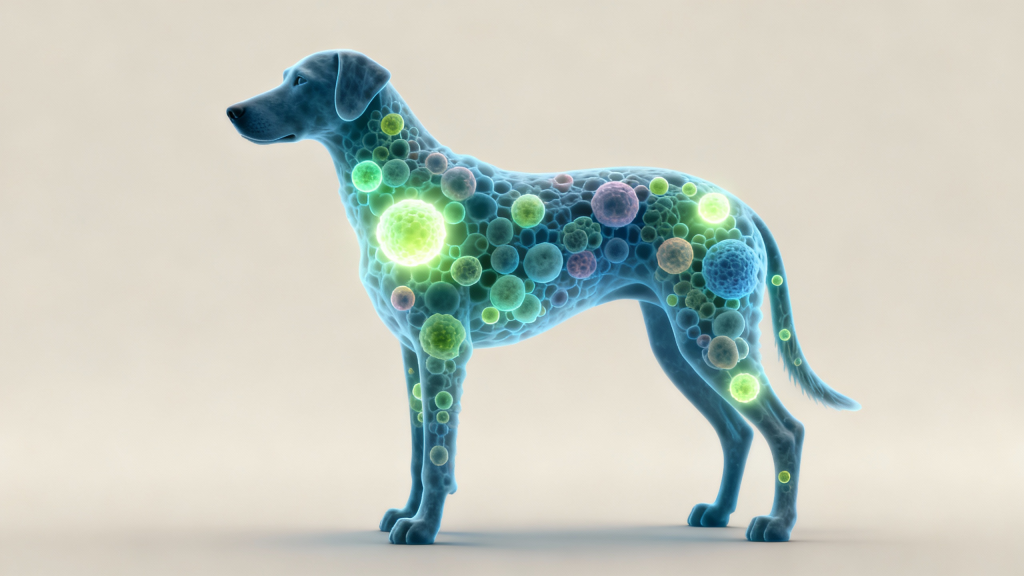
Chronological age (years lived) doesn’t always match biological age, how a dog’s body is functioning at the cellular level. Some dogs remain resilient and energetic well into their later years, while others experience earlier declines in mobility, cognition, or immunity.
Biological aging is influenced by:
- Cellular turnover and repair efficiency
- Oxidative stress levels
- Hormonal and metabolic regulation
- Inflammatory load over time
These processes begin early in life and accumulate gradually, shaping how quickly a dog appears to “age.”
Size Matters: Why Large Dogs Tend to Age Faster
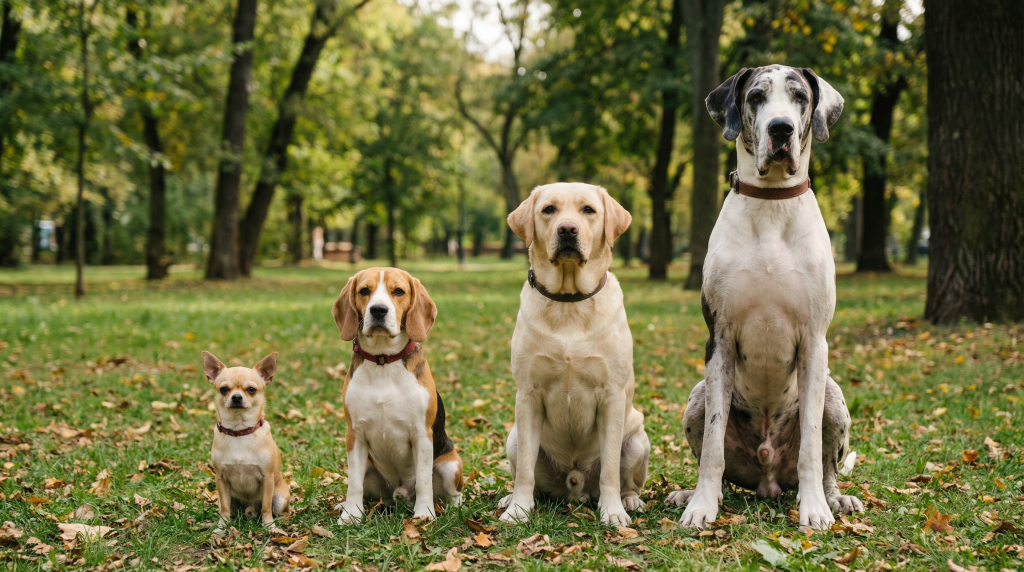
One of the most consistent findings in veterinary research is the inverse relationship between body size and lifespan.
Large and giant breeds generally age faster because:
- They grow rapidly, placing early strain on cells and tissues
- Faster growth increases oxidative and metabolic stress
- Joint and cardiovascular systems carry greater physical loads
- Cellular replication occurs more frequently, increasing wear over time
Small and medium dogs grow more slowly, allowing cellular repair systems to keep pace longer.
Quick Tip Box – Typical Aging Patterns by Size:
- Small breeds: Slower aging, longer lifespan
- Medium breeds: Balanced growth and aging
- Large/giant breeds: Faster maturation and earlier senior changes
Genetics: The Blueprint for Aging Speed
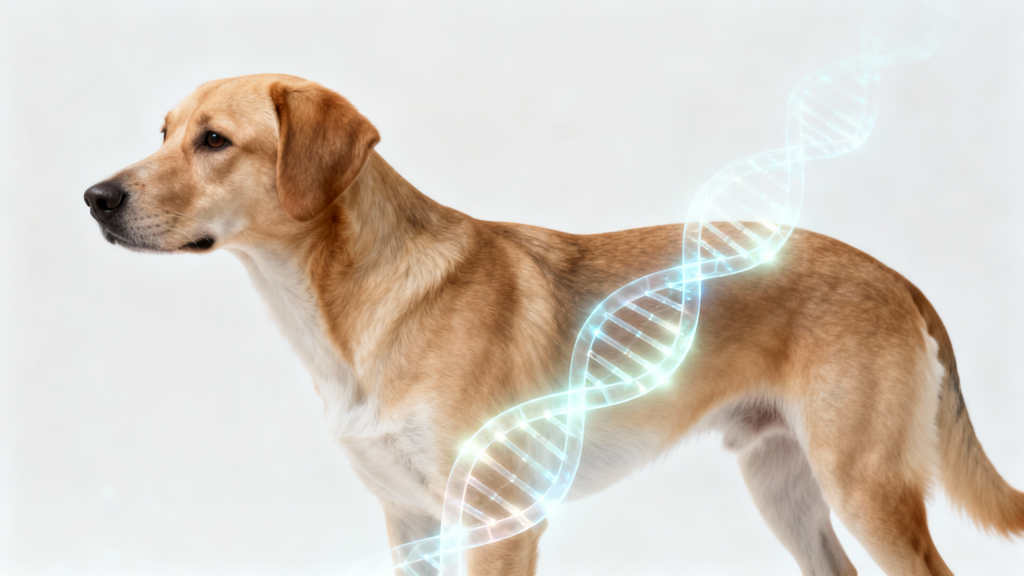
Genetics influence how efficiently a dog’s body handles stress, repairs tissue, and regulates inflammation. Breed-specific genetic traits may affect:
- Joint structure and cartilage resilience
- Heart size and function
- Antioxidant enzyme activity
- Immune system responsiveness
Some breeds are genetically predisposed to earlier onset of age-related conditions, while others benefit from protective genetic traits that support longevity.
Importantly, genetics set the baseline but lifestyle determines how strongly those genes are expressed.
Metabolism and Energy Turnover
Metabolic rate plays a central role in aging. Dogs with faster metabolisms tend to produce more free radicals as a byproduct of energy production.
Over time, this can:
- Increase oxidative stress
- Challenge cellular repair mechanisms
- Accelerate tissue wear
This is one reason why growth speed and metabolic demand during early life can influence how quickly aging processes appear later on.
Lifestyle: The Most Modifiable Aging Factor

While genetics and size can’t be changed, daily lifestyle choices significantly influence how aging unfolds.
Nutrition
Balanced nutrition supports cellular repair, immune regulation, and metabolic efficiency. Overfeeding or poor-quality diets may increase inflammatory load and metabolic stress.
Physical Activity
Consistent, age-appropriate movement helps maintain:
- Muscle mass
- Joint lubrication
- Cardiovascular efficiency
Both inactivity and excessive strain can accelerate aging in different ways.
Sleep and Recovery
Sleep is when cellular repair and hormonal regulation occur. Poor sleep quality may increase stress hormones and reduce recovery efficiency.
Mental Engagement
Cognitive stimulation supports brain health and stress resilience, especially as dogs age.
Early Signs a Dog May Be Aging Faster
Subtle changes often appear before obvious “senior” labels apply.
Watch for:
- Reduced stamina or slower recovery after activity
- Increased stiffness after rest
- Changes in sleep patterns or behavior
- Shifts in appetite or weight regulation
Early awareness allows for proactive adjustments rather than reactive care.
Supporting Healthy Aging at Any Size
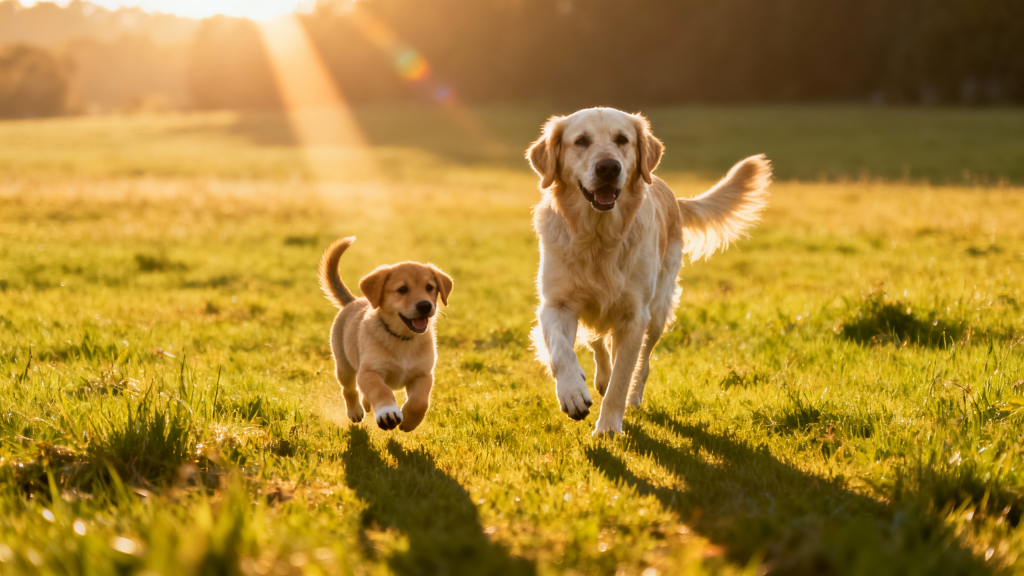
Healthy aging isn’t about slowing time, it’s about supporting the body’s ability to adapt.
Foundational strategies include:
- Maintaining a stable, healthy body weight
- Supporting joint comfort and mobility
- Encouraging regular, low-impact activity
- Reducing chronic stress through routine and environment
- Providing mental enrichment throughout life
Consistency matters more than intensity, especially for large and giant breeds.
When Aging Changes Need Veterinary Attention
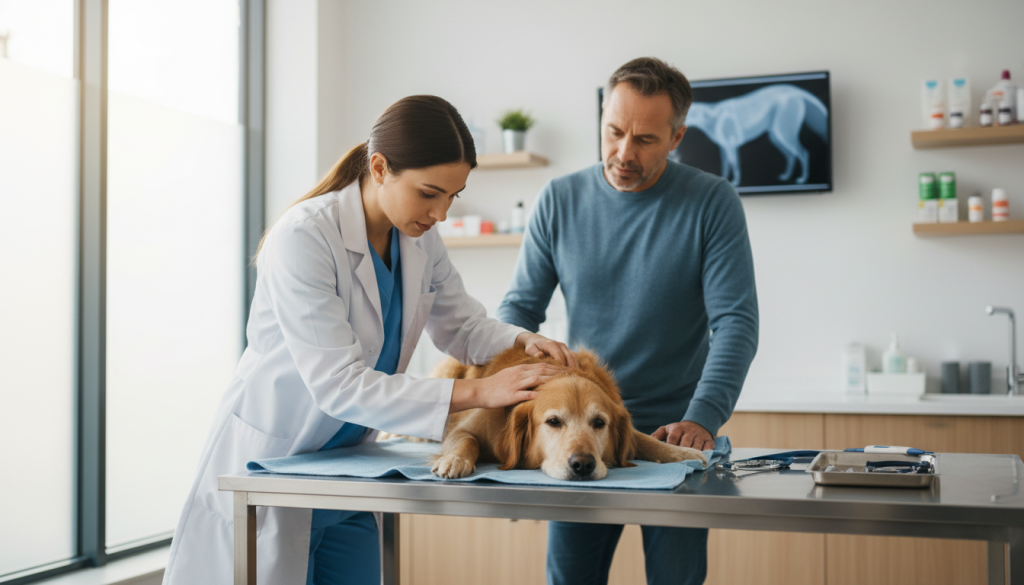
While gradual change is normal, sudden or severe shifts should be evaluated.
Red Flags:
- Rapid mobility decline
- Unexplained weight loss or gain
- Persistent fatigue
- Cognitive confusion or disorientation
These may indicate underlying issues beyond normal aging trajectories.
References
- Greer, K. A., et al. (2007). The relationship between body size and lifespan in domestic dogs. American Naturalist, 170(2), 241–253.
- Jimenez, A. G. (2016). Physiological underpinnings of lifespan variation in dogs. Journal of Experimental Biology, 219(1), 57–65.
- Kraus, C., et al. (2013). Impact of growth rate and metabolism on aging. Mechanisms of Ageing and Development, 134(7–8), 324–329.
- Day, M. J. (2010). Ageing, immunosenescence and inflammageing in the dog. Journal of Comparative Pathology, 142(S1), S60–S69.
Conclusion
Dogs don’t age at the same pace and that’s not a flaw, it’s biology. Size, genetics, and metabolism shape the aging timeline, while lifestyle determines how smoothly a dog moves along it. By understanding these factors, pet owners can better support comfort, vitality, and quality of life at every stage.
Healthy aging isn’t about extending years at all costs, it’s about supporting resilience, function, and wellbeing throughout the years your dog has.