Why Litter Texture Matters More Than Scent for Cat Comfort
Written by MyCern Research & Editorial Team
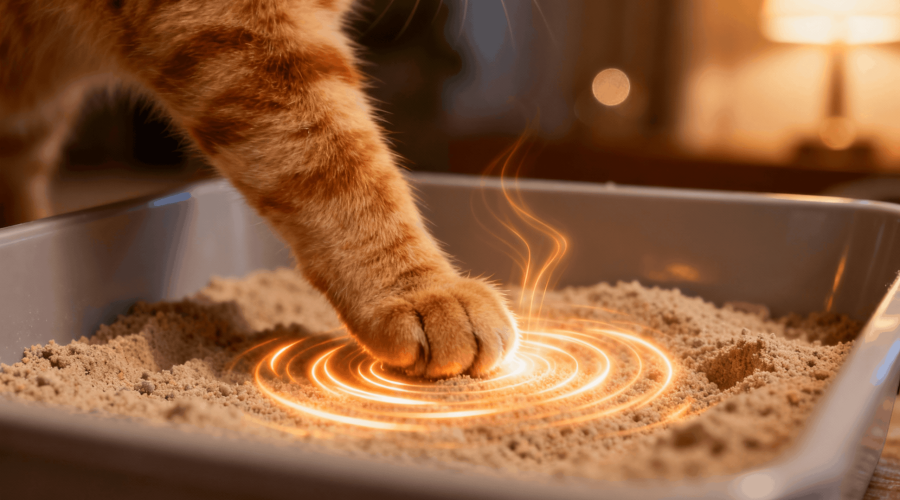
When litter box issues arise, scent is often blamed. However, for cats, tactile sensation under the paws is far more influential than fragrance. Litter texture interacts directly with feline sensory receptors and plays a critical role in comfort, stress perception, and elimination behavior.
Ignoring texture in favor of scent overlooks how cats physically experience their environment.
This article explores:
- How cats perceive litter through touch
- Why paw sensitivity shapes litter preferences
- The neurological basis of texture aversion
- How discomfort alters elimination behavior
- Why scent masking often backfires
The Sensory Role of the Feline Paw
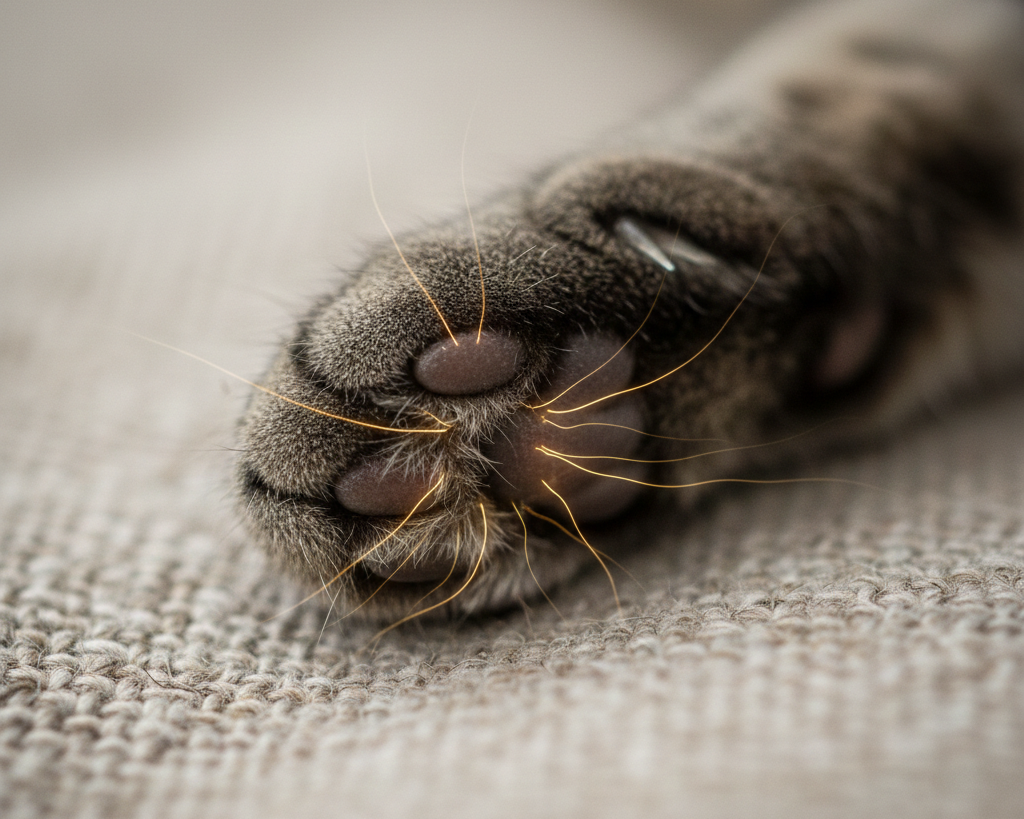
Cats’ paws contain dense networks of mechanoreceptors that detect pressure, vibration, and surface irregularity. These receptors are essential for hunting, balance, and environmental assessment.
When a cat steps into a litter box, the first evaluation is tactile, not olfactory.
Texture as a Safety Signal
Fine, sand-like textures resemble natural substrates cats evolved to use for elimination. Coarse, sharp, or unstable textures may activate avoidance pathways linked to discomfort or perceived vulnerability.
This response is instinctive and protective, not behavioral stubbornness.
Why Scent Is Secondary and Often Stressful
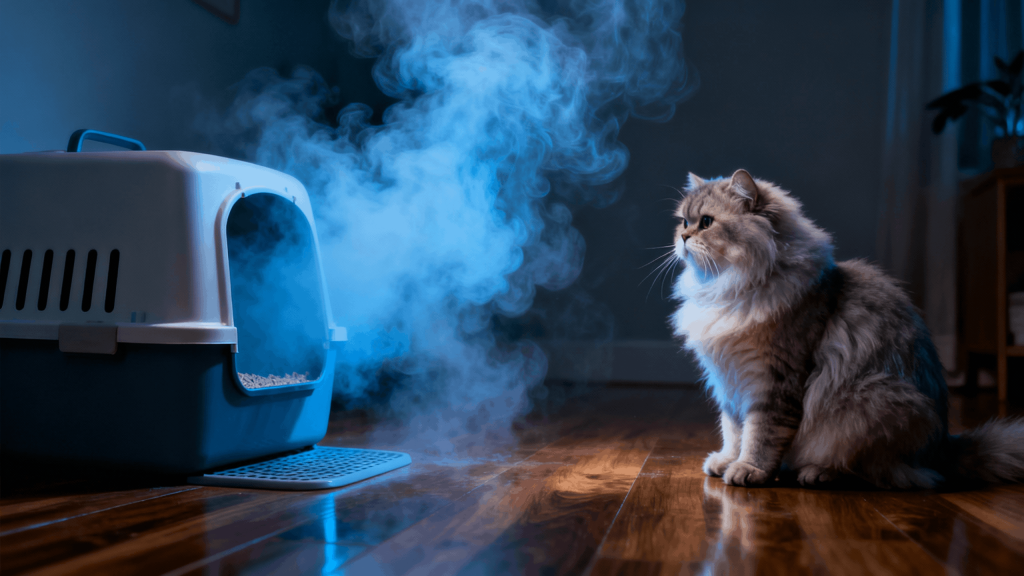
Artificial fragrances are primarily designed for human odor detection. To cats, these scents may overwhelm the olfactory system and introduce uncertainty rather than reassurance.
Strong scents can interfere with territorial scent marking and may increase stress rather than improve acceptance.
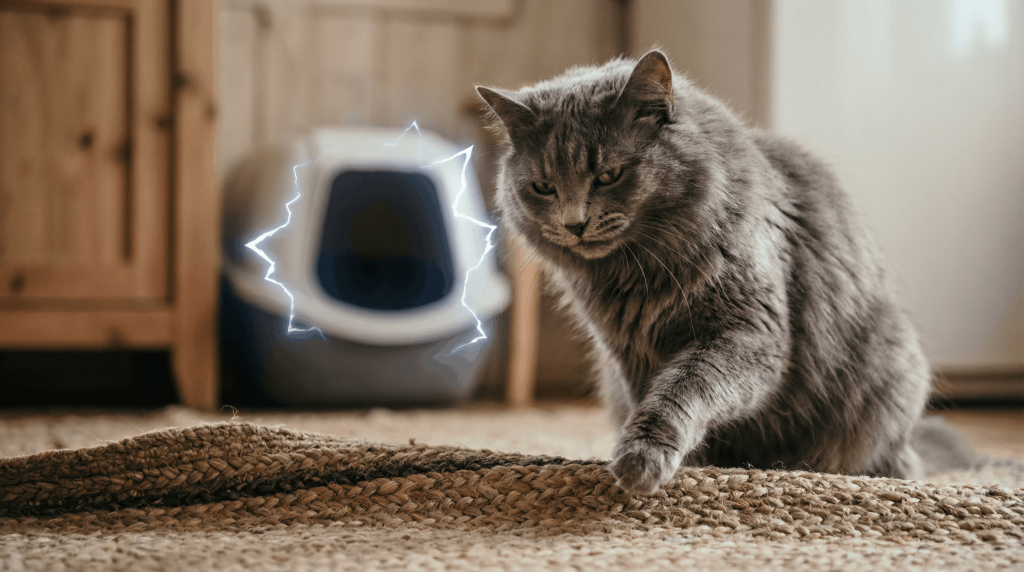
Texture Aversion and Behavioral Consequences
When litter texture is uncomfortable, cats may:
- Avoid the litter box entirely
- Eliminate quickly without covering
- Seek alternative surfaces that feel safer
These behaviors are often misinterpreted as defiance rather than sensory avoidance.
Individual Sensitivity and Age Factors
Kittens, senior cats, and cats with joint discomfort may be especially sensitive to texture due to developing or aging sensory and musculoskeletal systems.
What feels tolerable to one cat may be aversive to another, even within the same household.
Rethinking Litter Choice Through Sensory Biology
Prioritizing texture consistency, softness, and stability aligns with feline physiology. Comfort-based choices often reduce stress-related elimination issues more effectively than scented products.
Conclusion
For cats, litter texture is a direct sensory experience that influences comfort, safety perception, and behavior. Understanding litter preferences through the lens of tactile physiology not human convenience, supports better welfare and more harmonious living environments.
References
- Neilson, J. C. (2003). Feline house-soiling: Elimination and marking behaviors. Veterinary Clinics of North America: Small Animal Practice, 33(2), 451–465.
- Horwitz, D. F., & Mills, D. S. (2009). BSAVA manual of canine and feline behavioural medicine. BSAVA.
- Ellis, S. L. H., et al. (2013). Environmental enrichment for cats. Journal of Feline Medicine and Surgery, 15(3), 219–230.
- McGowan, R. T. S., et al. (2015). Positive affect and behavior in domestic cats. Applied Animal Behaviour Science, 172, 81–90.