
Why Some Dogs Have More Endurance Than Others: The Science Behind Canine Muscle Types
Written by MyCern Research & Editorial Team
Have you ever noticed how some dogs can trot alongside you for miles while others tire after a short burst of play? This difference isn’t just about motivation or personality, it’s rooted in muscle physiology. Dogs, like humans, have different muscle fiber types that influence endurance, speed, and recovery. Breed genetics, training style, and daily habits all interact with muscle composition to shape a dog’s stamina.
Understanding how canine muscles work helps owners support activity levels in a way that promotes performance, comfort, and long-term health.
This article explores:
- The two main muscle fiber types in dogs
- How genetics and breed influence endurance
- Why some dogs excel at stamina while others at power
- How training and lifestyle shape muscle adaptation
- Practical ways to support endurance safely
The Basics: Muscle Fiber Types Explained
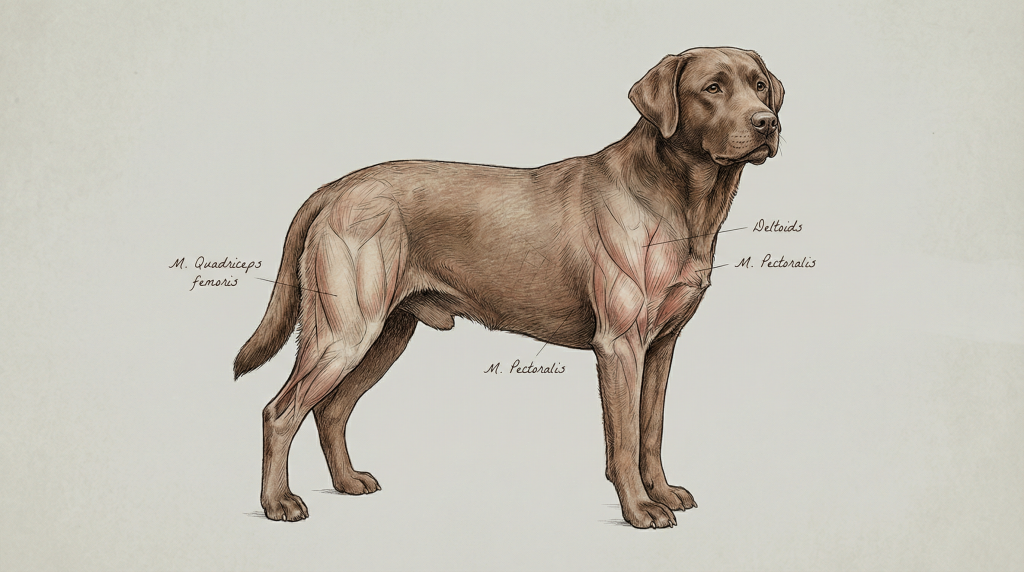
Skeletal muscle is made up of different fiber types, each designed for specific tasks.
Type I Fibers (Slow-Twitch)
- Optimized for endurance and efficiency
- Use oxygen efficiently for sustained activity
- Fatigue slowly
- Common in dogs bred for long-distance work
Type II Fibers (Fast-Twitch)
- Built for power and speed
- Generate quick, forceful movements
- Fatigue more rapidly
- Predominant in sprinting and explosive breeds
Most dogs have a mix of both, but the ratio varies.
Breed Genetics and Endurance

Selective breeding has shaped muscle composition:
| Breed Type | Muscle Bias | Typical Strength |
|---|---|---|
| Sled & herding dogs | Higher Type I | Sustained endurance |
| Sporting dogs | Balanced mix | Versatile stamina |
| Sighthounds | Higher Type II | Speed & acceleration |
| Companion breeds | Variable | Moderate activity tolerance |
Dogs with more slow-twitch fibers are naturally better suited for hiking, tracking, or long workdays, while fast-twitch–dominant dogs shine in short, intense efforts.
How Energy Systems Affect Stamina
Muscle fibers rely on different energy pathways:
- Aerobic metabolism: Fuels slow-twitch fibers using oxygen and fats
- Anaerobic metabolism: Powers fast-twitch fibers using stored carbohydrates
Endurance-heavy activity depends on aerobic efficiency, while repeated sprints strain anaerobic systems and require longer recovery.
Can Training Change Muscle Type?

While genetics set the foundation, training influences how muscles perform:
- Consistent low-to-moderate activity improves aerobic capacity
- Gradual endurance training increases mitochondrial density
- Excessive high-intensity work without recovery increases fatigue risk
Muscle fibers don’t fully “switch types,” but their efficiency and fatigue resistance improve with appropriate training.
Quick Tip Box – Endurance-Friendly Training Habits:
- Build duration before intensity
- Use varied terrain to recruit stabilizing muscles
- Allow rest days for muscle adaptation
- Watch breathing rate as a sign of fatigue
Muscle Endurance, Joints, and Longevity
Muscle stamina supports joint health by:
- Reducing load on ligaments
- Improving movement efficiency
- Supporting posture and balance
Dogs with poor endurance may compensate with inefficient movement, increasing joint strain over time.
Nutrition’s Role in Canine Endurance

Muscle performance depends on fuel and repair:
- Protein quality: Supports muscle maintenance
- Healthy fats: Fuel aerobic metabolism
- Micronutrients: Support oxygen delivery and muscle contraction
- Hydration: Maintains circulation and temperature regulation
Feeding patterns should match activity level to avoid energy crashes or weight gain.
The Mental Side of Endurance
Stamina isn’t purely physical:
- Focus and motivation influence sustained activity
- Stress or overstimulation can shorten endurance
- Calm, predictable routines support consistent performance
Mental fatigue often precedes physical exhaustion.
When Low Endurance Signals a Problem
Consult a veterinarian if your dog shows:
- Sudden decrease in stamina
- Exercise intolerance without clear cause
- Prolonged recovery after mild activity
- Limping, coughing, or excessive panting
These may indicate underlying medical or metabolic concerns.

References
- Snow, D. H., & Guy, P. S. (1980). Muscle fiber type composition in dogs. Journal of Physiology, 302, 59–73.
- Millis, D., & Levine, D. (2013). Canine rehabilitation and physical therapy. Elsevier Health Sciences.
- McGowan, C. M., et al. (2019). Adaptations to endurance training in working dogs. Veterinary Journal, 247, 1–7.
- Tipton, K. D. (2015). Muscle metabolism and endurance adaptations. Journal of Sports Sciences, 33(1), 1–10.
Conclusion
Differences in canine endurance are shaped by muscle fiber composition, genetics, training, and daily care. Some dogs are built for long, steady activity, while others thrive on short bursts of speed. By understanding these biological differences and aligning exercise, nutrition, and recovery accordingly, owners can support safe performance, reduce injury risk, and help their dogs stay active and comfortable throughout life.